
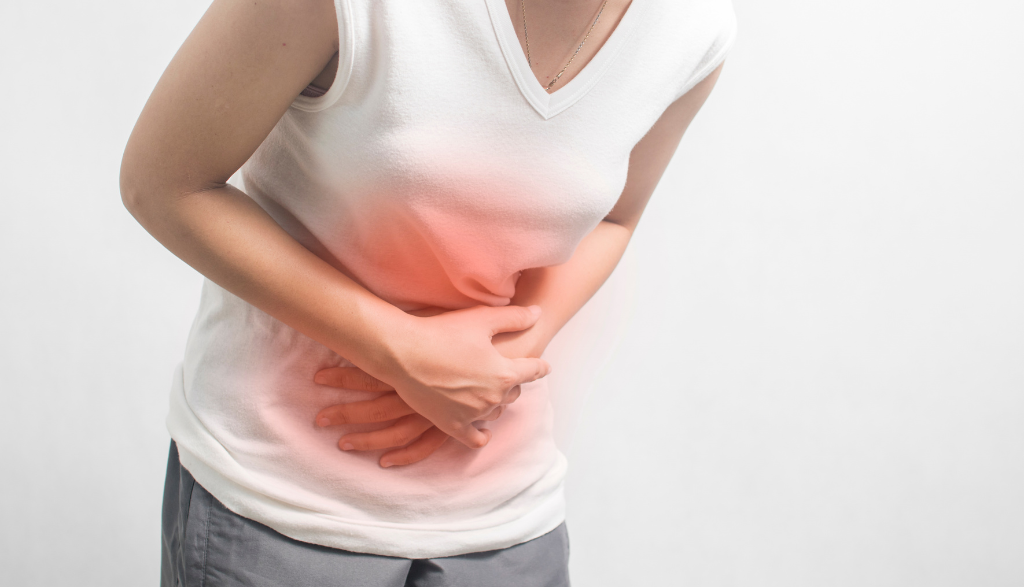

You take tirzepatide. You eat a small meal. Hours later, you still feel full. Sound familiar? That full, slow feeling is not just your imagination — it has a real biological cause. Understanding why tirzepatide slows stomach emptying helps you make sense of how the medication works, why it sometimes causes nausea, and what you should watch out for.
What Is Gastric Emptying?
Gastric emptying is simply the process of food moving from your stomach into the small intestine. After you eat, your stomach squeezes and grinds the food, then releases it slowly into the intestine, where digestion and nutrient absorption continue.
This process normally takes 2–5 hours, depending on the meal. Proteins and fats take longer. Carbohydrates move faster.
When gastric emptying is delayed — which means the stomach moves food more slowly than normal — it has a cascade of effects on the body. Some of those effects are exactly what tirzepatide is designed to produce.
Why Tirzepatide Slows Stomach Emptying
Tirzepatide activates two types of hormone receptors: GLP-1 (glucagon-like peptide-1) and GIP (glucose-dependent insulinotropic polypeptide). GLP-1 is the key driver here.
When GLP-1 receptors are activated in the gut and nervous system, they send signals that slow the movement of food through the gastrointestinal tract. Specifically, GLP-1 slows the rate at which the stomach empties into the small intestine — a process called gastric emptying delay.
This is why tirzepatide slows stomach emptying — it directly mimics the action of a hormone your body naturally uses to regulate digestion. The drug essentially tells your stomach to take its time.
GIP, tirzepatide’s other target receptor, does not appear to have a direct effect on gastric emptying on its own. But by combining both, tirzepatide amplifies the overall metabolic effect.
What Happens When the Stomach Empties Slowly?
Slowing gastric emptying creates several effects — some very intentional, some requiring monitoring:
Benefits
1. Better blood sugar control
When food moves slowly from the stomach to the intestine, glucose enters the bloodstream more gradually. This prevents the sharp post-meal blood sugar spikes that are harmful in people with Type 2 diabetes or insulin resistance. Research published in the Journal of Clinical Endocrinology & Metabolism confirmed that this mechanism is one reason GLP-1-based therapies are so effective at lowering blood sugar.
2. Feeling full faster — and longer
As the stomach fills, stretch receptors send fullness signals to the brain. When food stays in the stomach longer, those signals last longer. You feel satisfied with a smaller meal. This is a central reason why tirzepatide helps reduce calorie intake and drive weight loss.
3. Reduced triglyceride absorption
Slowing gastric emptying also slows how quickly dietary fats (triglycerides) and fat-carrying particles (chylomicrons) enter the bloodstream after eating. This contributes to tirzepatide’s favorable effects on cholesterol and fat metabolism.
Side Effects to Watch
Nausea and vomiting: This is the most common side effect. When the stomach holds food longer than usual, nausea can follow — especially in the early weeks of treatment or after a dose increase. It is usually most intense after the first dose and tends to improve over time.
Constipation and bloating: Slowed gut motility can cause constipation or a feeling of fullness and discomfort.
Risk before surgery or procedures: If food is still sitting in the stomach when someone undergoes general anesthesia or an endoscopy, it creates a risk of aspiration (inhaling stomach contents into the lungs). Patients and their surgical teams need to be aware of this and plan accordingly — typically by pausing tirzepatide before elective procedures.
Interaction with oral medications: If food moves slowly through the stomach, oral medications may also be absorbed more slowly or less consistently. This is especially relevant for oral hormonal contraceptives, which have been shown in research to have reduced peak concentration when taken alongside tirzepatide.
Does the Effect Last? The Concept of Tachyphylaxis
Here is something fascinating: the gastric emptying effect of tirzepatide is strongest after the first dose, then it gradually diminishes with repeated use. This is called tachyphylaxis — the body adapts and becomes less sensitive to the effect over time.
A study published in Diabetes, Obesity and Metabolism compared tirzepatide to other GLP-1 receptor agonists. It found that tirzepatide delayed gastric emptying significantly after a single dose. After four weeks of treatment, that effect was largely reduced — though some residual slowing remained at higher doses in people with Type 2 diabetes.
This has an important practical meaning: the nausea many patients experience early in treatment often improves after the first several weeks. The glucose-lowering and weight-loss benefits continue, however, because those effects work through different mechanisms beyond just gastric emptying.
How This Helps With Weight Loss
Understanding the stomach-emptying effect makes tirzepatide’s weight-loss mechanism clearer. The slowdown in gastric emptying contributes to weight loss in two major ways:
- Reduced calorie intake — Staying full longer means eating less, naturally and without constant willpower effort.
- Lower post-meal blood sugar — Lower glucose spikes mean less insulin release, which reduces fat storage signals.
Tirzepatide’s dual GLP-1/GIP action amplifies these effects further through appetite signaling in the brain and improved fat metabolism — making it more effective at driving weight loss than GLP-1-only medications.
This is exactly why tirzepatide slows stomach emptying in the first place: it is a feature of the medication’s design, not an accident.
Practical Tips for Managing Digestive Side Effects
If you are on tirzepatide and experiencing GI discomfort, these steps can help:
- Eat smaller meals — Large meals intensify the fullness and nausea from delayed gastric emptying.
- Eat slowly — Give your stomach time to signal fullness
- Avoid high-fat, greasy meals — These empty from the stomach very slowly on their own, making the effect worse
- Stay hydrated — Sip water throughout the day rather than drinking large amounts at once.
- Take your dose at night if nausea is a problem — some people tolerate it better when sleeping through early side effects.
- Discuss with your doctor before any scheduled surgery or procedure.
A Patient Experience: Making Sense of the “Full Feeling”
Rachel (a composite patient profile based on common clinical experiences) was three weeks into her tirzepatide program when she noticed she was only getting through half of her usual lunch before feeling completely full. It felt odd to her at first — almost uncomfortable.
Her physician explained the gastric emptying mechanism. That conversation changed everything. Instead of fighting the feeling, Rachel started choosing smaller, more nutrient-dense meals. She lost 11 pounds in the first two months with very little effort to reduce her intake — the medication was doing the work biologically.
Supervised Treatment for a Smoother Experience
Digestive side effects are one of the most common reasons people reduce their tirzepatide dose or stop entirely. But with proper medical guidance, most patients learn to manage them effectively — and stay on track toward their goals.
TirzepatideRX Online connects patients with licensed physicians who supervise every step of treatment, including navigating early side effects like nausea and helping adjust meal patterns for the best experience.
The program is available in three plans to suit different needs. The Monthly Plan at $399/month includes once-weekly tirzepatide, health monitoring, and flexible month-to-month enrollment. The 3-Month Plan at $1,125 total provides a complete medication supply, quarterly assessments, and priority medical access — ideal for building steady momentum. The 6-Month Plan at $2,199 total delivers the best value with bi-monthly physician check-ins, premium support, and personalized nutritional coaching to help manage diet adjustments alongside treatment.
Ready to get started? Begin your consultation here with a physician who will guide you every step of the way.
For more articles on how tirzepatide works, visit our blog.
Conclusion
Understanding why tirzepatide slows stomach emptying gives you a clearer picture of both its benefits and its challenges. The delayed gastric emptying is a core mechanism behind reduced appetite, better blood sugar control, and weight loss. Over time, the initial nausea typically lessens while the metabolic benefits continue.
With the right support, this mechanism becomes an asset rather than an obstacle. Knowing why tirzepatide slows stomach emptying — and how to work with it — makes the entire treatment experience more manageable and more effective.
Frequently Asked Questions
Why does tirzepatide make me feel full so quickly?
Tirzepatide activates GLP-1 receptors that slow stomach emptying, keeping food in your stomach longer and triggering sustained fullness signals to your brain.
Does the nausea from tirzepatide go away?
Yes — in most patients, nausea is strongest in the first few weeks and decreases significantly as the body adapts through a process called tachyphylaxis.
Can tirzepatide cause gastroparesis?
Tirzepatide can delay gastric emptying, which mimics gastroparesis symptoms, but clinically diagnosed drug-induced gastroparesis remains rare and is not a listed label risk.
Should I stop tirzepatide before surgery?
Speak with your surgeon and prescribing physician — many recommend pausing tirzepatide before procedures that involve anesthesia, due to the risk of retained stomach contents.
Does tirzepatide affect how other medications are absorbed?
Yes — it can slow oral medication absorption. This is particularly important for oral contraceptives; your doctor should know about all medications you are taking.
Sources
- Journal of Clinical Endocrinology & Metabolism – Clinical Consequences of Delayed Gastric Emptying With GLP-1 Receptor Agonists and Tirzepatide: https://academic.oup.com/jcem/article/110/1/1/7824836
- PMC – Tirzepatide Transiently Delays Gastric Emptying Similarly to Selective Long-Acting GLP-1 RAs: https://pmc.ncbi.nlm.nih.gov/articles/PMC7539915/
- Journal of Nuclear Medicine Technology – GLP-1 Receptor Agonists: Benefits and Gastric Emptying Side Effects: https://tech.snmjournals.org/content/52/1/3
- Journal of American Pharmacists Association – Tirzepatide and Oral Hormonal Contraception: https://www.japha.org/article/S1544-3191(23)00370-9/fulltext
- FDA – Mounjaro (Tirzepatide) Prescribing Information: https://www.accessdata.fda.gov/drugsatfda_docs/label/2022/215866s000lbl.pdf