
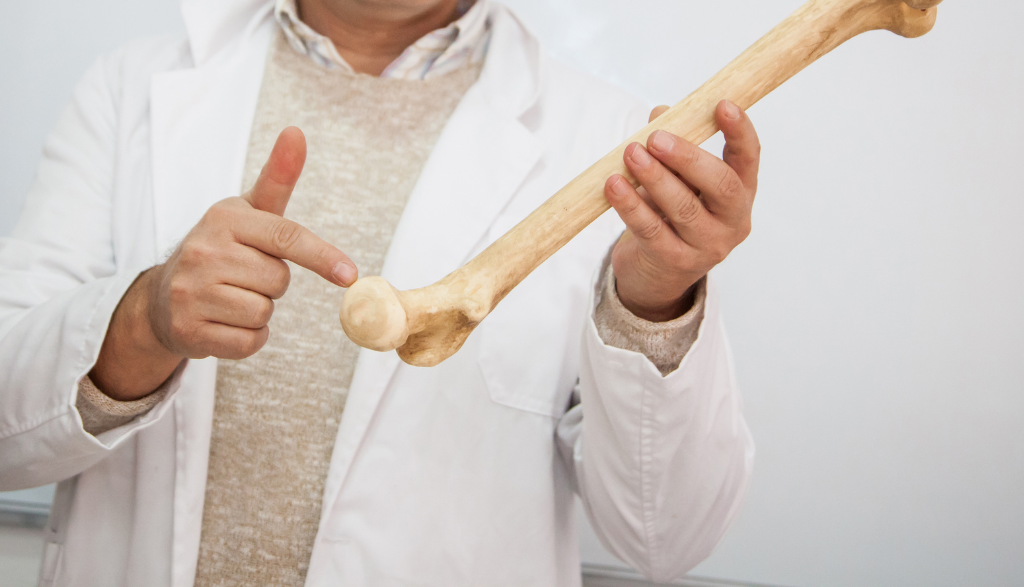

Tirzepatide is one of the most talked-about weight-loss medications today. It works by targeting two hormones — GLP-1 and GIP — to reduce appetite, lower blood sugar, and help people lose significant weight. But as more patients start using it, a key question is coming up: What does Tirzepatide and Bone Density research actually show?
This is an important question. Bone health matters at every age. And when a medication causes significant weight loss, the bones can be affected too.
Let’s break down what the science says — clearly and simply.
Why Would a Weight-Loss Drug Affect Bone Health?
Your bones are not static. They are constantly being broken down and rebuilt. This process is called bone remodeling.
When you carry more body weight, your bones experience more mechanical load. That load actually signals the body to keep bones strong. When you lose a lot of weight quickly, that pressure on the bones decreases — and bone density can drop too.
This isn’t unique to tirzepatide. It happens with other weight-loss methods as well, including bariatric surgery and other GLP-1 medications. But because tirzepatide causes some of the most significant weight loss seen in any medication, the potential impact on bones is worth studying carefully.
What the Clinical Research Shows
Studies Showing a Potential Risk
A large real-world study using the TriNetX database looked at nearly 460,000 patients. It found that people who used tirzepatide had a 44% higher risk of new-onset osteoporosis or fragility fractures compared to those using other GLP-1 medications. This was a significant finding that caught the attention of the medical community.
A separate retrospective study reviewed 255 patients who had two bone density scans during treatment with tirzepatide or semaglutide. After an average follow-up of 34 months, researchers found a meaningful decline in bone density at several sites — the lumbar spine, femoral neck, and total hip. Importantly, the more weight someone lost, the greater the drop in hip bone density.
In animal research published in PubMed Central, tirzepatide was associated with bone loss in diabetic obese mice. The mechanism appeared to involve changes in gut bacteria, specifically a drop in beneficial bacteria from the Lachnospiraceae family that normally help support bone metabolism.
Studies With More Neutral Findings
Not all research points in the same direction. A four-week animal study found that tirzepatide increased the number of bone-resorbing cells (osteoclasts) but did not significantly reduce bone mass over that short period. A short timeframe may simply not be long enough to see meaningful changes.
The FDA’s current prescribing information for Zepbound (tirzepatide for weight management) does not list bone fracture risk as an established clinical concern. Eli Lilly, the manufacturer, has stated that data from clinical trials did not meet the threshold for clinical significance related to bone fractures.
The GIP Factor: A Potential Protector?
Here is where it gets interesting. Tirzepatide activates not only GLP-1 receptors but also GIP receptors. GIP signaling may actually support bone health by promoting bone-forming cells (osteoblasts) and reducing bone-breaking cells (osteoclasts).
Here is where it gets interesting. Tirzepatide activates not only GLP-1 receptors but also GIP receptors. GIP signaling may actually support bone health by promoting bone-forming cells (osteoblasts) and reducing bone-breaking cells (osteoclasts).
Who Is Most at Risk?
Based on current research, the following groups may face higher skeletal risk while using tirzepatide:
- Older adults, especially postmenopausal women
- Patients who already have osteopenia or osteoporosis
- Those losing weight very rapidly
- Patients with Type 2 diabetes — who already face a higher fracture risk despite sometimes having normal-looking bone density scans
One study noted that patients with diabetes on tirzepatide had a fracture incidence of 20.5%, compared to 7% in those without diabetes. That is a significant gap.
A Real-World Patient Perspective
Consider a 65-year-old woman named Margaret (a composite based on common patient experiences in clinical practice). She started tirzepatide and lost 18% of her body weight over 14 months. Her doctor ordered a follow-up bone density scan — and found a small but measurable drop in her hip BMD.
Her physician adjusted her care plan. She started taking calcium and Vitamin D, added weight-bearing exercise to her routine, and began quarterly check-ins. Her bone loss stabilized.
Margaret’s story highlights something important: the medication alone is not the whole picture. Monitoring and proactive care make a real difference.
How to Protect Your Bones While Using Tirzepatide
If you are taking or considering tirzepatide, here are evidence-based steps to protect your bones:
- Get a baseline bone density scan if you have risk factors for osteoporosis
- Take adequate calcium — about 1,000–1,200 mg per day through food and/or supplements
- Ensure sufficient Vitamin D — most adults need 1,000–2,000 IU per day
- Do weight-bearing exercises — walking, resistance training, and yoga all help maintain bone strength
- Eat enough protein — protein supports both muscle and bone maintenance during weight loss
- Talk to your doctor about follow-up bone scans if you are in a high-risk group
Supervised Care Makes a Difference
This is exactly why medically supervised treatment programs are so valuable. When a physician monitors your progress regularly, they can catch early signs of bone loss and adjust your plan before it becomes a bigger problem.
TirzepatideRX Online offers a physician-supervised telehealth program that takes a full-picture approach to weight management. Rather than simply prescribing injections and stepping back, their licensed medical team provides personalized treatment plans, regular check-ins, and ongoing health monitoring — all from home.
Their program is offered in three flexible plans. The Monthly Plan at $399/month includes weekly tirzepatide injections, health monitoring, and the freedom to cancel any time. For greater value and continuity, the 3-Month Plan at $1,125 covers a full medication supply, quarterly health assessments, and priority support. Those committed to long-term results can choose the 6-Month Plan at $2,199, which adds bi-monthly check-ins, premium medical support, and personalized nutritional guidance.
If you are ready to explore this option, start your consultation here and find the plan that fits your health goals.
What Doctors Are Watching For
The medical community is paying close attention to this area. Large human clinical trials specifically designed to study bone outcomes with tirzepatide are currently underway. Until that data is available, most endocrinologists recommend individualized risk assessment — particularly for older patients and those with pre-existing bone conditions.
Patients interested in reading more on this topic can explore the blog for additional research-backed resources.
Conclusion
The relationship between Tirzepatide and Bone Density is nuanced. The medication produces powerful weight-loss results, but those results come with a need to actively monitor bone health — especially for older patients and those already at risk. The science is still developing, and long-term human trials will tell a more complete story.
What is clear right now: proactive care, proper nutrition, exercise, and medical supervision are the best tools for protecting your bones while benefiting from tirzepatide’s proven weight-loss effects. Understanding the full picture of Tirzepatide and Bone Density helps you make smarter, safer decisions about your health.
Frequently Asked Questions
Does tirzepatide cause osteoporosis?
Current FDA labeling does not list osteoporosis as an established side effect, but real-world studies suggest it may increase the risk, especially with significant weight loss.
How does weight loss from tirzepatide affect bones?
Significant weight loss reduces mechanical load on bones, which can trigger reduced bone density over time — a pattern seen with many weight-loss approaches.
Should I get a bone density scan before starting tirzepatide?
If you are over 50, postmenopausal, or have other osteoporosis risk factors, your doctor may recommend a baseline DEXA scan before starting treatment.
Can I take calcium and Vitamin D while on tirzepatide?
Yes — adequate calcium (1,000–1,200 mg/day) and Vitamin D (1,000–2,000 IU/day) are generally recommended to support bone health during weight loss.
Is tirzepatide’s effect on bones worse than other GLP-1 medications?
Some real-world studies suggest tirzepatide may carry a slightly higher bone risk than other GLP-1s, possibly because it causes greater weight loss — though research is still evolving.
Sources
- PMC – Association of Semaglutide and Tirzepatide Use on Bone Density and Fracture Risk: https://pmc.ncbi.nlm.nih.gov/articles/PMC12544599/
- PMC – Tirzepatide Promotes Bone Loss in Obese Mice via Gut Microbial Metabolites: https://pmc.ncbi.nlm.nih.gov/articles/PMC12516549/
- ScienceDirect – Tirzepatide and Risk of Osteoporosis vs Other GLP-1 RAs (TriNetX Study): https://www.sciencedirect.com/science/article/abs/pii/S0168822725010101
- MDPI Pharmaceuticals – Effects of Semaglutide and Tirzepatide on Bone Metabolism in Diabetic Mice: https://www.mdpi.com/1424-8247/17/12/1655
- Eli Lilly / Zepbound Medical Information – Bone Density and Fracture Risk Statement: https://medical.lilly.com/us/products/answers/does-zepbound-tirzepatide-affect-bone-density-and-or-increase-the-risk-of-bone-fracture-197044
- NIH – National Institute of Arthritis and Musculoskeletal and Skin Diseases – Osteoporosis Overview: https://www.niams.nih.gov/health-topics/osteoporosis