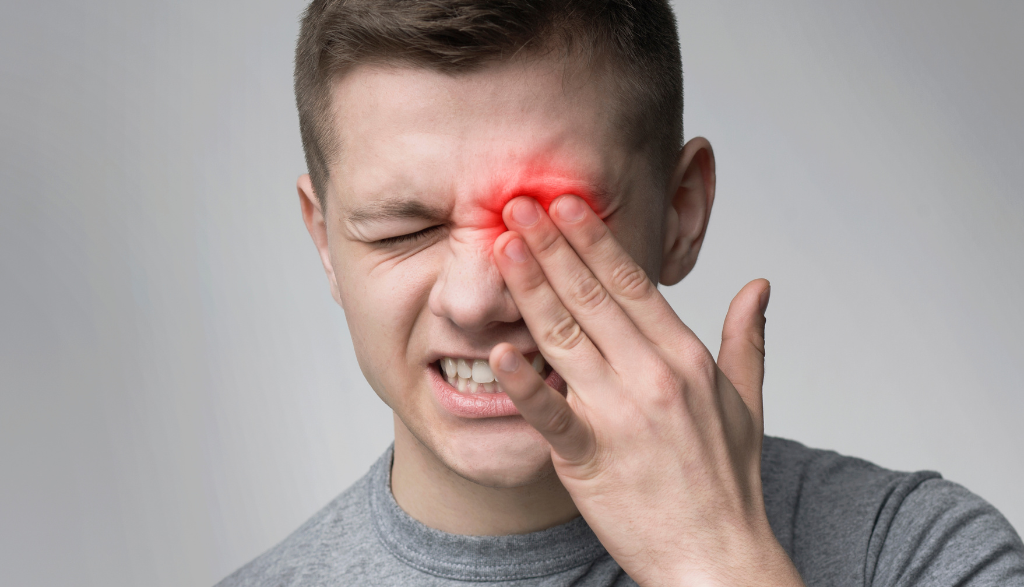

If you take tirzepatide and you have noticed a slight change in your vision — or if you have read something online that alarmed you — you are not alone. Tirzepatide and eye health is an increasingly discussed topic in both ophthalmology and metabolic medicine, especially as millions more people start using this medication.
The good news: the picture that is emerging from recent large studies is far more reassuring than many headlines suggest. But there are also some things you should genuinely know and watch for.
This article explains all of it clearly.
Why Do People Worry About Tirzepatide and Vision?
A few years ago, studies of semaglutide — another GLP-1 medication — raised concerns about a rare eye condition called NAION (nonarteritic anterior ischemic optic neuropathy). This condition involves a sudden reduction in blood flow to the optic nerve, causing sudden, painless vision loss in one eye.
Because tirzepatide belongs to the same medication class, people naturally wondered whether the same risk applied.
Research has now provided some important answers — and tirzepatide appears to behave quite differently from semaglutide when it comes to eye health.
What the Latest Research Shows
1. Tirzepatide May Reduce Diabetic Retinopathy Risk
A major study from Weill Cornell Medicine — published in the journal Ophthalmology in January 2026 — analyzed electronic health records from about 174,000 patients across 70 U.S. health systems. It found that people taking tirzepatide had significantly lower rates of diabetic retinopathy development and progression compared to those receiving lifestyle intervention alone.
Diabetic retinopathy is the leading cause of vision loss in working-age adults. It occurs when high blood sugar damages the tiny blood vessels inside the retina. Better blood sugar control is one of the most effective ways to prevent it.
(Source: Weill Cornell Medicine — Weight-Loss Drug Linked to Lower Risk of Eye Disease in Patients With Diabetes — https://news.weill.cornell.edu/news/2026/02/weight-loss-drug-linked-to-lower-risk-of-eye-disease-in-patients-with-diabetes)
2. Tirzepatide Outperforms Other GLP-1 Drugs on Eye Safety
A large retrospective study published in ScienceDirect in 2026 compared over 102,590 patients on tirzepatide against patients on non-GIP GLP-1 receptor agonists. Over 36 months, tirzepatide showed:
- 21% lower risk of diabetic retinopathy.
- 18% lower risk of diabetic macular edema.
- 34% lower risk of vitreous hemorrhage or retinal detachment.
- 35% lower risk of needing vision-saving procedures like injections or laser treatment.
- 55% lower risk of NAION.
3. A Large Global Analysis Found No Significant NAION Risk With Tirzepatide
At the 2025 annual meeting of the American Academy of Ophthalmology, researchers from multiple institutions presented findings from the WHO’s global drug safety database. While some GLP-1 medications showed elevated NAION risk, the analysis found no significant association between tirzepatide and NAION or diabetic retinopathy.
(Source: American Academy of Ophthalmology — Do GLP-1 Drugs Like Ozempic Cause or Prevent Vision Loss? — https://www.aao.org/newsroom/news-releases/detail/do-glp-1-drugs-like-ozempic-cause-prevent-vision-l)
So, Why Do Some People Experience Vision Changes?
Despite these reassuring findings, some tirzepatide users do report temporary vision changes — especially blurry vision in the early weeks. Here is why that happens.
Blood Sugar Changes and the Eye Lens
When tirzepatide lowers blood sugar significantly — especially early in treatment — the lens of the eye temporarily changes shape in response. This is because the lens absorbs or releases water depending on glucose levels in the blood.
As blood sugar normalizes, the lens adjusts. This can cause temporary blurry vision that typically resolves within a few weeks as blood sugar stabilizes. It is a refractive change, not a sign of eye damage.
Patients With Pre-Existing Retinopathy
This group requires more careful attention. Patients who already have mild to moderate diabetic retinopathy may experience early worsening when blood sugar drops quickly. This is a known pattern with all diabetes medications that rapidly improve blood sugar control — not unique to tirzepatide.
One study found that tirzepatide increased the risk of progression to proliferative diabetic retinopathy in patients who already had mild-to-moderate non-proliferative diabetic retinopathy. However, the absolute risk was still low, affecting about 1.1% of tirzepatide-exposed individuals versus 0.5% of unexposed individuals.
Patients without any baseline retinopathy actually had a 27% reduced risk of developing new retinopathy on tirzepatide.
A Real-World Case
Linda, a 56-year-old woman with type 2 diabetes, started tirzepatide after years of poorly controlled blood sugar. In her third week on the medication, she noticed her reading glasses were no longer working well — text looked blurry. She called her prescribing physician, who explained that her glucose was normalizing and her lens was temporarily adjusting.
She waited three weeks without changing her glasses prescription. By week six, her vision had returned to its previous clarity. Her next ophthalmology visit confirmed: no retinal damage, and her retinopathy grade had actually stayed stable.
Her doctor’s advice: get a dilated eye exam before starting tirzepatide if you have diabetes, and schedule one again at six months.
Who Should Be Most Careful?
Based on current evidence, higher monitoring is appropriate for:
- Patients with existing mild or moderate diabetic retinopathy.
- Those with type 2 diabetes who have not had a recent dilated eye exam.
- Anyone who experiences new or worsening visual symptoms during treatment.
- Patients with a history of NAION or optic nerve problems.
For these individuals, an ophthalmology visit before starting tirzepatide is strongly recommended. Monitoring every four weeks during the first titration period (weeks one through sixteen) and every three months after reaching the maintenance dose is considered good practice.
What Vision Symptoms Should Prompt Immediate Care?
Call your doctor or go to an emergency eye clinic right away if you experience:
- Sudden painless vision loss in one eye.
- Dark spots, flashing lights, or floaters that appear suddenly.
- A shadow or a curtain across part of your visual field.
- Severe eye pain.
These symptoms are not typical tirzepatide side effects. They may indicate a serious eye condition that needs urgent evaluation.
The Role of Tirzepatide and Eye Health in Long-Term Diabetes Management
The overall message from recent research is positive. Tirzepatide and eye health appear to have a broadly protective relationship — particularly because the medication improves blood sugar, reduces inflammation, and promotes significant weight loss, all of which reduce the long-term burden on the retina.
The key is monitoring, especially if you already have diabetic eye disease.
Physician-Guided Treatment From Home
If you are considering tirzepatide and have questions about your health history, including eye conditions, a physician-supervised program allows those questions to be answered properly before you start.
TirzepatideRX offers fully remote, physician-led care — with personalized treatment plans, weekly medication delivery, and ongoing check-ins.
Available plans:
- Monthly at $399: Weekly injections with medical monitoring and no long-term commitment.
- 3-Month at $1,125: Full medication supply, quarterly assessments, and priority support.
- 6-Month at $2,199: Best value, bi-monthly physician check-ins, nutrition guidance, and premium support.
Start your personalized program today or browse more health topics at the TirzepatideRX blog.
Conclusion
Keeping a close eye on tirzepatide and eye health — literally — is part of responsible care. With the right monitoring and medical support, most patients can benefit from this medication while protecting their vision long term.
FAQ: Tirzepatide and Eye Health
Can tirzepatide cause blurry vision?
Temporary blurry vision can occur early in treatment due to blood sugar changes affecting the eye lens — this usually resolves within a few weeks.
Does tirzepatide cause NAION?
A large global study found no significant association between tirzepatide and NAION, unlike some other GLP-1 medications.
Is tirzepatide safe for patients with diabetic retinopathy?
Those with mild-to-moderate retinopathy need closer eye monitoring, as rapid blood sugar improvement can temporarily worsen this condition.
Does tirzepatide protect against diabetic retinopathy in people without existing eye disease?
Yes — patients without baseline retinopathy showed a 27% reduced risk of developing it on tirzepatide in at least one large study.
How often should I get eye exams while on tirzepatide?
Diabetic patients should have a dilated eye exam before starting and annually thereafter, with more frequent monitoring if retinopathy is already present.
Sources
- Weill Cornell Medicine News — Weight-Loss Drug Linked to Lower Risk of Eye Disease: https://news.weill.cornell.edu/news/2026/02/weight-loss-drug-linked-to-lower-risk-of-eye-disease-in-patients-with-diabetes
- American Academy of Ophthalmology — Do GLP-1 Drugs Cause or Prevent Vision Loss?: https://www.aao.org/newsroom/news-releases/detail/do-glp-1-drugs-like-ozempic-cause-prevent-vision-l
- Nature Communications Medicine — Comparative Ocular Outcomes of Tirzepatide Versus Other Anti-Obesity Medications: https://www.nature.com/articles/s43856-025-01066-4
- JAMA Network Open — Semaglutide or Tirzepatide and Optic Nerve Disorders in Type 2 Diabetes: https://jamanetwork.com/journals/jamanetworkopen/fullarticle/2837377