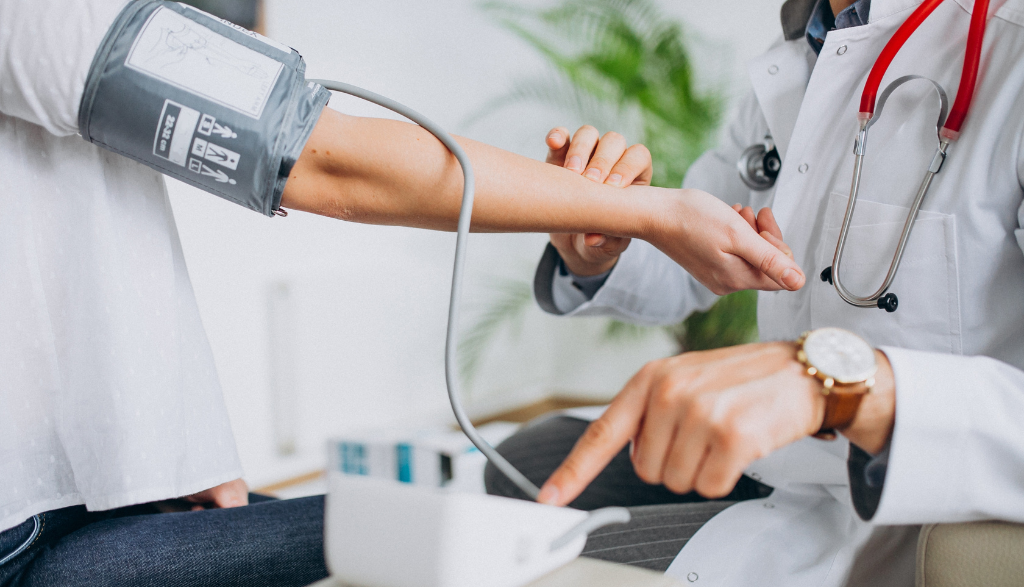

High blood pressure, or hypertension, affects nearly half of all adults in the United States. It is a leading cause of heart attacks, stroke, and kidney disease. So when a weight-loss medication shows signs of lowering blood pressure on top of helping people shed pounds, it becomes medically significant.
That is exactly what is being observed with tirzepatide. Emerging evidence around Tirzepatide and Blood Pressure is building a compelling case — but does this benefit actually last?
How Does Tirzepatide Work?
Tirzepatide is a dual GIP/GLP-1 receptor agonist. It mimics two natural gut hormones — GLP-1 and GIP — that regulate blood sugar, appetite, and metabolism. Given as a once-weekly injection, it has been approved by the FDA for Type 2 diabetes (Mounjaro) and chronic weight management (Zepbound).
Its blood-pressure benefits are believed to come through several pathways:
- Weight reduction — Less body mass means less strain on the cardiovascular system.
- Reduced insulin resistance — Better insulin sensitivity lowers inflammation that contributes to high blood pressure.
- Direct vascular effects — GLP-1 receptor activation may have some direct effects on blood vessel function.
- Improved sodium balance — Weight loss from GLP-1-based medications is linked to improved kidney function and sodium regulation.
What the SURMOUNT-1 Trial Found
The most important clinical data comes from the SURMOUNT-1 trial — a large Phase 3, randomized, double-blind, placebo-controlled study involving 2,539 adults with obesity or overweight.
The 72-week results were striking. Across all tirzepatide doses (5 mg, 10 mg, and 15 mg), participants experienced consistent, clinically meaningful reductions in both systolic and diastolic blood pressure.
By week 24, systolic blood pressure had dropped by:
- 7.8 mmHg with 5 mg tirzepatide
- 8.3 mmHg with 10 mg
- 8.5 mmHg with 15 mg
…compared to just 1.6 mmHg in the placebo group.
These reductions continued through 72 weeks — nearly a year and a half. The data showed a consistent leftward shift in the blood pressure distribution curve. In plain terms, many people who started with high blood pressure moved into normal or lower-risk ranges.
What About 24-Hour Blood Pressure? (Not Just Office Readings)
Most blood pressure readings happen in a doctor’s office. But research shows that 24-hour ambulatory blood pressure monitoring (ABPM) is a stronger predictor of cardiovascular outcomes — including nighttime readings, which matter even more.
A substudy of SURMOUNT-1 with 600 participants used ABPM to track blood pressure around the clock for 36 weeks. The findings were impressive. Tirzepatide reduced 24-hour systolic blood pressure by:
- 7.4 mmHg with 5 mg
- 10.6 mmHg with 10 mg
- 8.0 mmHg with 15 mg
These benefits were consistent during both daytime and nighttime hours. Nighttime systolic blood pressure is particularly important — it is a stronger predictor of cardiovascular death than daytime readings.
The reductions were also consistent across age groups, sex, BMI categories, and baseline hypertension status. That kind of consistency across subgroups is a strong signal.
Is the Blood Pressure Drop Just From Weight Loss?
This is a smart question. Mediation analyses in the SURMOUNT-1 data found that weight loss was the primary driver of blood pressure reduction — accounting for the majority of the effect. The more weight someone lost, the greater the blood pressure improvement.
However, some research has also raised the possibility that GLP-1 receptors in blood vessel walls may have a direct vasodilatory effect. This is still being studied. For now, the dominant explanation is weight-mediated.
A meta-analysis published in PubMed that pooled results from seven randomized controlled trials confirmed these findings. Tirzepatide produced significant reductions in systolic blood pressure at all three doses, along with meaningful drops in LDL cholesterol, total cholesterol, and triglycerides — a full cardiometabolic benefit picture.
A Patient Story: Real-World Impact
Take David, a 52-year-old with obesity and stage 1 hypertension (a composite based on common patient profiles in clinical practice). He was taking one antihypertensive medication and still had readings averaging 142/90 mmHg. His cardiologist referred him to an obesity medicine specialist.
After six months on tirzepatide with physician supervision, David lost 14% of his body weight. His blood pressure averaged 128/80 mmHg. His doctor was able to reduce his antihypertensive dose.
After six months on tirzepatide with physician supervision, David lost 14% of his body weight. His blood pressure averaged 128/80 mmHg. His doctor was able to reduce his antihypertensive dose.
Important Caution: Blood Pressure Can Drop Too Much
While blood pressure reduction is generally good, it is worth noting that tirzepatide can occasionally cause blood pressure to drop too low — especially in people already on antihypertensive medications.
Case reports have documented patients developing near-syncopal episodes (dizziness, almost fainting) after tirzepatide caused blood pressure to drop significantly when combined with existing heart or blood pressure medications. In those situations, medication doses needed adjustment.
This reinforces the importance of physician oversight — especially for those on existing cardiovascular medications.
Long-Term Evidence: Up to 3 Years
Accumulating evidence from tirzepatide trials shows weight reduction and cardiometabolic improvements that are sustained for up to 3 years. The SUMMIT trial, a Phase 3 study in patients with heart failure and obesity, found a 38% relative risk reduction in cardiovascular death or worsening heart failure events with tirzepatide compared to placebo.
These results suggest that the blood pressure benefits are not just a short-term side effect of early weight loss. They appear to be a sustained cardiometabolic shift — which is exactly what clinicians hope to see.
Medically Supervised Treatment: The Right Way to Start
Because Tirzepatide and Blood Pressure management interact closely, starting tirzepatide without proper medical oversight carries real risk — especially for those already on heart or blood pressure medications.
TirzepatideRX Online provides a physician-supervised telehealth program built for exactly this kind of nuanced care. Every patient receives an online consultation, a personalized treatment plan, and ongoing medical support — all delivered to your door.
Pricing is straightforward and transparent. The Monthly Plan at $399/month provides weekly tirzepatide injections, monitoring, and flexible cancellation. The 3-Month Plan at $1,125 total includes a full medication supply, quarterly assessments, and priority support — ideal for those ready to commit to consistent progress. For long-term users, the 6-Month Plan at $2,199 total offers maximum cost savings, bi-monthly medical check-ins, premium support, and tailored nutritional guidance.
You can start your program here and work with a licensed physician from day one.
Conclusion
The evidence connecting Tirzepatide and Blood Pressure is both consistent and clinically meaningful. The SURMOUNT-1 trial showed significant reductions in 24-hour blood pressure — during both day and night — across all doses and most patient subgroups. Long-term data suggests these benefits persist.
That said, medication management requires careful physician oversight. People with existing cardiovascular conditions or blood pressure medications need individualized monitoring. With the right medical guidance, Tirzepatide and Blood Pressure management can work together — leading to better metabolic health overall.
For more health resources on tirzepatide, explore our blog.
Frequently Asked Questions
Does tirzepatide lower blood pressure?
Yes — clinical trials show consistent, meaningful reductions in both systolic and diastolic blood pressure across all doses tested, primarily driven by weight loss.
How much can tirzepatide lower systolic blood pressure?
In the SURMOUNT-1 trial, systolic blood pressure dropped by 7–11 mmHg depending on the dose, similar to the effect of adding a blood pressure medication.
Is tirzepatide safe for people with hypertension?
Generally, yes, but those already on antihypertensive medications need physician oversight, as combined effects can occasionally cause blood pressure to drop too low.
Does the blood pressure benefit last?
Evidence from trials lasting up to 72 weeks and observational data up to 3 years suggests the blood pressure benefits are sustained as long as weight loss is maintained.
Can tirzepatide replace blood pressure medication?
It should not be used as a direct replacement, but some patients under physician supervision have been able to reduce their antihypertensive dosage after significant weight loss.
Sources
- PMC – Tirzepatide and Blood Pressure: Stratified Analyses of SURMOUNT-1: https://pmc.ncbi.nlm.nih.gov/articles/PMC11420724/
- American Heart Association – New Weight Loss Medication May Help Lower Blood Pressure: https://newsroom.heart.org/news/new-weight-loss-medication-may-help-lower-blood-pressure-in-adults-with-obesity
- AHA Journals / Hypertension – Tirzepatide Reduces 24-Hour Ambulatory Blood Pressure (SURMOUNT-1 Substudy): https://www.ahajournals.org/doi/10.1161/HYPERTENSIONAHA.123.22022
- PubMed – Meta-Analysis: Effect of Tirzepatide on Blood Pressure and Lipids: https://pubmed.ncbi.nlm.nih.gov/37700437/
- PMC – Tirzepatide and Cardiometabolic Parameters in Obesity: https://pmc.ncbi.nlm.nih.gov/articles/PMC12409218/
- FDA – Zepbound (Tirzepatide) Prescribing Information: https://www.accessdata.fda.gov/drugsatfda_docs/label/2023/217806s000lbl.pdf