
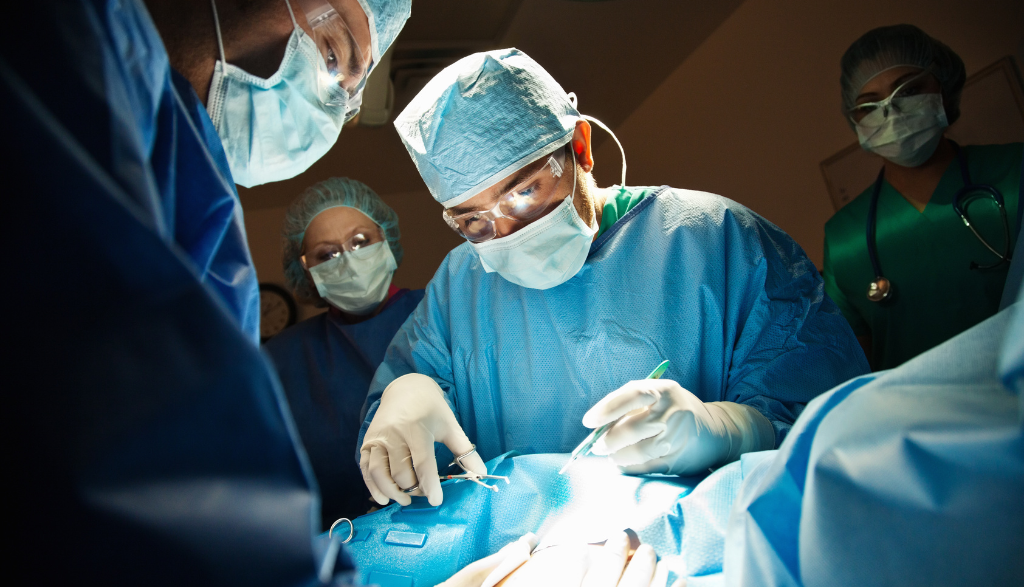

If you take tirzepatide for weight loss or diabetes and you have a surgery coming up, this article is important. Tirzepatide before surgery is a topic that has caught the attention of anesthesiologists, surgeons, and the FDA — and for a very good reason. The medication changes how your stomach works. And during surgery, that can become a safety issue. Here is what you need to know, explained simply and clearly.
Why Tirzepatide and Surgery Do Not Always Mix Well
Tirzepatide works by slowing down how quickly food leaves your stomach. This is called delayed gastric emptying. It is one of the main reasons the medication helps you lose weight — food stays in your stomach longer, so you feel full faster.
But during surgery, this becomes a problem.
When a patient goes under general anesthesia or deep sedation, the body’s natural gag and cough reflexes are turned off. If food or liquid is still sitting in the stomach, it can travel back up the throat and into the lungs. This is called pulmonary aspiration — and it is a serious, potentially life-threatening complication.
The standard pre-surgery rule is: do not eat or drink for several hours before the procedure. This empties the stomach. But with tirzepatide, the stomach may not empty the way it normally would — even after a full night of fasting.
(Source: PMC — Emerging Anesthesia Risks with GLP-1 Medications — https://pmc.ncbi.nlm.nih.gov/articles/PMC10662908/)
What the FDA and Medical Societies Say
The FDA has updated the prescribing information for tirzepatide (both Mounjaro and Zepbound) to include rare but documented reports of pulmonary aspiration during procedures — even when patients had properly fasted.
In 2023, the American Society of Anesthesiologists (ASA) initially recommended holding once-weekly GLP-1 medications like tirzepatide for one week before elective surgery.
Then in 2024, updated joint guidance from the ASA, the American Gastroenterological Association, the American Society for Metabolic and Bariatric Surgery, and other major organizations revised this advice. The new guidance shifted to a risk-based approach.
This means: most patients can continue tirzepatide before minor procedures. But patients who are at higher risk may need to pause the medication.
(Source: The Medical Letter — FDA Warning on GLP-1 Aspiration Risk — https://secure.medicalletter.org/TML-article-1718a)
Who Is Considered High Risk?
Not everyone needs to stop tirzepatide before surgery. The 2024 guidance identifies higher-risk groups:
- Patients who are currently in the dose escalation phase (still increasing to their target dose).
- Those taking the maximum dose (15 mg).
- People experiencing active gastrointestinal symptoms like nausea, vomiting, or bloating.
- Patients with known gastroparesis (a condition where the stomach already empties slowly).
- Those with a hiatal hernia or other factors that raise reflux risk.
If you fall into any of these categories, your anesthesiologist may recommend pausing your tirzepatide, switching to a clear liquid diet for 24 hours before the procedure, or using special airway management techniques.
How Long Should You Stop Tirzepatide Before Surgery?
How Long Should You Stop Tirzepatide Before Surgery?
Tirzepatide has a half-life of about five days. That means it takes roughly 3 to 5 weeks for the medication to fully clear from the body. However, full clearance is not always necessary. The key goal is to reduce gastric emptying delay enough to lower aspiration risk.
General timelines that some surgical teams follow:
- Minor procedures with local or light sedation: May not require stopping at all
- Procedures with moderate or deep sedation: Often, 1 week off is recommended
- Major surgeries with general anesthesia: Some centers advise 2 to 4 weeks
There is no single FDA-mandated stopping protocol. Every surgical team will make this decision based on your specific case.
(Source: PMC — SPAQI Multidisciplinary Consensus Statement on Perioperative GLP-1 Management — https://pmc.ncbi.nlm.nih.gov/articles/PMC12597468/)
A Real-World Case
Sandra, a 47-year-old woman using tirzepatide for weight management, was scheduled for a knee replacement. She had been on the medication for four months and was at the 10 mg dose.
Her surgical team requested she hold her weekly injection for two weeks before the procedure. She was also asked to follow a clear-liquid diet for 24 hours prior.
On the day of surgery, a gastric ultrasound was used to confirm her stomach was empty before anesthesia was given. Everything went smoothly — and she resumed tirzepatide four weeks post-surgery after her digestive function had fully returned.
Her case is exactly what careful planning between a patient, surgeon, and anesthesiologist looks like when it works well.
What About Emergency Surgery?
Sometimes surgery cannot be delayed. If you need emergency surgery and have recently taken tirzepatide, your anesthesia team will treat your stomach as potentially full — regardless of when you last ate.
This is called “full stomach precautions.” The team may use rapid sequence induction (RSI), a technique that protects the airway quickly during the process of putting you to sleep. Point-of-care gastric ultrasound may also be used to check how much is in the stomach before proceeding.
In these situations, telling your care team that you are on tirzepatide is critically important. Do not assume it is already in your chart. Say it out loud.
(Source: UK MHRA Drug Safety Update — GLP-1 and Aspiration Risk — https://www.gov.uk/drug-safety-update/glp-1-and-dual-gip-slash-glp-1-receptor-agonists-potential-risk-of-pulmonary-aspiration-during-general-anaesthesia-or-deep-sedation)
When Can You Restart Tirzepatide After Surgery?
Restarting too soon can be as problematic as continuing during surgery. After a procedure, the digestive system takes time to recover.
General guidance for restarting:
- Wait until you are eating solid food again without nausea or vomiting.
- For minor procedures: Resume at your next scheduled weekly dose once eating normally (typically 24 to 48 hours).
- For major or abdominal surgeries: Wait until bowel function has returned and your surgical team gives clearance.
- If you have diabetes, your physician may use short-acting insulin or other agents to manage blood sugar in the gap.
Never restart tirzepatide on your own after surgery without checking with your prescribing doctor first.
What You Should Do Before Any Procedure
Follow these steps every time you have a scheduled procedure:
- Tell every member of your care team that you are on tirzepatide — your surgeon, anesthesiologist, and nurses.
- Bring the medication name and dose to your pre-operative appointment.
- Ask your prescribing physician whether to hold the dose and for how long.
- Follow all fasting instructions carefully — and do not assume your fast is enough on its own.
- Ask if a gastric ultrasound is available at your facility to confirm stomach emptying.
This is not about fear — it is about coordination. When your whole team knows your full medication list, outcomes are better.
Managing Your Weight Loss With Medical Support
Pausing tirzepatide for a short period does not undo your progress. A two to four week break is unlikely to cause significant weight regain, especially when you maintain healthy eating habits during recovery.
When you are ready to restart, having a physician-supervised plan makes the transition safer and smoother. TirzepatideRX connects you with licensed doctors who oversee your program from start to finish — including guidance around medical events and procedures.
Plans include:
- Monthly Package — $399/month: Weekly injections at home, ongoing monitoring, flexible cancellation.
- 3-Month Package — $1,125 total: Full supply, quarterly health assessments, priority support.
- 6-Month Package — $2,199 total: Most savings, bi-monthly check-ins, nutrition guidance, premium support.
Start your supervised program here or read more health topics at the TirzepatideRX blog.
Conclusion
Understanding tirzepatide before surgery is not about alarm — it is about being an informed patient. A short pause, careful communication, and a solid plan between your care team members is all it takes to stay safe.
FAQ: Tirzepatide Before Surgery
How long before surgery should I stop tirzepatide?
There is no universal rule — it depends on the procedure, your dose, and your symptoms, so discuss it directly with your surgical and prescribing teams.
Can tirzepatide cause complications during anesthesia?
It can increase the risk of pulmonary aspiration due to delayed gastric emptying, which is why your anesthesiologist needs to know you are taking it.
Will stopping tirzepatide before surgery cause weight gain?
A short break of one to four weeks is unlikely to cause significant weight regain, and your doctor may offer guidance to manage this period.
What if I forgot to mention tirzepatide before my surgery?
Tell your anesthesia team immediately on arrival — before any sedation is given — so they can take appropriate precautions.
Can I take tirzepatide before minor dental work?
Even minor procedures with sedation carry some risk, so always inform your dentist and anesthesiologist, and let your prescribing doctor decide.
Sources
- PMC — Emerging Anesthesia Risks with Semaglutide and GLP-1 Medications: https://pmc.ncbi.nlm.nih.gov/articles/PMC10662908/
- PMC — SPAQI Multidisciplinary Consensus Statement on Perioperative GLP-1 Management: https://pmc.ncbi.nlm.nih.gov/articles/PMC12597468/
- UK MHRA Drug Safety Update — GLP-1 and Aspiration Risk During Anaesthesia: https://www.gov.uk/drug-safety-update/glp-1-and-dual-gip-slash-glp-1-receptor-agonists-potential-risk-of-pulmonary-aspiration-during-general-anaesthesia-or-deep-sedation
- ASA Consensus-Based Guidance on Preoperative Management of Patients on GLP-1 Receptor Agonists: https://www.asahq.org/about-asa/newsroom/news-releases/2023/06/american-society-of-anesthesiologists-consensus-based-guidance-on-preoperative