
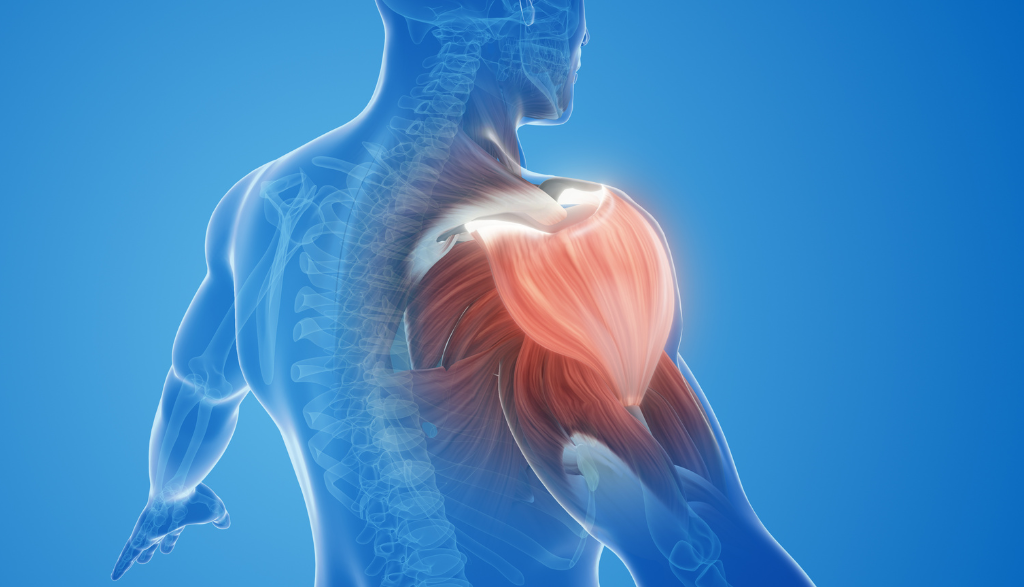

One of the most common concerns people have when starting tirzepatide is this: will I lose muscle along with fat? It is a fair question — and an important one. Tirzepatide and muscle loss is a topic that researchers have studied directly, and the data gives a nuanced but reassuring picture.
Here is everything you need to know, including what the science actually says and what you can do to protect your lean mass.
Why Muscle Loss Happens During Weight Loss
Before blaming the medication, it helps to understand a basic truth: almost every form of weight loss — diet, exercise, surgery, or medication — reduces some lean mass along with fat.
This is because the body uses all available tissues as fuel when it is in a calorie deficit. Fat burns efficiently, but protein from muscle also contributes — especially if protein intake is low or physical activity drops.
The key question is not whether any lean mass is lost. It is how much — and whether it is proportionate.
What the Clinical Trials Show
The most detailed data on tirzepatide and muscle loss comes from the SURMOUNT-1 trial, which included DXA (dual-energy X-ray absorptiometry) body composition scans on a subset of participants.
Over 72 weeks of treatment:
- Total body weight dropped by an average of 21.3%
- Fat mass fell by 33.9%
- Lean mass fell by 10.9%
That means roughly 75% of the weight lost was fat, and 25% was lean mass. This ratio was consistent across subgroups — regardless of age, sex, or how much weight was lost.
(Source: PubMed — SURMOUNT-1 Body Composition Substudy — https://pubmed.ncbi.nlm.nih.gov/39996356/)
Is 25% lean mass loss acceptable? For context, this ratio is similar to what is seen with dietary weight loss and bariatric surgery. It is not considered alarming by clinical standards.
What About Muscle Quality?
Here is where tirzepatide may actually have an advantage over simple calorie restriction.
The SURPASS-3 MRI substudy measured muscle fat infiltration (MFI) — the amount of fat that accumulates inside muscle tissue. Fatty muscle is weaker and less metabolically active than lean muscle.
After 52 weeks, tirzepatide significantly reduced muscle fat infiltration in all dose groups. Meanwhile, the actual loss of fat-free muscle volume was within normal expected ranges based on reference data from large population studies.
This suggests tirzepatide does not just reduce total lean mass — it may actually improve muscle quality by removing fat from within the muscle itself.
(Source: The Lancet Diabetes & Endocrinology — SURPASS-3 MRI substudy — https://www.thelancet.com/journals/landia/article/PIIS2213-8587(25)00027-0/fulltext)
A 2025 systematic review of all available randomized controlled trials confirmed this: tirzepatide reduces fat mass while maintaining relative preservation of lean mass, with muscle composition remaining stable or improving.
(Source: PubMed — Effects of Tirzepatide on Skeletal Muscle Mass in Adults — https://pubmed.ncbi.nlm.nih.gov/40895971/)
A Real Case Study
Jennifer, a 42-year-old woman with obesity and a starting weight of 141 kg, enrolled in a tirzepatide program. She tracked her nutrition carefully, emphasizing protein and fiber.
Over the course of her treatment, she lost significant total body weight. DXA scans taken periodically showed that her lean soft tissue remained well-preserved — particularly because she maintained a protein intake of 100–120g per day and incorporated resistance training twice per week.
Her case, published in a peer-reviewed PMC case series, highlights how intentional lifestyle habits significantly influence body composition outcomes during tirzepatide treatment.
(Source: PMC — Preservation of Lean Soft Tissue During Weight Loss With GLP-1 and GLP-1/GIP Receptor Agonists — https://pmc.ncbi.nlm.nih.gov/articles/PMC12536186/)
How to Protect Your Muscles on Tirzepatide
The good news is that muscle loss is not inevitable. Research and clinical practice point to several effective strategies.
1. Eat Enough Protein
This is the single most important dietary factor. Aim for 1.2 to 1.6 grams of protein per kilogram of body weight per day. Good sources include chicken, fish, eggs, Greek yogurt, legumes, cottage cheese, and protein shakes.
If appetite suppression from tirzepatide makes eating difficult, prioritize protein at every meal — even if portions are small.
2. Do Resistance Training
Strength training gives your muscles a reason to stay. Even two to three sessions per week — bodyweight exercises, resistance bands, or free weights — significantly reduces muscle loss during calorie restriction.
You do not need to be a gym regular. Squats, lunges, push-ups, and rows at home are sufficient to send a muscle-preservation signal to the body.
3. Avoid Extreme Calorie Restriction
Tirzepatide suppresses appetite significantly. Some people accidentally drop to very low calorie intake. Eating too little — below about 1,200 calories for most people — accelerates lean tissue loss. Work with your physician to set a calorie range that creates a deficit without being extreme.
4. Stay Active Throughout the Day
Beyond formal exercise, daily movement matters. Walking, taking stairs, standing instead of sitting — these activities help preserve muscle function and metabolic rate.
5. Get Regular Body Composition Checks
A standard scale only tells you total weight. If possible, ask your doctor about DEXA scans, bioelectrical impedance scales, or other body composition tools to track fat vs. muscle over time.
Does Tirzepatide Directly Cause Muscle Breakdown?
No. The medication itself does not directly attack or degrade muscle tissue. Any lean mass loss is a secondary result of being in a calorie deficit — the same mechanism at work with any weight loss approach.
GIP receptor activity may even have some favorable effects on skeletal muscle metabolism, though researchers are still studying this.
What About Functional Strength?
Some patients worry that even if numbers look okay, they will feel weaker. Clinical and real-world evidence suggest that functional strength is largely maintained when patients follow adequate protein and exercise habits.
In fact, because tirzepatide reduces fat mass significantly — including the fat inside muscles — many patients feel more energetic and physically capable at a lower body weight than before.
Managing Your Weight Loss Safely
If you want to lose fat while preserving your hard-earned muscle, physician supervision makes a real difference. TirzepatideRX delivers personalized, doctor-led care from the comfort of your home — including guidance on nutrition and lifestyle alongside your weekly injection.
Pricing is designed to be straightforward:
- Monthly Package — $399: Weekly injections, ongoing monitoring, and cancel anytime.
- 3-Month Package — $1,125: Full supply, quarterly assessments, priority support.
- 6-Month Package — $2,199: Maximum value, bi-monthly check-ins, nutritional coaching, and premium support.
Start your personalized program today and visit the TirzepatideRX blog for more evidence-based content.
Conclusion
Understanding the relationship between tirzepatide and muscle loss empowers you to take control of your body composition. The science shows that smart nutrition and exercise choices can preserve most of your lean mass — while still achieving meaningful, lasting fat loss.
FAQ: Tirzepatide and Muscle Loss
Does tirzepatide cause muscle loss?
It can reduce some lean mass as a result of overall weight loss, but most weight lost (about 75%) is fat, not muscle.
How do I prevent muscle loss on tirzepatide?
Eating 1.2–1.6g of protein per kg of body weight daily and doing resistance training 2–3 times weekly are the most effective strategies.
Is muscle loss from tirzepatide permanent?
No — lean mass can be rebuilt with strength training and adequate protein, even during and after tirzepatide treatment.
Does tirzepatide affect muscle quality?
Studies show tirzepatide reduces fat inside muscle tissue, which may actually improve muscle quality and functional performance.
How much muscle will I lose on tirzepatide?
The SURMOUNT-1 trial found that approximately 25% of total weight lost was lean mass, which is consistent with other effective weight-loss interventions.
Sources
- PubMed — SURMOUNT-1 Body Composition Substudy (DXA Analysis): https://pubmed.ncbi.nlm.nih.gov/39996356/
- The Lancet Diabetes & Endocrinology — SURPASS-3 MRI Muscle Composition Substudy: https://www.thelancet.com/journals/landia/article/PIIS2213-8587(25)00027-0/fulltext
- PubMed — Effects of Tirzepatide on Skeletal Muscle Mass: Systematic Review 2025: https://pubmed.ncbi.nlm.nih.gov/40895971/
- PMC — Preservation of Lean Soft Tissue During GLP-1/GIP Treatment: Case Series: https://pmc.ncbi.nlm.nih.gov/articles/PMC12536186/
- ClinicalTrials.gov — LEAN Mass Preservation Study: https://clinicaltrials.gov/study/NCT06885736