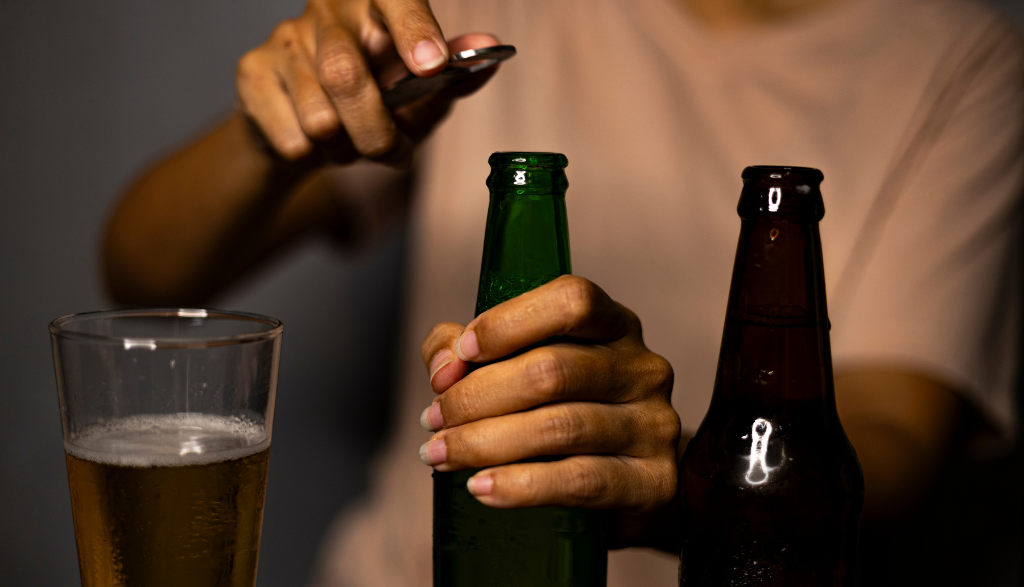

Starting tirzepatide and wondering if you can still enjoy a drink? You’re not alone. Tirzepatide and alcohol is one of the most commonly searched questions by people on Mounjaro® or Zepbound®. The honest answer: alcohol isn’t strictly off-limits, but the combination comes with real risks you should understand before you pour that glass.
This article covers everything you need to know — from how alcohol affects your treatment to what the science says about a surprising benefit.
Is There a Direct Interaction Between Tirzepatide and Alcohol?
No — there is no known direct chemical interaction between tirzepatide and alcohol. Alcohol does not change how your body absorbs or processes the medication.
But that doesn’t mean drinking is safe.
The Mayo Clinic notes that alcohol can cause severe low blood sugar when combined with diabetes medications, and tirzepatide is no exception in certain situations. Even without a chemical interaction, the two can work against each other in several important ways.
How Alcohol Affects Your Body on Tirzepatide
It Can Make Side Effects Much Worse
Tirzepatide already slows down how fast your stomach empties. When you drink, alcohol sits in your stomach longer than usual. This increases the chance of:
- Nausea and vomiting
- Acid reflux and heartburn
- Bloating and stomach discomfort
- Dehydration
If you’re already dealing with nausea from tirzepatide — a common early side effect — alcohol can take that from manageable to miserable.
It Raises the Risk of Low Blood Sugar
This is the most serious concern, especially if you’re taking tirzepatide for Type 2 diabetes.
Here’s why: your liver normally releases glucose (sugar) into your blood to keep your levels stable. When you drink, your liver shifts its focus to clearing alcohol instead. That means less glucose is released — and blood sugar can drop quickly.
The tricky part? Symptoms of low blood sugar look a lot like being drunk — slurred speech, confusion, and dizziness. That makes it easy to miss a dangerous hypoglycemia episode.
If you’re on insulin or any other blood sugar medication alongside tirzepatide, this risk is even higher.
It May Increase Pancreatitis Risk
Tirzepatide carries a rare but noted risk of pancreatitis — inflammation of the pancreas. Heavy alcohol use is one of the most well-known causes of pancreatitis too. Combining both puts added stress on the same organ.
If you experience severe stomach pain, nausea, or vomiting that doesn’t stop, contact your doctor immediately.
It Can Stall Your Weight Loss
Alcohol is high in empty calories. A single glass of wine has around 120 calories. A cocktail can have 200–300 or more. These calories offer no nutritional value and can easily undo a day’s worth of careful eating.
Alcohol also lowers your inhibitions, which can lead to poor food choices. For someone working hard on a weight loss plan, this double hit — extra calories from drinks plus extra calories from late-night snacks — can significantly slow progress.
Dehydration Gets Compounded
Tirzepatide can cause fluid loss through side effects like vomiting and diarrhea. Alcohol is also a diuretic — it makes you urinate more and lose fluids faster. Together, these can lead to significant dehydration, which causes headaches, fatigue, and dizziness.
Something Surprising: Tirzepatide May Reduce Alcohol Cravings
Here’s an unexpected finding that’s gaining attention in the research world.
A study published in Frontiers in Psychiatry (via PubMed Central) found that tirzepatide significantly reduced alcohol consumption and relapse-like behaviors in animal models. Researchers believe this happens because tirzepatide interacts with the brain’s reward system — the same system that makes alcohol feel pleasurable.
By reducing dopamine release in the brain’s reward center, tirzepatide may dampen the “feel good” effect of drinking. Many people on tirzepatide report that alcohol just doesn’t appeal to them the way it used to. Some say they feel full faster, that alcohol tastes different, or that they simply don’t want it.
This is an emerging area of research. A clinical trial (NCT06939088) listed on ClinicalTrials.gov is currently investigating the effects of tirzepatide on alcohol intake in humans. While we don’t yet have definitive human data, the early signals are promising.
A Real-World Example
Consider a 38-year-old man who started tirzepatide for weight loss and had a habit of enjoying two or three beers on weekend evenings. In his first few weeks on the medication, he noticed that one beer made him feel nauseous and more intoxicated than usual. He also started feeling less drawn to alcohol in general.
He cut back to occasional drinking — one drink, with food, and always with water on the side. His side effects became much more manageable, and his weight loss accelerated noticeably.
His experience reflects what many people report: Tirzepatide changes your relationship with alcohol, even if you don’t intend it to.
Who Should Be Extra Careful?
Certain people face higher risks when mixing tirzepatide and alcohol:
- Diabetics — greater risk of dangerous blood sugar drops
- People on insulin or sulfonylureas — compounded hypoglycemia risk
- Anyone with a history of pancreatitis — alcohol is a major trigger
- Those with liver or kidney conditions — both substances put added strain on these organs
- Women — generally have less body water than men, meaning alcohol hits harder per drink
- People who have recently increased their tirzepatide dose, higher doses mean stronger medication effects and potentially stronger interactions
If any of these apply to you, talk to your doctor before drinking, even in small amounts.
Practical Tips If You Choose to Drink
You don’t have to give up alcohol entirely. But if you drink on tirzepatide, follow these guidelines:
- Never drink on an empty stomach. Eat a protein-rich meal before drinking. This slows alcohol absorption and helps stabilize blood sugar.
- Stick to moderation. General guidelines suggest no more than one drink per day for women and two drinks for men. On tirzepatide, less is often better.
- Choose lower-calorie options. Skip sugary cocktails and sweet wines. Opt for light beer, dry wine, or spirits with soda water.
- Stay hydrated. Alternate every alcoholic drink with a full glass of water.
- Check your blood sugar. If you’re diabetic, monitor your levels before, during, and after drinking.
- Watch for warning signs. Nausea, dizziness, confusion, or chest discomfort after drinking are signals to stop and seek help if symptoms worsen.
- Talk to your provider. Everybody is different. Your doctor can give you personalized advice based on your health history and current dose.
Managing Your Tirzepatide Treatment
If you’re navigating questions like these, it helps to have a medical team you can actually reach.
TirzepatideRX Online provides a fully physician-supervised telehealth weight loss program using once-weekly tirzepatide injections. From your first online consultation to ongoing check-ins, everything is managed from home — including personalized guidance on how lifestyle factors like alcohol fit into your plan.
Their program is available at three pricing levels:
- Monthly Plan — $399/month: Weekly injections, health monitoring, and flexible month-to-month enrollment.
- 3-Month Plan — $1,125 total: Full medication supply, quarterly health reviews, and priority access to your care team.
- 6-Month Plan — $2,199 total: Maximum value, with bi-monthly check-ins, premium support, and nutritional coaching included.
Ready to get started with expert support? Begin your assessment here or explore more topics on the blog.
Final Thoughts
Tirzepatide and alcohol can coexist — but the combination requires awareness and care. Alcohol can amplify side effects, raise the risk of serious health events, and slow the progress you’re working hard to achieve. On the other hand, many people find that tirzepatide naturally reduces their desire to drink, which can be an unexpected positive side effect.
The most important step? Have an honest conversation with your healthcare provider. Know your risks, drink mindfully, and let the medication do its job.
Frequently Asked Questions
Can you drink alcohol while taking tirzepatide?
Yes, in moderation — but alcohol can worsen side effects and slow weight loss, so caution and medical guidance are essential.
Does alcohol affect how tirzepatide works?
Alcohol doesn’t change how tirzepatide is absorbed, but it can increase side effects and raise the risk of low blood sugar.
Can tirzepatide cause low blood sugar when you drink?
Especially for diabetics or those on insulin, yes, alcohol prevents the liver from releasing glucose, which can trigger hypoglycemia.
Why do I feel drunk faster on tirzepatide?
Tirzepatide slows stomach emptying, so alcohol is absorbed differently, and effects may feel stronger than before.
Does tirzepatide reduce alcohol cravings?
Early research suggests yes — the medication may dampen the brain’s reward response to alcohol, leading many users to drink less.
Is wine or beer safer than spirits on tirzepatide?
All alcohol carries similar risks; lower-calorie, lower-sugar options like dry wine or light beer are generally better choices.
Sources
- Tirzepatide (Subcutaneous Route) — Drug Interactions & Alcohol — Mayo Clinic — https://www.mayoclinic.org/drugs-supplements/tirzepatide-subcutaneous-route/description/drg-20534045
- Tirzepatide Reduces Alcohol Drinking and Relapse-Like Behaviours in Rodents — PubMed Central (NIH) — https://pmc.ncbi.nlm.nih.gov/articles/PMC12808897/
- Effects of Tirzepatide on Alcohol Intake — Clinical Trial NCT06939088 — ClinicalTrials.gov — https://clinicaltrials.gov/study/NCT06939088
- FDA Prescribing Information for Zepbound (Tirzepatide) — https://www.accessdata.fda.gov/drugsatfda_docs/label/2023/217806s000lbl.pdf
- Pancreatitis — National Institute of Diabetes and Digestive and Kidney Diseases (NIDDK) — https://www.niddk.nih.gov/health-information/digestive-diseases/pancreatitis
- Hypoglycemia (Low Blood Sugar) — National Institute of Diabetes and Digestive and Kidney Diseases (NIDDK) — https://www.niddk.nih.gov/health-information/diabetes/overview/preventing-problems/low-blood-glucose-hypoglycemia