
If you are considering tirzepatide for weight loss, you have probably seen some impressive claims online. But what does the science actually say? The tirzepatide success rate from real clinical trials is striking — and it holds up to scrutiny.
In this article, we go straight to the data. No hype. No guesswork. Just what the research actually shows, explained simply.
What Is Tirzepatide and Why Is It Different?
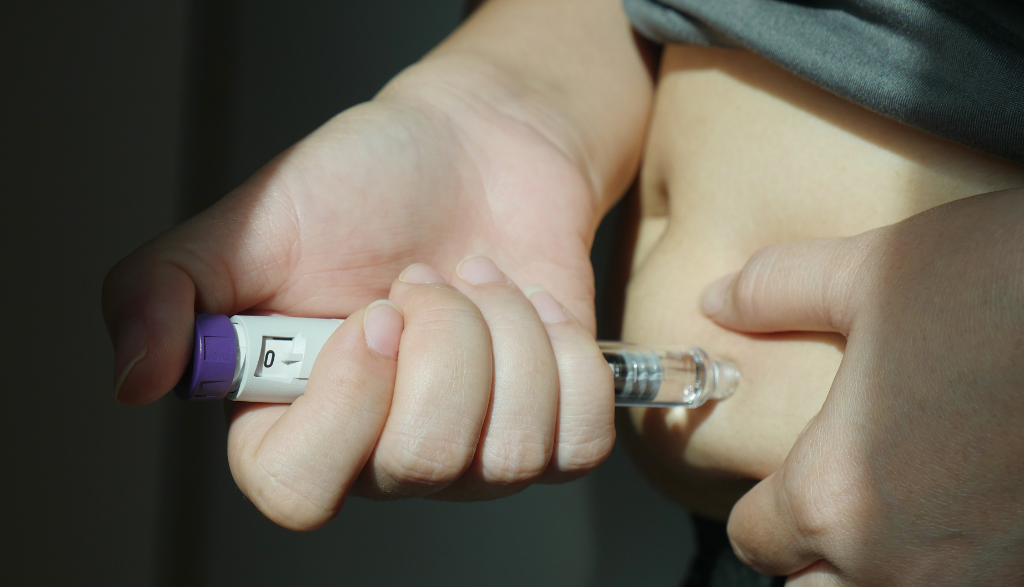
Tirzepatide is a once-weekly injectable medication. It is sold under the brand names Mounjaro (for type 2 diabetes) and Zepbound (for weight management).
Most GLP-1 medications work by mimicking one hormone in your body. Tirzepatide is different. It mimics two hormones — GLP-1 and GIP. This dual action is why its results in clinical trials have been so much stronger than older medications in the same class.
Both hormones work together to:
- Suppress appetite
- Slow digestion, so you feel full longer
- Improve blood sugar regulation
- Reduce cravings
This dual-hormone approach is what sets tirzepatide apart and drives the numbers you are about to read.
The SURMOUNT Clinical Trial Program
The main evidence for tirzepatide comes from a large series of phase 3 clinical trials called the SURMOUNT program. These trials enrolled more than 5,000 adults with obesity or overweight across multiple countries.
Here is a summary of the key trials and what they found.
SURMOUNT-1: The Landmark Trial
SURMOUNT-1 is the most important trial for understanding the tirzepatide success rate in adults without diabetes.
The trial included 2,539 participants and ran for 72 weeks. Participants were randomly assigned to tirzepatide at doses of 5 mg, 10 mg, or 15 mg, or a placebo. All participants also followed a reduced-calorie diet and increased physical activity.
The results, published in the New England Journal of Medicine, were remarkable:
| Dose | Average Weight Lost |
| 5 mg | 16.0% of body weight (~35 lbs) |
| 10 mg | 21.4% of body weight (~49 lbs) |
| 15 mg | 22.5% of body weight (~52 lbs) |
| Placebo | 2.4% of body weight (~5 lbs) |
To put the 15 mg result in perspective: a person starting at 230 pounds could lose about 52 pounds over 72 weeks.
Even more striking were the percentages of people achieving clinically meaningful weight loss:
- 89% of those on 5 mg lost at least 5% of their body weight
- 96% of those on 10 mg and 15 mg lost at least 5%
- Only 28% of the placebo group achieved the same
These numbers show that the vast majority of people who stayed on tirzepatide saw significant results.
SURMOUNT-2: Results in People With Type 2 Diabetes
SURMOUNT-2 focused on adults who had both obesity and type 2 diabetes. Weight loss is typically harder to achieve in people with diabetes, but tirzepatide still delivered strong results.
Over 72 weeks with 938 participants, those on the 15 mg dose lost up to 15.7% of their body weight — the highest weight loss ever seen in a phase 3 trial for this population at that time.
SURMOUNT-3: After Lifestyle Changes
SURMOUNT-3 tested what happens when you add tirzepatide after someone has already made lifestyle changes.
Participants who had already lost at least 5% of their body weight through intensive diet and exercise were then given tirzepatide. Over 72 weeks, the tirzepatide group lost an additional 18.4% of body weight. The placebo group actually regained 2.5%.
This shows that tirzepatide works powerfully even for people who have already tried diet and exercise.
SURMOUNT-4: Long-Term Weight Maintenance
SURMOUNT-4 answered a critical question: what happens if you stop?
After 36 weeks of tirzepatide treatment, participants were split into two groups. One group continued on tirzepatide. The other group switched to a placebo.
- The tirzepatide group reached 25.8% total weight loss by the end of the study.
- Those who stopped and switched to a placebo regained 14% of their body weight within one year.
This confirms what doctors already know: obesity is a chronic condition. Tirzepatide works best when used as a long-term treatment, not a short-term fix.
Three-Year Data: SURMOUNT-1 Extended
In late 2024, Eli Lilly published three-year results from SURMOUNT-1. The data showed:
- Sustained average weight loss of 22.9% at 15 mg over 176 weeks
- A 94% reduction in risk of progression to type 2 diabetes compared to placebo
- For every 9 patients treated, one case of diabetes was prevented
This is not just a weight loss medication. These results suggest tirzepatide has the potential to significantly reshape long-term metabolic health.
Real Patient Experience
Linda, 52, started tirzepatide through a telehealth program after years of struggling with her weight despite dieting.
“I had tried everything. Low-carb, calorie counting, exercise programs — I could lose a little but always gained it back. After six months on tirzepatide, I had lost 38 pounds. My doctor was thrilled with my blood pressure readings. I finally felt like I had control back.”
Linda’s experience reflects what the trials show. Most people respond well, especially when they stay consistent and combine the medication with healthy habits.
What About People Who Respond Slowly?
Not everyone loses weight at the same rate. A post-hoc analysis of SURMOUNT-1 looked at “late responders” — people who lost less than 5% of their weight in the first 12 weeks.
The finding was encouraging: 90% of those early slow-responders still achieved clinically meaningful weight loss by week 72 when they continued treatment.
This means: if you are not seeing dramatic results early, that does not mean the medication is not working. Patience and consistency matter.
How Does Tirzepatide Compare to Other Options?
A 2024 meta-analysis published in PMC reviewed multiple randomized controlled trials. The findings showed:
- The odds of achieving at least 5% weight loss with tirzepatide were significantly higher than with semaglutide or liraglutide
- Pooled weight loss across three SURMOUNT trials reached 18.7% on average
Head-to-head comparisons suggest tirzepatide produces approximately 5 to 7% greater weight loss than semaglutide, a meaningful difference when we are talking about tens of pounds.
Beyond Weight: Other Health Improvements
The clinical trials also tracked what happened to participants’ overall health. Alongside weight loss, people on tirzepatide experienced:
- Significant reductions in blood pressure
- Improvements in cholesterol and triglyceride levels
- Better blood sugar control
- Reduced waist circumference
- Improved quality of life and physical function scores
These are not just cosmetic results. They represent real improvements in long-term health risks.
Side Effects: What the Trials Found
The most common side effects in the SURMOUNT trials were gastrointestinal:
- Nausea
- Diarrhea
- Constipation
- Vomiting
These were usually mild to moderate and most common during the early weeks as the dose was being increased. They typically improved over time as the body adjusted.
Treatment discontinuations due to side effects were 4 to 7% across dose groups — relatively low for a medication with this level of efficacy.
Starting a Physician-Supervised Program
The clinical trial results above were achieved with physician oversight, gradual dose titration, and lifestyle support. That structure matters.
TirzepatideRX provides exactly this kind of supervised approach through a convenient telehealth model. Everything is handled from home, a consultation with a licensed physician, a personalized treatment plan, weekly tirzepatide injections delivered to your door, and ongoing medical monitoring.
Three program options are available:
- Monthly Plan — $399/month: Weekly injections, active monitoring, and the ability to cancel anytime.
- 3-Month Plan — $1,125 total: Full 90-day supply, quarterly health assessments, and priority support.
- 6-Month Plan — $2,199 total: Maximum savings with bi-monthly check-ins, premium medical support, and personalized nutritional guidance.
Ready to begin? Start your program here. For more evidence-based guides, visit the TirzepatideRX blog.
Frequently Asked Questions
What is the tirzepatide success rate in clinical trials?
In SURMOUNT-1, up to 96% of participants on higher doses achieved at least 5% body weight reduction over 72 weeks.
How much weight do most people lose on tirzepatide?
Clinical trials show average weight loss ranging from 16% to 22.5% of body weight, depending on dose, equivalent to roughly 35 to 52 pounds for many participants.
Does tirzepatide work for people with type 2 diabetes?
Yes — SURMOUNT-2 showed up to 15.7% weight loss in adults with obesity and type 2 diabetes, which was the highest result ever seen in a phase 3 trial for that population at the time.
What happens if you stop tirzepatide?
SURMOUNT-4 showed that people who stopped tirzepatide regained about 14% of their body weight within one year, highlighting the importance of ongoing treatment.
Is tirzepatide better than semaglutide?
Clinical data suggest tirzepatide produces approximately 5 to 7% greater weight loss than semaglutide, though individual results vary.
How long does it take to see results with tirzepatide?
Many people notice appetite changes in the first few weeks; meaningful weight loss typically becomes visible within 1 to 3 months of consistent use.
What is the tirzepatide success rate for blood sugar improvement?
The SURPASS trials showed tirzepatide reduced HbA1c levels by up to 2.24%, making it one of the most effective options for blood sugar control in adults with type 2 diabetes.
Trusted Sources
- NEJM — SURMOUNT-1 Trial (Tirzepatide for Obesity): https://www.nejm.org/doi/full/10.1056/NEJMoa2206038
- PubMed — SURMOUNT-1 Summary: https://pubmed.ncbi.nlm.nih.gov/35658024/
- JAMA — SURMOUNT-4 Weight Maintenance Trial: https://jamanetwork.com/journals/jama/fullarticle/2812936
- Nature Medicine — SURMOUNT-3 Trial: https://www.nature.com/articles/s41591-023-02597-w
- PMC — Population Pharmacokinetics and Post-Hoc SURMOUNT-1 Analysis: https://pmc.ncbi.nlm.nih.gov/articles/PMC12326891/
- FDA — Zepbound (Tirzepatide) Prescribing Information: https://www.accessdata.fda.gov/drugsatfda_docs/label/2023/217806s000lbl.pdf
- NIH — Tirzepatide StatPearls Overview: https://www.ncbi.nlm.nih.gov/books/NBK585056/