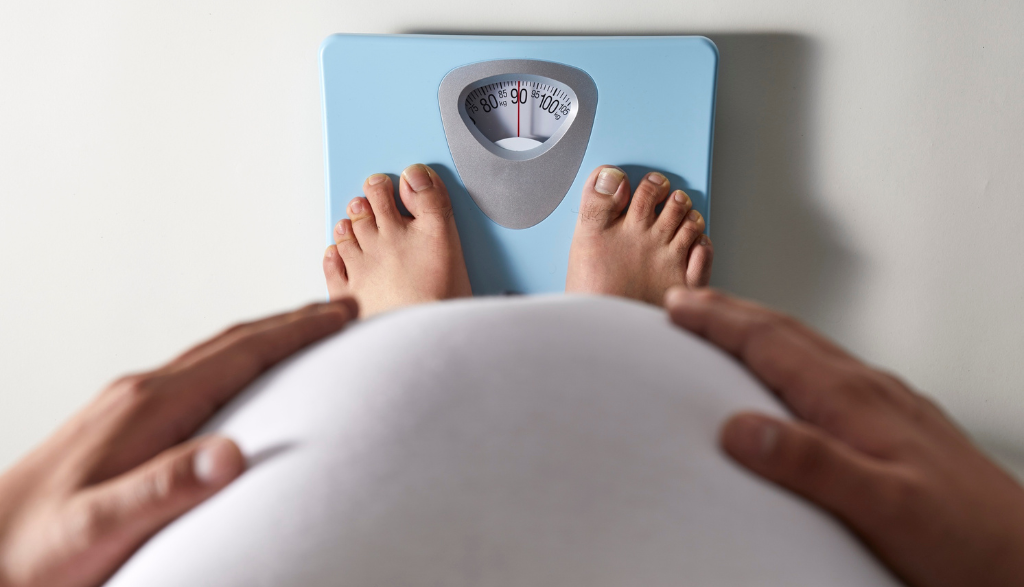

You started tirzepatide with high hopes. But now you are staring at the scale and wondering — why am I not losing weight on tirzepatide yet?
You are not alone. This is one of the most common questions people ask after their first few weeks or months on the medication. The good news is that there are real, fixable reasons behind most slow-progress situations.
First: Understand What “Normal” Progress Actually Looks Like
Before diving into causes, it helps to set the right expectations.
Tirzepatide is not a magic switch. It works gradually. According to the SURMOUNT-1 clinical trial, most participants started at the lowest dose (2.5 mg) and increased slowly over several months.
Weight loss during the early weeks is often modest. The bigger results come later — typically between weeks 12 and 36 — as the dose increases and your body adjusts.
A 2024 post-hoc analysis of SURMOUNT-1 data also found that roughly 18% of participants were “late responders.” These were people who lost less than 5% of their weight in the first 12 weeks. But by week 72? 90% of those late responders still achieved clinically meaningful weight loss by sticking with the program.
The message is clear: a slow start does not mean treatment failure.
Reason 1: Your Dose Is Still Too Low
Tirzepatide starts at 2.5 mg per week. This dose is designed to let your body adjust and reduce side effects. It is not designed to produce dramatic weight loss.
The therapeutic doses for meaningful weight loss are 5 mg, 10 mg, and 15 mg. Many patients do not reach these levels for several months.
What to do: Talk to your provider about your titration schedule. If you have been tolerating the medication well, it may be time to move up. Never adjust your dose without medical guidance.
Reason 2: You Are Still Eating More Than You Think
Tirzepatide reduces hunger. But it does not eliminate the calories in what you eat.
This is one of the most overlooked reasons people stall. The medication lowers your appetite — but some people unconsciously compensate. They eat smaller meals but snack more often. They drink high-calorie beverages. They choose lower-volume, calorie-dense foods.
A short-term food log of just 3 to 5 days can reveal patterns you did not notice before.
What to do: Track what you eat for a few days. Pay special attention to drinks, sauces, snacks, and portion sizes. Aim for protein and fiber at every meal to stay fuller longer.
Reason 3: You Are Losing Muscle, Not Fat
This is a sneaky but real problem with weight-loss medications.
When you eat significantly less but do not exercise, your body can break down muscle tissue for energy. Muscle burns more calories than fat — even at rest. Less muscle means a slower metabolism. A slower metabolism makes weight loss harder.
The scale might even stay the same or go up temporarily as your body composition shifts.
What to do: Add strength training at least twice a week. Even bodyweight exercises at home help. Also make sure you are getting enough protein — aim for lean meats, eggs, legumes, or Greek yogurt at each meal.
Reason 4: Your Body Is Going Through a Plateau — and That Is Normal
Clinical research on tirzepatide confirms that weight loss is not linear. Most people see faster results early, then slow progress as the body adapts to a lower weight.
As you lose fat, your body needs fewer calories to function. This is called adaptive thermogenesis — a perfectly natural process where your metabolism becomes more efficient at a lower body weight.
A post-hoc analysis of both SURMOUNT-1 and SURMOUNT-4 data confirmed that most tirzepatide patients reached a weight plateau somewhere between 24 and 36 weeks. Participants with higher starting BMIs often reached their plateau later.
A plateau is not the medication stopping. It is your biology catching up.
What to do: Do not give up at the plateau stage. This is exactly when continued medication, consistent nutrition, and exercise matter most. Talk to your doctor about whether a dose increase could help.
Reason 5: Stress and Poor Sleep Are Working Against You
This one surprises many people.
Poor sleep and chronic stress both raise cortisol levels in your body. Cortisol is a hormone that promotes fat storage — especially around the belly. It also increases cravings for high-calorie foods.
Tirzepatide works on appetite signals in the brain. But elevated cortisol can overpower those signals, making food feel more appealing even when you are not truly hungry.
What to do: Aim for 7 to 9 hours of sleep per night. Find simple ways to manage stress — walking, breathing exercises, or talking to someone you trust can all help. These changes are not optional extras. They are part of the treatment.
Reason 6: An Underlying Medical Condition Is Slowing You Down
Certain health conditions make weight loss harder, even with tirzepatide.
These include:
- Hypothyroidism (underactive thyroid) — slows metabolism significantly
- PCOS (polycystic ovary syndrome) — causes insulin resistance and hormonal weight gain
- Obstructive sleep apnea — disrupts hormones tied to hunger and fat storage
- Cushing’s syndrome — causes the body to store excess fat
- Insulin resistance — makes the body less efficient at using fuel
If any of these are untreated or poorly managed, they can reduce tirzepatide’s effectiveness. Clinical experts note that these conditions can blunt the response to the medication even when it is being used correctly.
What to do: Ask your doctor about bloodwork to check thyroid function, blood sugar, and hormones. Treating an underlying condition could be the key to unlocking your weight loss.
Reason 7: Other Medications Are Fighting Back
Some commonly prescribed medications promote weight gain. These include:
- Certain antidepressants (like some SSRIs or tricyclics)
- Antipsychotic medications
- Corticosteroids (like prednisone)
- Insulin
- Some blood pressure medications
- Seizure medications
These drugs can counteract tirzepatide’s effects. The interaction is not your fault — it is biology.
What to do: Bring a full list of your medications to your next appointment. Your provider can review whether any of them might be interfering and discuss alternatives if appropriate.
Real Patient Experience
David, 47, started tirzepatide through a telehealth program and saw almost no change in the first eight weeks.
“I was ready to quit. I had lost maybe three pounds in two months and I was frustrated. My doctor asked about my sleep — and I realized I was averaging maybe five hours a night. We also found my thyroid levels were off. Once we addressed both of those, I started losing consistently. By month five, I had dropped 24 pounds.”
David’s story is common. The medication was doing its job. Other factors were in the way.
Getting the Right Support Makes All the Difference
Tirzepatide works best inside a supervised, structured program — not alone.
TirzepatideRX provides exactly that. It is a physician-supervised telehealth weight-loss program that pairs once-weekly tirzepatide injections with online consultations, a personalized treatment plan, home delivery of your medication, and ongoing medical monitoring — all from the comfort of your home.
Here is how the pricing breaks down:
- Monthly Plan — $399/month: Weekly injections, continuous monitoring, and cancel-anytime flexibility.
- 3-Month Plan — $1,125 total: Full 90-day supply with quarterly health assessments and priority support.
- 6-Month Plan — $2,199 total: The best-value option, with bi-monthly check-ins, premium support, and nutritional guidance.
Ready to take the next step? Begin your program here. For more articles like this, head to the TirzepatideRX blog.
A Quick Checklist: Why You Might Not Be Losing Weight Yet
Use this to identify what might be happening:
- Still on a low dose (2.5 mg or 5 mg)
- Eating more than you realize (hidden calories in drinks, snacks)
- Not enough protein or strength training
- Reached a normal biological plateau
- Poor sleep or high stress
- Untreated thyroid issue, PCOS, or insulin resistance
- Taking medications that promote weight gain
If you checked two or more, share this list with your doctor at your next visit.
Frequently Asked Questions
Why am I not losing weight on tirzepatide yet?
The most common reasons include being on a low starting dose, underestimating calorie intake, muscle loss, metabolic adaptation, poor sleep, or an underlying condition like hypothyroidism.
How long does it take for tirzepatide to show results?
Most people notice appetite changes in the first few weeks, but consistent weight loss usually becomes visible between weeks 4 and 12, especially after dose increases.
Is it normal to plateau on tirzepatide?
Yes — clinical trials show that most patients plateau between weeks 24 and 36, which reflects normal metabolic adaptation, not treatment failure.
What percentage of people do not respond to tirzepatide?
Clinical trial data show that approximately 9% of participants did not achieve at least 5% weight loss, even on the highest 15 mg dose.
Can other medications prevent weight loss on tirzepatide?
Yes — antidepressants, antipsychotics, corticosteroids, and some blood pressure medications can counteract tirzepatide’s effects.
Does stress affect tirzepatide results?
Yes — chronic stress raises cortisol, which increases fat storage and cravings, and can reduce the effectiveness of appetite-suppressing medications.
Should I stop tirzepatide if it is not working yet?
Not without speaking to your provider first — why am I not losing weight on tirzepatide is a question your doctor can help answer with bloodwork, lifestyle review, and possible dose adjustment.
Trusted Sources
- PMC — Time to Weight Plateau with Tirzepatide in SURMOUNT-1 and SURMOUNT-4: https://pmc.ncbi.nlm.nih.gov/articles/PMC12096058/
- PMC — Post-Hoc SURMOUNT-1 Analysis: Early vs Late Responders: https://pmc.ncbi.nlm.nih.gov/articles/PMC12326891/
- NEJM — SURMOUNT-1 Trial (Tirzepatide for Obesity): https://www.nejm.org/doi/full/10.1056/NEJMoa2206038
- JAMA — SURMOUNT-4 Weight Maintenance After Stopping Tirzepatide: https://jamanetwork.com/journals/jama/fullarticle/2812936
- PMC — Tirzepatide for PCOS Management: https://pmc.ncbi.nlm.nih.gov/articles/PMC10380206/
- NIH — Tirzepatide StatPearls (Pharmacology and Clinical Use): https://www.ncbi.nlm.nih.gov/books/NBK585056/
- FDA — Zepbound (Tirzepatide) Prescribing Information: https://www.accessdata.fda.gov/drugsatfda_docs/label/2023/217806s000lbl.pdf