
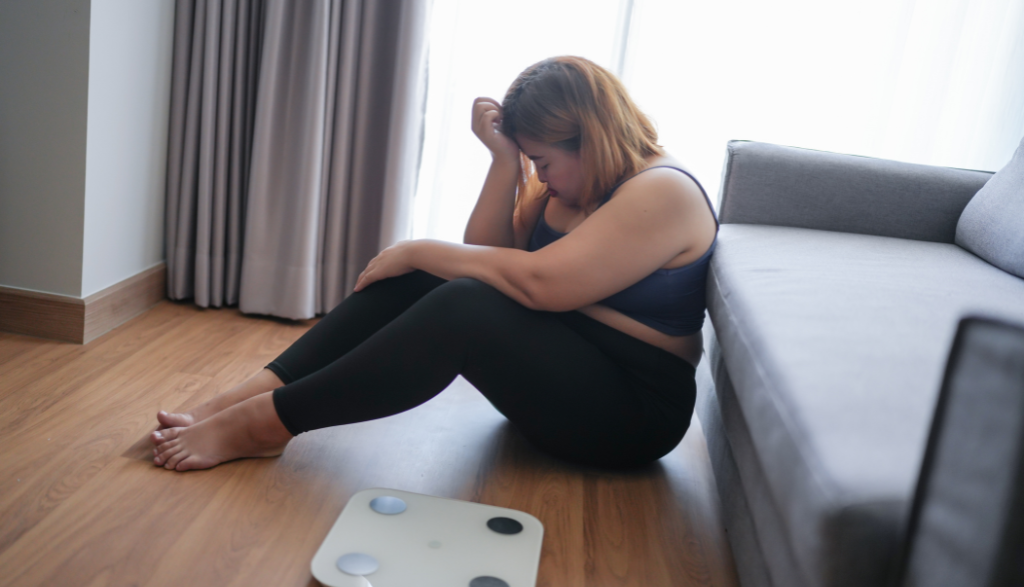

You’ve worked hard. You’ve lost weight. You feel better. Now you’re wondering — what happens when you stop taking Tirzepatide?
It’s one of the most common questions people have. Whether you’re thinking about stopping because of cost, side effects, or reaching your goal weight, knowing what to expect can help you plan ahead and protect the progress you’ve made.
The short answer: your body changes. But how much — and how fast — depends on several factors. Let’s break it all down.
How Does Tirzepatide Work in Your Body?
Before diving into what changes when you stop, it helps to understand what tirzepatide is actually doing.
Tirzepatide (the active ingredient in Mounjaro® and Zepbound®) acts on two hormone receptors — GLP-1 and GIP. These hormones are naturally released after you eat. They do three important things:
- Slow down how fast your stomach empties
- Tell your brain you’re full
- Improve how your body uses insulin
The result? You feel full sooner, eat less, and your blood sugar stays more stable. Over time, this creates significant weight loss.
But here’s the catch — these effects only last as long as you take the medication.
When you stop, your body gradually returns to how it worked before.
What Happens to Your Body When You Stop Taking Tirzepatide?
1. Hunger Comes Back
This is the first thing most people notice. As the medication leaves your system, digestion speeds back up. You’ll feel hungry sooner after meals. You may notice more frequent food cravings. The “food noise” — those constant thoughts about eating — often returns.
This doesn’t mean you’ve failed. It means the hormonal support that was helping regulate your appetite is no longer there.
2. Weight Regain Is Common
Research is very clear on this point. The SURMOUNT-4 clinical trial, published in JAMA Internal Medicine, followed people who stopped tirzepatide after 36 weeks of successful treatment.
The results? 82.5% of people who stopped tirzepatide regained at least 25% of their lost weight within one year.
Those who continued taking the medication lost an additional 5.5% of their body weight during the same period.
Dr. Louis Aronne of Weill Cornell Medicine put it plainly: “If you stop the medication, you regain the weight. There’s no question that will happen.” He compares obesity to diabetes or high blood pressure — a chronic condition that needs ongoing treatment.
On average, studies show people regain around 37% of their lost weight within a year of stopping. The flip side? That means about 63% of the weight loss is still maintained, which is meaningful progress.
3. Blood Sugar and Metabolic Health Can Reverse
Tirzepatide doesn’t just help with weight. It improves several key health markers:
- Blood pressure
- Blood sugar (HbA1c)
- Cholesterol levels
- Insulin resistance
After stopping, these improvements can start to fade — especially if significant weight is regained. The SURMOUNT-4 data showed that people who regained 75% or more of their lost weight saw their cardiometabolic health markers return nearly to their original levels.
4. Side Effects Ease Up
There’s a silver lining to stopping. Gastrointestinal side effects, like nausea, constipation, and diarrhea are among the first things to improve after stopping tirzepatide. For many people, this is a significant relief.
5. Some People Experience Mild Adjustment Symptoms
A small number of people report increased fatigue, mood shifts, or low motivation in the weeks after stopping. This is likely related to the hormonal shift rather than the drug itself. These symptoms are usually short-lived.
Why Do People Stop Tirzepatide?
People stop for all kinds of reasons — and none of them make you a failure:
- Cost: Out-of-pocket prices can be high without insurance coverage.
- Side effects: Nausea or digestive discomfort that doesn’t resolve.
- Reached a goal weight: Feeling ready to transition off medication.
- Pregnancy planning: Medical guidance to stop before conceiving.
- Personal choice: Preference for a medication-free approach.
Whatever your reason, the most important thing is to plan the transition with your doctor.
Real-World Example
Consider a 42-year-old woman who started tirzepatide and lost 35 pounds over six months. She felt energized, her blood pressure normalized, and her doctor reduced her cholesterol medication.
After stopping tirzepatide due to cost, she regained about 12 pounds over the next eight months — but maintained 23 pounds of her total loss by sticking with high-protein meals, daily walks, and regular check-ins with her care team.
Her story reflects what research shows: lifestyle habits are the most powerful tool for maintaining results after stopping the medication.
How to Protect Your Progress After Stopping
You can’t stop weight regain entirely — but you can reduce how much comes back. Here’s what works:
- Don’t stop suddenly. Talk to your doctor about tapering down gradually. This gives your body time to adjust and reduces rebound hunger.
- Prioritize protein. Aim for 60–90g of protein daily. It helps you feel full and preserves muscle mass during the transition.
- Keep moving. Regular physical activity — even walking 30 minutes a day — supports your metabolism and helps manage weight long term.
- Watch your portions. Without medication slowing your digestion, portion control becomes even more important. Use smaller plates and eat slowly.
- Track your progress. Check in with your doctor every 3 months. Monitor your weight, blood pressure, and blood sugar. If you see significant regain, it may be time to revisit your plan.
- Address food noise proactively. Cravings will likely return. Identifying your triggers ahead of time — stress, boredom, social situations — gives you strategies to manage them.
Should You Stay on Tirzepatide Long-Term?
For many people, tirzepatide may need to be a long-term treatment — not a short course. Obesity is a chronic condition. Just like someone with high blood pressure takes medication indefinitely, the same logic applies to obesity medicine.
That said, every situation is different. Some people reach a stable weight, build strong habits, and successfully transition off. Others do best with continued, ongoing support.
The right answer is one you work out with your healthcare provider.
Starting or Continuing With a Supervised Program
If you’re thinking about stopping — or wondering how to stay on track — having a physician in your corner makes all the difference.
TirzepatideRX Online runs a doctor-supervised, telehealth weight loss program built around once-weekly tirzepatide injections. The program combines online medical consultations, a personalized treatment plan, home delivery of medication, and regular clinical check-ins — all from home.
For those concerned about long-term cost and commitment, the program offers clear, straightforward options:
- Monthly Plan — $399/month: Weekly injections, ongoing monitoring, and the freedom to cancel at any time.
- 3-Month Plan — $1,125 total: A full medication supply, quarterly health assessments, and priority support access.
- 6-Month Plan — $2,199 total: The best value option, with bi-monthly check-ins, premium support, and built-in nutritional guidance to support long-term success.
You can begin your evaluation here or browse more helpful resources on the blog to help guide your decisions.
Final Thoughts
What happens when you stop taking Tirzepatide isn’t a simple answer — it depends on your habits, your health history, and how you manage the transition. Weight regain is common, hunger returns, and some metabolic benefits may fade. But with the right support system and lifestyle strategies, many people successfully maintain a meaningful portion of their results.
Don’t make this decision alone. Talk to your doctor, build your plan, and remember that stopping tirzepatide is a transition, not a failure. The progress you made is real, and with the right steps, much of it can stay.
Frequently Asked Questions
What happens when you stop taking Tirzepatide suddenly?
Stopping abruptly can cause rapid return of hunger and quick weight regain — tapering with your doctor’s guidance is always safer.
Will I gain all my weight back after stopping tirzepatide?
Not necessarily, studies show people retain about 63% of their weight loss on average, especially with strong lifestyle habits in place.
How long does it take for hunger to return after stopping tirzepatide?
Most people notice increased hunger within a few weeks as the medication clears the body.
Can I restart tirzepatide if I regain weight?
Yes, restarting is an option and is best done with physician guidance and a structured plan.
Do the health benefits (blood pressure, cholesterol) go away when you stop?
They can reverse if significant weight is regained, which is why maintaining healthy habits after stopping is so important.
Is tirzepatide meant to be taken forever?
For many people with obesity, long-term use may be necessary, similar to medications for blood pressure or diabetes.
Sources
- Tirzepatide Enhances Weight Loss With Sustained Treatment but Discontinuation Leads to Weight Regain — Weill Cornell Medicine / JAMA (2023) — https://news.weill.cornell.edu/news/2023/12/tirzepatide-enhances-weight-loss-with-sustained-treatment-but-discontinuation-leads-to
- Weight Regain After Liraglutide, Semaglutide or Tirzepatide Interruption: A Narrative Review — PubMed Central (NIH) — https://pmc.ncbi.nlm.nih.gov/articles/PMC12155999/
- FDA Prescribing Information — Zepbound (Tirzepatide) — https://www.accessdata.fda.gov/drugsatfda_docs/label/2023/217806s000lbl.pdf
- Telogen Effluvium and Nutritional Deficiency — StatPearls, National Institutes of Health — https://www.ncbi.nlm.nih.gov/books/NBK547737/
- Obesity as a Chronic Disease — National Institute of Diabetes and Digestive and Kidney Diseases (NIDDK) —