
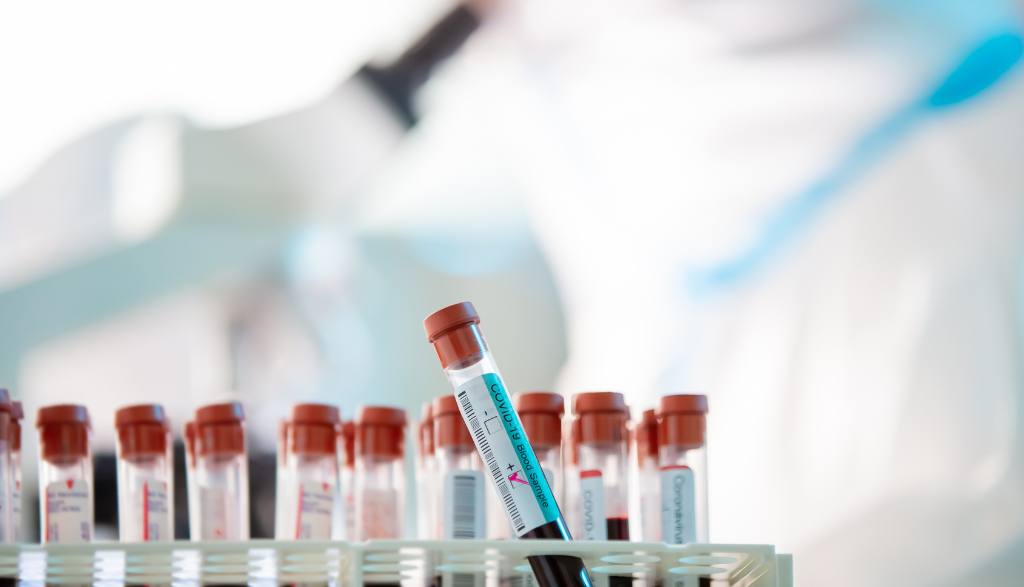

So you’re thinking about starting tirzepatide. That’s exciting — it’s one of the most effective weight loss medications available today. But before your first injection, your doctor will want to run some tests. What Lab Tests Do You Need Before Starting Tirzepatide? This is one of the first questions patients ask. And it’s a smart one. These tests protect your health, help your doctor personalize your dose, and give everyone a clear starting point.
In this guide, we’ll walk through every key test — in plain, simple language. No confusing medical terms. Just what you need to know.
Why Lab Tests Matter Before You Start
Lab tests are not just a formality. They serve three important purposes:
- Safety check — Some conditions make tirzepatide unsafe. Tests catch these early.
- Baseline data — Your doctor needs to know your starting numbers. That way, they can track how your body responds over time.
- Personalized care — Results help tailor your dose and catch any side effects before they become problems.
Think of it like a “before” snapshot of your health. Without it, your doctor is flying blind.
The Core Lab Tests You’ll Need
1. HbA1c (Hemoglobin A1c)
This test shows your average blood sugar over the past 2–3 months.
- Normal is below 5.7%
- Prediabetes range is 5.7%–6.4%
- Diabetes is 6.5% or higher
Tirzepatide significantly lowers blood sugar. Your doctor needs to know where you’re starting. This helps them set treatment goals and track how well the medication is working.
2. Fasting Blood Glucose
This measures your blood sugar after you haven’t eaten for 8–12 hours.
- Normal range: 70–100 mg/dL
It gives a quick snapshot of your sugar levels right now — as opposed to the longer-term view from HbA1c.
3. Comprehensive Metabolic Panel (CMP)
This is a broad panel that checks several things at once:
- Kidney function — creatinine, BUN (blood urea nitrogen), eGFR
- Liver function — ALT, AST, alkaline phosphatase, bilirubin
- Electrolytes — sodium, potassium, calcium, magnesium
Why does this matter? Tirzepatide is partly processed through the kidneys. If kidney function is reduced, your doctor needs to monitor you more closely. Liver health is also checked because the medication affects how your body processes fats and glucose.
4. Lipid Panel
This checks your cholesterol levels:
- Total cholesterol
- LDL (“bad” cholesterol)
- HDL (“good” cholesterol)
- Triglycerides
Tirzepatide can improve these numbers over time. Having a baseline lets your doctor see that progress clearly.
5. Complete Blood Count (CBC)
This test checks your red blood cells, white blood cells, and platelets. It helps rule out conditions like anemia that could affect how you feel during treatment.
6. Thyroid Stimulating Hormone (TSH)
Your thyroid controls your metabolism. If it’s underactive or overactive, it can affect your weight and how well tirzepatide works.
Also, tirzepatide is not safe for people with a personal or family history of medullary thyroid carcinoma (MTC) or a condition called Multiple Endocrine Neoplasia Type 2 (MEN 2). Your doctor will ask about this and may order additional thyroid screening if needed.
7. Urine Albumin-to-Creatinine Ratio (UACR)
This urine test checks for early kidney damage. It’s especially important if you have diabetes or high blood pressure. The good news — research shows tirzepatide may actually help reduce protein in the urine over time.
8. Blood Pressure and BMI
These aren’t blood tests, but they’re always documented at your first visit. Blood pressure is important because tirzepatide has cardiovascular effects. BMI confirms you meet the criteria for treatment.
Extra Tests Based on Your Health History
Not everyone needs the same panel. Your doctor may add tests based on your situation:
- Pregnancy test — Required for women of childbearing age. Tirzepatide should not be used during pregnancy.
- Insulin levels — Helpful for understanding insulin resistance
- Serum calcium — Especially important if you take diuretics like hydrochlorothiazide, as tirzepatide may affect calcium levels
- Lipase/Amylase — Pancreatic enzyme tests, ordered if you have a history of digestive issues
A Real Patient’s Experience
Maria, a 38-year-old nurse from Texas, had been trying to lose weight for years. When she finally decided to look into tirzepatide, her doctor ordered a full panel before her first dose.
Her fasting glucose came back at 108 mg/dL — prediabetic range. Her LDL was also higher than expected. Her doctor used that information to set clear goals: bring HbA1c below 5.7% and reduce LDL by 20% within six months.
Three months in, both numbers had improved. Maria says seeing those “before and after” lab results was just as motivating as the weight loss itself.
Her doctor’s advice: “The labs don’t slow you down. They set you up to win.”
What Happens After You Start?
Lab work doesn’t stop once you begin tirzepatide. Here’s a general monitoring schedule:
| Timeframe | What to Check |
|---|---|
| Before starting | Full baseline panel (all tests above) |
| 3 months in | HbA1c, kidney function, liver enzymes |
| Every 3–6 months | HbA1c, lipid panel, kidney function |
| Each visit | Blood pressure, weight, BMI |
Regular check-ins keep your treatment on track and catch any changes early.
How a Physician-Supervised Program Handles This
If you’re going through a telehealth program, it’s important to choose one where a licensed physician reviews your labs and guides your care. That’s not always the case everywhere.
TirzepatideRX Online is built around physician supervision from day one. Before your first injection, you complete an online consultation where a licensed doctor reviews your health history and helps determine what baseline work is needed.
From there, the program provides:
- Personalized tirzepatide treatment plans
- Ongoing medical support between visits
- Home delivery of once-weekly injections
- Structured check-ins to monitor your progress
Here’s a quick look at the pricing options available:
| Plan | Price | Key Features |
|---|---|---|
| Monthly | $399/month | Weekly injections, ongoing monitoring, cancel anytime |
| 3-Month | $1,125 total | Full medication supply, quarterly physician assessments |
| 6-Month | $2,199 total | Best value, bi-monthly check-ins, nutritional coaching |
Curious if you’re a good candidate? Check your eligibility here and get started in just a few steps.
Who Should NOT Start Tirzepatide?
Lab results sometimes reveal reasons to pause or choose a different medication. You should not use tirzepatide if you:
- Have a personal or family history of medullary thyroid carcinoma (MTC)
- Have Multiple Endocrine Neoplasia syndrome type 2 (MEN 2)
- Are pregnant or planning to become pregnant
- Have severe gastroparesis (stomach emptying problems)
- Have a known allergy to tirzepatide or its ingredients
Always be upfront with your doctor about your full medical history. These aren’t just boxes to tick — they directly affect your safety.
What Lab Tests Do You Need Before Starting Tirzepatide? — Quick Summary
Here’s the full list in one place:
- HbA1c
- Fasting blood glucose
- Comprehensive metabolic panel (kidney + liver function)
- Lipid panel
- Complete blood count (CBC)
- Thyroid-stimulating hormone (TSH)
- UACR (urine kidney test)
- Blood pressure and BMI
- Pregnancy test (if applicable)
Running these tests before you begin isn’t extra work. It’s how safe, effective treatment starts. Your lab results are the foundation for everything that comes next.
Want to learn more about what to expect from your tirzepatide journey? Browse our resource guides for more tips and answers.
Frequently Asked Questions
Do I need blood work before starting tirzepatide?
Yes — baseline labs, including HbA1c, kidney function, liver function, and a lipid panel, are standard before starting tirzepatide.
Can I start tirzepatide without lab tests?
It is not recommended, as lab tests identify safety concerns and set the baseline needed to track your progress.
How often do I need labs after starting tirzepatide?
Most providers recommend rechecking key labs every 3–6 months, with kidney function reviewed at around 12 weeks.
Does tirzepatide show up on a standard blood test?
No, tirzepatide itself is not detected on routine blood panels, though its metabolic effects (like lower blood sugar and improved cholesterol) will be visible.
What thyroid conditions make tirzepatide unsafe?
A personal or family history of medullary thyroid carcinoma (MTC) or Multiple Endocrine Neoplasia syndrome type 2 (MEN 2) is an absolute contraindication.
What is the best blood test panel for GLP-1 medications like tirzepatide?
A full panel typically includes CBC, CMP, HbA1c, TSH, lipid panel, and fasting glucose, sometimes called a “GLP-1 baseline panel.”
Authoritative Sources
- FDA – Zepbound (Tirzepatide) Prescribing Information: https://www.accessdata.fda.gov/drugsatfda_docs/label/2023/217806s000lbl.pdf
- FDA – Mounjaro (Tirzepatide) Prescribing Information: https://www.accessdata.fda.gov/drugsatfda_docs/label/2023/215866Orig1s002s006lbl.pdf
- Tirzepatide – StatPearls / NCBI Bookshelf: https://www.ncbi.nlm.nih.gov/books/NBK585056/
- Mayo Clinic – Tirzepatide Drug Information: https://www.mayoclinic.org/drugs-supplements/tirzepatide-subcutaneous-route/description/drg-20534045
- American Diabetes Association – Standards of Medical Care in Diabetes: https://diabetesjournals.org/care/issue/47/Supplement_1
- NIH / NLM – HbA1c Reference Ranges: https://medlineplus.gov/lab-tests/hemoglobin-a1c-hba1c-test/
- NIH – Fasting Blood Glucose Reference Values: https://medlineplus.gov/lab-tests/blood-glucose-test/