

Starting a new medication can feel exciting and nerve-wracking at the same time. If you’re about to begin your weight loss journey with tirzepatide, knowing what to expect your first month on tirzepatide can make all the difference. The first four weeks look very different from weeks 8 or 12 — and setting realistic expectations now will help you stay committed and confident when the scale moves slowly at first.
Before Your First Injection
Your journey starts before the needle. If you’re starting through a telehealth program, you’ll complete an online consultation where your doctor reviews your medical history and determines whether tirzepatide is right for you.
Things your provider will typically assess:
- Your current weight and BMI.
- Any existing conditions like diabetes, high blood pressure, or sleep apnea.
- Current medications (some may need timing adjustments).
- Thyroid history — tirzepatide is not recommended for people with a personal or family history of medullary thyroid carcinoma (MTC).
Your starting dose will be 2.5 mg, injected once a week. This is not a weight loss dose. It is a tolerability dose, it helps your body adjust before moving to higher, more effective amounts.
Week 1: Your Body Begins to Adjust
Within the first 24–48 hours after your first injection, tirzepatide enters your bloodstream and starts working.
What you may notice:
- Reduced appetite — many people notice they feel less hungry than usual. Portions feel like enough without forcing it.
- Nausea — the most commonly reported side effect. It’s usually mild to moderate and tends to appear 24–72 hours after the injection, when the medication peaks in your bloodstream.
- Fatigue — some people feel more tired than usual in the first few days.
- Slower digestion — food takes longer to leave your stomach. You may notice bloating or a feeling of fullness that lingers.
Tips to manage Week 1 side effects:
- Inject at bedtime — sleeping through the peak concentration window (12–24 hours post-injection) reduces nausea.
- Eat smaller meals and avoid fatty, greasy foods — these worsen nausea significantly.
- Stay well hydrated — water helps move things along and supports digestion.
- Do not eat until you are stuffed — the medication is already working to slow your stomach.
Weight change in Week 1: Most people lose 1–3 pounds, mainly from reduced calorie intake. Don’t expect dramatic results yet, this phase is about laying the foundation.
Week 2: Finding Your Rhythm
By the second week, side effects typically soften. Your body starts to adapt to the new hormone signals.
What most people experience:
- A clearer sense of reduced “food noise” — the constant mental preoccupation with food begins to quiet.
- Feeling full faster at meals.
- Possible digestive changes: some experience constipation, others loose stools. Both are normal.
- Continued mild nausea that’s more manageable now.
A common early win: Many patients describe no longer feeling the urge to snack between meals, not because they’re forcing restraint, but because they genuinely aren’t hungry. This is the medication working.
If your nausea is still significant at Week 2, talk to your provider. They may suggest anti-nausea support or delay your next dose increase.
Week 3: Early Signs of Progress
By week three, many people start to see small but real changes.
Research found that participants taking a 5 mg dose of Zepbound had already lost about 8 pounds by week three. At the 2.5 mg starting dose, results will be more modest — but you should still be noticing:
- Gradual weight loss — typically 1–4% of starting body weight by now.
- Improved energy — as calorie quality improves and weight decreases slightly.
- Less bloating — your digestive system has adjusted more.
This is also a good time to begin building the habits that support long-term success:
- Aim for high-protein meals (protein helps preserve muscle while losing fat).
- Add light movement — even 20-minute walks help.
- Prioritize fiber to prevent constipation.
Week 4: Your First Dose Increase
At the end of Week 4, your dose typically increases from 2.5 mg to 5 mg.
This is an important milestone, but it can also trigger a mild return of side effects. Your body needs to adapt to the new dose just like it did at the start.
What to expect around the dose increase:
- A brief return of nausea or digestive discomfort (usually milder than Week 1).
- Stronger appetite suppression.
- Faster, more noticeable weight losis s beginning to build.
How much weight will I lose in the first month?
Most patients lose between 2–6% of their starting body weight in the first month, though results vary. On a 2.5 mg starting dose, some people lose as little as 2 pounds, others up to 10 pounds depending on their diet and activity level.
The SURMOUNT-1 trial showed that patients on 5 mg tirzepatide lost an average of about 4% of body weight in the first four weeks. The maximum results — up to 20.9% body weight reduction — develop over 72 weeks.
The first month is the runway. The real altitude comes later.
What to Expect Your First Month on Tirzepatide: A Quick Summary
| Week | Key Experience | Typical Weight Change |
| Week 1 | Nausea, reduced appetite, fatigue | 1–3 lbs |
| Week 2 | Side effects ease, less food noise | 1–2 additional lbs |
| Week 3 | More noticeable appetite reduction | 1–2 additional lbs |
| Week 4 | Dose increase, stronger suppression | 1–3 additional lbs |
Tips for Making the Most of Month 1
Eat to support the medication:
- Prioritize protein at every meal — aim for 25–30g per meal.
- Choose fiber-rich vegetables and whole grains to manage digestion.
- Avoid greasy or spicy foods, especially after your injection day.
Stay consistent:
- Inject on the same day each week.
- Don’t skip doses — consistency matters for building medication levels in your system.
Track your progress beyond the scale:
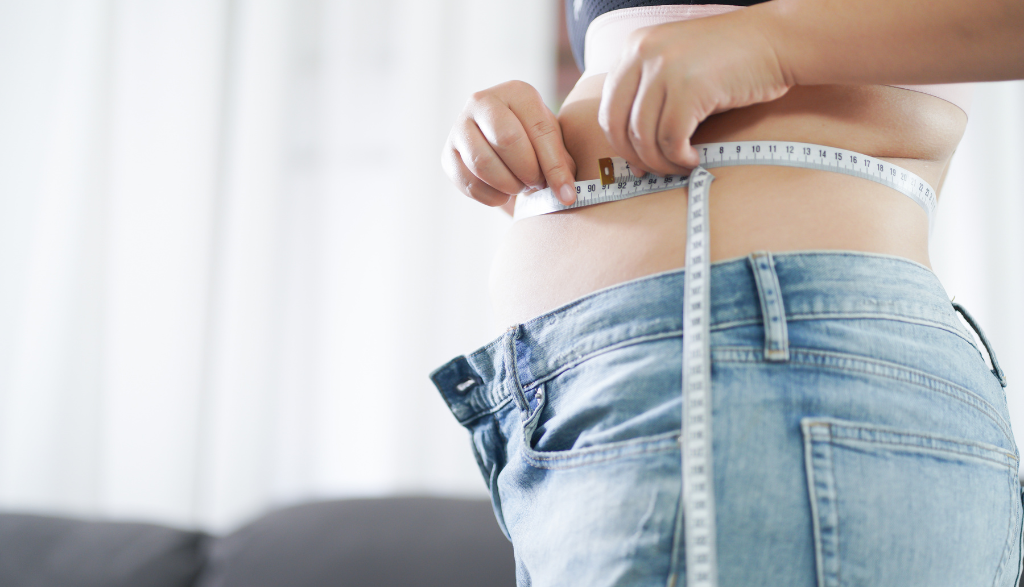
- Take waist measurements.
- Note changes in energy, sleep, and hunger patterns.
- These often change before the scale moves significantly.
Communicate with your provider:
- If nausea is severe or persistent, contact your medical team.
- Never adjust your own dose without guidance.
Starting with Professional Support
Starting tirzepatide without medical supervision is risky. Having a licensed doctor monitor your progress, manage your dose schedule, and answer questions makes a significant difference in your outcomes, and your safety.
TirzepatideRX offers a fully online, physician-supervised program designed exactly for this. A licensed doctor reviews your health history, builds your treatment plan, and stays with you throughout your journey. Medication is delivered to your door every month.
Their plans are designed to fit your timeline:
- Monthly Plan – $399/month: Flexibility with weekly injections, clinical oversight, and no long-term commitment
- 3-Month Plan – $1,125 total: Full supply with quarterly assessments and priority provider access.
- 6-Month Plan – $2,199 total: Maximum savings, bi-monthly check-ins, nutritional guidance, and dedicated premium support.
Start your consultation here and have a doctor guide you through every step of your first month and beyond.
The Bottom Line
What to expect your first month on tirzepatide is this: slow, steady progress — not a dramatic transformation. Your body is adjusting to a powerful new medication. Side effects are usually manageable and temporary. Appetite changes often come first. Weight loss follows.
The first month is the hardest. It requires patience, good eating habits, and consistent support from your medical team. Stick with it; the results that come after Month 1 are well worth it.
Explore more helpful guides on your weight loss journey at the TirzepatideRX blog.
FAQ
What to expect your first month on tirzepatide in terms of weight loss?
Most people lose 2–6% of their body weight in the first month, with more significant results building from months 2–6 onward.
Will the nausea go away?
Yes, for most people, nausea is at its worst in Week 1 and improves significantly by Week 3 as the body adjusts.
When does tirzepatide really start working?
Appetite suppression begins within the first 1–2 weeks; measurable weight loss typically builds from weeks 8–12 onward.
What foods should I avoid in the first month on tirzepatide?
Avoid high-fat, greasy, and spicy foods, these worsen nausea and slow digestion further when combined with tirzepatide.
Should I exercise during the first month?
Light exercise, like walking, is encouraged. It supports fat loss and helps preserve muscle; just avoid intense workouts while your body is still adjusting.
Is it normal to lose very little weight at 2.5 mg?
Absolutely — 2.5 mg is a tolerability dose, not a maintenance dose. Most meaningful weight loss occurs after dose escalation to 5 mg and beyond.
Sources
- FDA – Zepbound (Tirzepatide) Prescribing Information: https://www.accessdata.fda.gov/drugsatfda_docs/label/2023/217806s000lbl.pdf
- SURMOUNT-1 Clinical Trial – Tirzepatide for Obesity (NEJM): https://pubmed.ncbi.nlm.nih.gov/35658024/
- SURMOUNT-4 – Continued Tirzepatide Treatment for Weight Maintenance (JAMA / PMC): https://pmc.ncbi.nlm.nih.gov/articles/PMC10714284/
- Mayo Clinic – Tirzepatide (Subcutaneous Route): https://www.mayoclinic.org/drugs-supplements/tirzepatide-subcutaneous-route/description/drg-20534045
- StatPearls – Tirzepatide Overview (NCBI): https://www.ncbi.nlm.nih.gov/books/NBK585056/
- Eli Lilly – SURMOUNT-1 Topline Results: https://investor.lilly.com/news-releases/news-release-details/lillys-tirzepatide-delivered-225-weight-loss-adults-obesity-or