
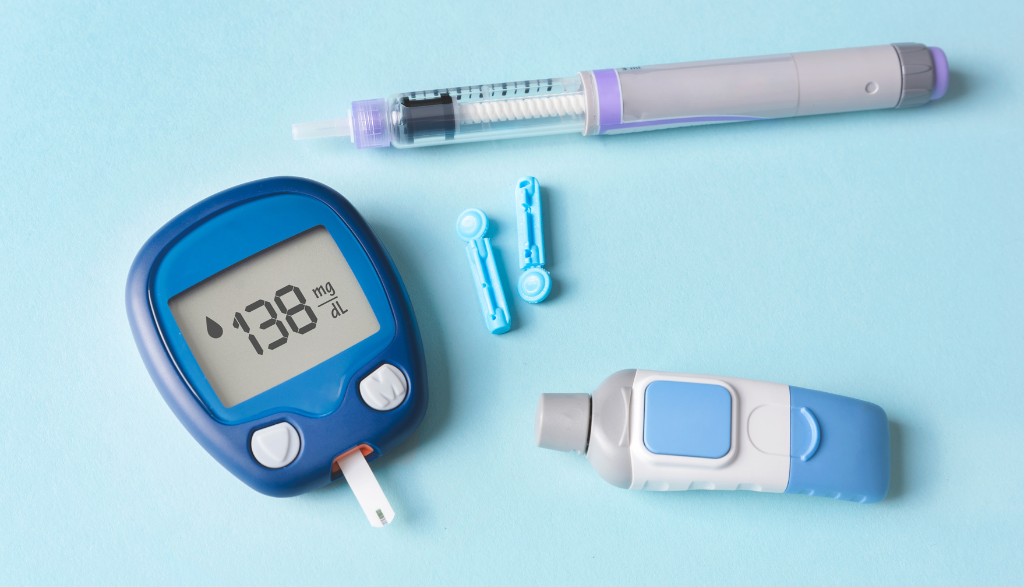

Here’s a situation many patients face: they’re excited about starting tirzepatide, but they’re already taking three, four, maybe five other medications. The question that follows is completely reasonable. Can you take tirzepatide with other medications safely?
The answer isn’t a flat yes or no. It depends on which medications, at what doses, and whether your prescriber has the full picture. Let’s break it down.
The Mechanism Behind the Interactions
Before listing specific drug combinations, it helps to understand why tirzepatide affects other medications in the first place.
Tirzepatide substantially slows gastric emptying, the process by which your stomach pushes food and its contents into the small intestine. This mechanical change affects the absorption of oral medications taken alongside it.
Drugs that depend on rapid or precise absorption from the gut can be affected, sometimes taking longer to work, sometimes being absorbed in lower or higher amounts than expected.
This doesn’t make tirzepatide incompatible with oral medications. It means certain combinations need attention, monitoring, or dose adjustments. Knowing which ones matters.
High-Priority Interactions to Discuss With Your Doctor
Insulin — The Most Critical Pairing
If you currently use insulin and your doctor adds tirzepatide, hypoglycemia becomes an active concern. Here’s why: tirzepatide stimulates your pancreas to release insulin after meals. Stack that on top of injected insulin and blood sugar can drop to dangerous levels.
Your prescriber will almost certainly reduce your insulin dose before or at the time of starting tirzepatide. Never adjust insulin on your own, and check your glucose levels more frequently during the first several weeks.
Signs of low blood sugar include shakiness, cold sweats, confusion, rapid heartbeat, and extreme hunger. Know them. Have fast-acting sugar available.
Sulfonylureas — Another Hypoglycemia Risk
Glipizide, glyburide, glimepiride — these oral diabetes medications work by constantly stimulating insulin secretion from the pancreas, regardless of what you’ve eaten.
That continuous stimulation combined with tirzepatide’s own insulin-boosting effect creates a surplus of insulin in the bloodstream. Blood sugar can crash.
A proactive dose reduction of the sulfonylurea — before hypoglycemia happens — is standard practice when adding tirzepatide. Your physician should handle this automatically, but if they haven’t mentioned it, bring it up.
Oral Contraceptives — An Underappreciated Interaction
This one catches many patients off guard. Tirzepatide’s effect on gastric emptying means that a birth control pill sitting in your slower-moving gut may not be absorbed at the normal rate — particularly when you first start the medication or increase your dose.
The FDA label addresses this directly: women using oral hormonal contraceptives should either switch to a non-oral form or add a barrier method (such as a condom) for at least four weeks after initiation and for four weeks following each dose increase. Once your dose is stable, your regular pill routine should be sufficient.
Failing to account for this can reduce contraceptive effectiveness at a critical time.
Blood Pressure Medications — Watch for the Compounding Effect
Weight loss lowers blood pressure — often meaningfully and quickly. If you’re already on antihypertensive medications, that reduction compounds. Some patients find their previously well-controlled blood pressure drops into a range that causes dizziness, lightheadedness, or fainting — especially when standing up quickly.
Real-world case reports have specifically flagged this in patients using heart failure medications — including beta-blockers, mineralocorticoid receptor antagonists, SGLT2 inhibitors, and angiotensin receptor-neprilysin inhibitors (ARNIs), alongside tirzepatide. Several patients required modification of their heart failure drug regimens after tirzepatide caused symptomatic low blood pressure.
Regular blood pressure checks during the first three months of tirzepatide are a reasonable safeguard for anyone on antihypertensives.
Medications With Narrow Therapeutic Windows
Some drugs only work properly within a very tight concentration range in the blood. Too little and they’re ineffective. Too much and they become toxic. Cyclosporine, used for organ transplant recipients and autoimmune conditions, is the most cited example in tirzepatide’s interaction profile.
Altered absorption timing due to delayed gastric emptying can shift cyclosporine blood levels enough to matter. If you take any medication where levels are routinely monitored with blood tests, immunosuppressants, certain heart medications, thyroid hormone replacement, make sure your prescriber knows tirzepatide is being added.
Other GLP-1 Medications
Combining tirzepatide with semaglutide (Ozempic, Wegovy), liraglutide, or any other GLP-1 receptor agonist is not appropriate. These medications work through overlapping pathways. The FDA is explicit in Zepbound’s label: it should not be used together with other tirzepatide-containing products or any GLP-1 receptor agonist.
Using both does not double the benefit. It does multiply the risk of side effects.
What About Over-the-Counter Products?
Many patients don’t mention vitamins, herbal supplements, or over-the-counter weight-loss aids because they don’t think of them as “real” medications. They are.
The FDA notes that tirzepatide’s safety has not been studied in combination with other weight-management products, prescription or over-the-counter. Herbal supplements marketed for appetite control or metabolism can contain compounds that interact with tirzepatide’s mechanism in unpredictable ways.
Tell your doctor about everything you take, including supplements and anything you buy without a prescription.
Alcohol and Tirzepatide
Alcohol isn’t contraindicated with tirzepatide, but it’s worth managing carefully. Alcohol amplifies nausea which tirzepatide can already produce, especially early in treatment.
It also destabilizes blood sugar, creating risks if you’re simultaneously on glucose-lowering medications. Heavy or regular drinking while on tirzepatide is not advisable.
The Scale of the Interaction Landscape
To appreciate the scope: pharmaceutical interaction databases list more than 427 drugs with known interactions with tirzepatide — 16 classified as major, over 400 as moderate, and a small number as minor. That’s not a reason to panic. Most interactions are manageable with proper dose adjustments and monitoring. It is a reason to be thorough with your medical history when getting a prescription.
Can You Take Tirzepatide With Other Medications Safely? Here’s the Summary
Yes, for most people, with the right oversight. The situations that require the most attention are:
- Concurrent insulin or sulfonylurea use (hypoglycemia risk).
- Oral contraceptive use (absorption timing changes).
- Antihypertensive use (compounded blood pressure reduction).
- Narrow therapeutic index medications (absorption variability).
In each case, the solution isn’t to avoid tirzepatide, it’s to adjust, monitor, and communicate.
A Patient Who Managed It Well
“I was on two blood pressure medications and a statin when I started tirzepatide,” says Kevin, 56, from Florida. “My doctor reduced one of the BP meds after my second month because my pressure had come down so much. I actually ended up on fewer medications overall by month five. You just have to be on top of monitoring.”
Kevin’s outcome, fewer medications, better metabolic health, is something many tirzepatide patients experience. But it requires proactive medical management, not a passive approach.
Why Supervised Programs Matter for Patients on Multiple Medications
TirzepatideRX Online requires a full medication review as part of the intake process before any prescription is written. This isn’t a formality — it’s how the program catches the interactions described above before they become problems.
Once you’re enrolled, your physician monitors your progress and adjusts your plan as your body responds. Weight loss changes your body’s needs over time, and your medication regimen may need to evolve alongside it.
Available plans:
- Monthly at $399/month — weekly injections, physician access, and the ability to cancel whenever you choose.
- 3 months for $1,125 total — a full initial supply, quarterly physician reviews, and priority support.
- 6 months for $2,199 total — the maximum value option, with bi-monthly check-ins, nutrition guidance, and comprehensive medical oversight.
If you’re currently on other medications, speak with a physician first before starting. Browse more medication and health topics at the TirzepatideRX blog.
Frequently Asked Questions
Can you take tirzepatide with other medications safely?
In most cases, yes, but certain combinations — especially with insulin, sulfonylureas, and blood pressure medications- require close monitoring and possible dose adjustments.
Does tirzepatide change how my other pills are absorbed?
Yes, by slowing digestion, tirzepatide can delay or alter the absorption of oral medications, which matters most for drugs with narrow therapeutic windows.
Can I stay on metformin when I start tirzepatide?
Generally, yes; metformin doesn’t independently cause low blood sugar, making this a lower-risk combination that most physicians are comfortable managing.
What should I do if my blood pressure drops too low on tirzepatide?
Contact your prescribing physician promptly; they may reduce your antihypertensive dose, as weight loss can enhance blood pressure control independently.
Is it safe to take tirzepatide with thyroid medication?
Thyroid hormone (levothyroxine) is time-sensitive in its absorption; separate it from your tirzepatide injection day by taking it at a consistent time, and inform your physician so your thyroid levels can be monitored.
Sources
- FDA – Mounjaro Prescribing Information: https://www.accessdata.fda.gov/drugsatfda_docs/label/2023/215866Orig1s002s006lbl.pdf
- Mayo Clinic – Tirzepatide Drug Interactions: https://www.mayoclinic.org/drugs-supplements/tirzepatide-subcutaneous-route/description/drg-20534045
- Drugs.com – Tirzepatide Interaction Database: https://www.drugs.com/drug-interactions/tirzepatide.html
- Journal of the American Pharmacists Association – Tirzepatide and Heart Failure Therapy: https://www.japha.org/article/S1544-3191(23)00306-0/fulltext
- Medscape – Tirzepatide Dosing and Interactions: https://reference.medscape.com/drug/mounjaro-zepbound-tirzepatide-4000264
- PMC – FAERS Safety Data for Tirzepatide 2022–2025: https://pmc.ncbi.nlm.nih.gov/articles/PMC12469573/