

On February 23, 2026, Eli Lilly did something that quietly changed the tirzepatide landscape. The FDA approved a label expansion for Zepbound — officially adding the Zepbound KwikPen 2026 as a new delivery format. One device. Four weekly doses. One full month of treatment.
If you’re currently on tirzepatide and wondering whether to switch — or if you’re just starting out and trying to choose — this is everything you need to know.
What Is the Zepbound KwikPen?
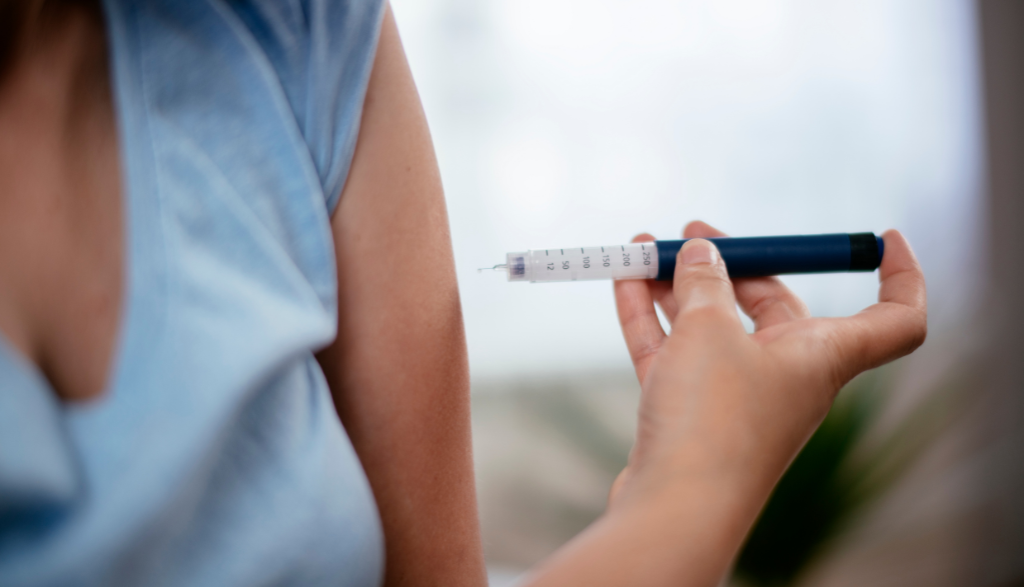
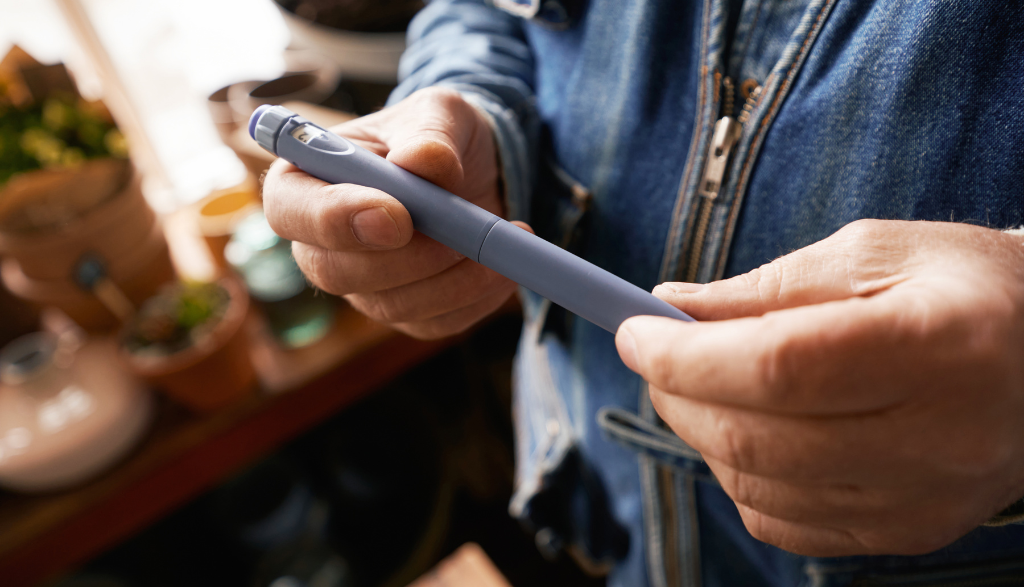
The Zepbound KwikPen 2026 is a multi-dose, single-patient-use injectable pen for tirzepatide. It contains four pre-set doses of tirzepatide in a single device.
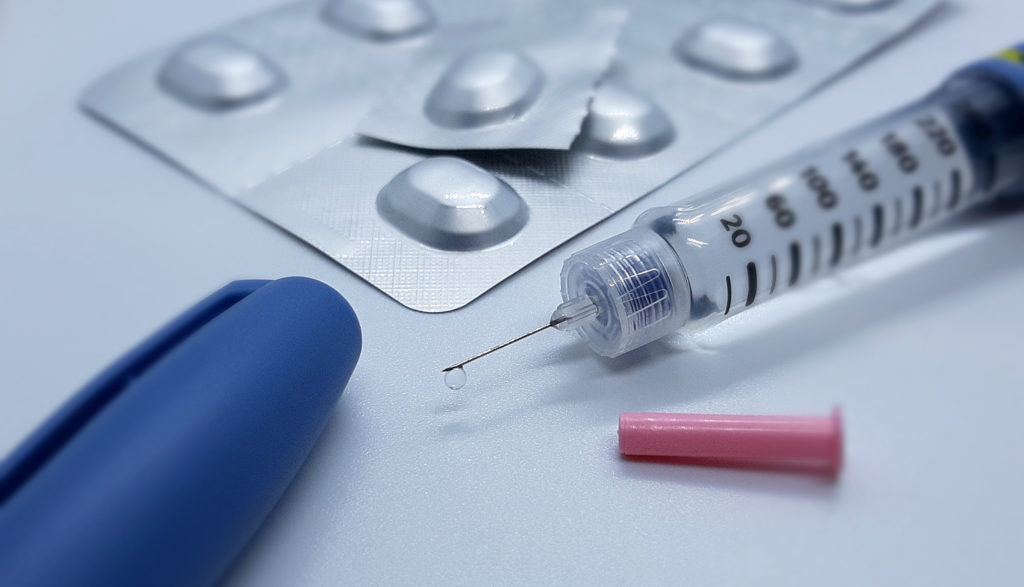
You use one pen per month. Each week, you attach a new KwikPen-compatible needle, prime the pen, and inject your dose. Then you replace the needle cap until next week.
This design is similar to insulin pens that have been used by diabetes patients for decades.
How Is It Different From the Original Zepbound Pen?
This is where many patients get confused.
Original Zepbound Single-Dose Pen:
- One pen = one weekly dose.
- You need four separate pens per month.
- Fully pre-loaded and ready to inject.
- No priming required.
- Auto-injector style — press the button to inject.
- Disposable after each use.
Zepbound KwikPen 2026:
- One pen = four weekly doses (full month).
- Needle attached each time separately.
- Requires priming before every injection (unlike some other GLP-1 pens).
- Dial-style — turn the knob to deliver the dose.
- Used repeatedly throughout the month, then discarded.
- Not recommended for patients with visual impairment.
Important: The KwikPen must never be shared between patients — even with a fresh needle. Sharing poses a serious infection risk.
What About the Formula? Is the Medication the Same?
Almost — with one small difference worth knowing.
Both formats contain the same active ingredient: tirzepatide. The doses are identical across all Zepbound formats. The FDA conducted bioequivalence studies confirming that the KwikPen delivers the same clinical results as the original single-dose pen from the SURMOUNT trials.
However, the KwikPen formulation contains preservatives (benzyl alcohol and phenol) and glycerin not present in the single-dose pens or vials. These are needed to keep the multi-dose medication stable across four weeks.
Most patients will not notice a difference. But anyone with known sensitivities to these excipients should check with their provider before switching.
Pricing: KwikPen vs. Other Zepbound Options
This is where the Zepbound KwikPen 2026 offers real value — at least for self-pay patients.
Self-pay pricing through LillyDirect:
| Dose | Single-Dose Pen (list) | Vial | KwikPen |
| 2.5 mg | ~$1,086/month | $299/month | $299/month |
| 5 mg | ~$1,086/month | $399/month | $399/month |
| 7.5–15 mg | ~$1,086/month | $449–$499/month | $449–$499/month* |
*Promotional pricing at $449 for 7.5–15 mg doses through December 31, 2026.
The KwikPen is priced identically to the vial — but without the manual measuring steps. For self-pay patients who want convenience at a lower price point, the KwikPen is likely the best option.
The KwikPen is also insurance eligible, unlike the vial which is self-pay only through LillyDirect.
Is the KwikPen Actually Better?
That depends on who you ask — and what matters most to you.
The KwikPen is better if:
- You’re self-paying and want needle-free measuring (no syringe required).
- You prefer handling fewer total devices per month.
- You want insurance coverage as an option.
- You’re familiar with dial-style pens from other medications.
The single-dose pen is better if:
- You want the absolute simplest injector with no priming step.
- You have visual impairment.
- You’re a first-time injector who benefits from a fully guided auto-injector experience.
The vial is still worth considering if:
- You’re comfortable drawing with a syringe.
- You don’t need insurance coverage.
- You want the same low price as the KwikPen with maximum flexibility.
A Note on Sustainability
The KwikPen also has an environmental angle that matters to some patients.
Using one device per month instead of four reduces plastic waste from the device components. Eli Lilly has noted this as part of a broader commitment to more sustainable packaging. The company has signaled upcoming packaging redesigns aligned with environmental goals.
This won’t sway every patient’s decision — but it’s worth noting for those it matters to.
One Thing to Remember When Switching
If you’re currently on vials and switching to the KwikPen (or vice versa), ask your provider to update your prescription and confirm your training on the new format. Each format has different priming and injection steps.
Your dose stays exactly the same when switching formats. Only the delivery mechanism changes.
Getting Tirzepatide With Expert Support
Whether you use a pen, vial, or KwikPen, physician oversight ensures you’re on the right dose and progressing safely.
TirzepatideRX provides a telehealth-based tirzepatide program with licensed physician supervision. Home delivery, weekly injections, and ongoing support are all included.
Three pricing plans make it accessible at different commitment levels:
- Monthly: $399/month — weekly tirzepatide, monitoring, no long-term commitment.
- 3-Month: $1,125 total — full supply, quarterly assessments, priority response.
- 6-Month: $2,199 total — greatest value, bi-monthly reviews, nutritional coaching.
Get started here or explore more resources on the TirzepatideRX blog.
Frequently Asked Questions
What is the Zepbound KwikPen 2026?
The Zepbound KwikPen is a multi-dose pen launched February 23, 2026, that holds four weekly doses of tirzepatide in a single device for one month of treatment.
Is the KwikPen the same medication as the Zepbound pen?
Yes — the same tirzepatide, same doses; the KwikPen formula includes preservatives for stability across multiple doses but delivers bioequivalent results.
Does the KwikPen need to be primed before each injection?
Yes — unlike some other injectable pens, the Zepbound KwikPen must be primed before every weekly injection.
Can I share my KwikPen with a family member?
Absolutely not — the KwikPen is for single-patient use only, and sharing poses a serious risk of infection even with a new needle.
Is the KwikPen covered by insurance?
Yes — unlike vials (which are self-pay only), the KwikPen can be covered by commercial insurance plans.
Sources
- FDA Label Expansion — Zepbound KwikPen: https://www.accessdata.fda.gov/drugsatfda_docs/label/2026/217806s002lbl.pdf
- Eli Lilly KwikPen Launch Press Release: https://investor.lilly.com/news-releases/news-release-details/zepbound-tirzepatide-most-prescribed-weight-management
- LillyDirect KwikPen Announcement: https://www.lilly.com/lillydirect/announcing-zepbound-kwikpen
- Zepbound Prescribing Information: https://www.accessdata.fda.gov/drugsatfda_docs/label/2026/217806s002lbl.pdf