
If you’ve been using compounded tirzepatide, you may already know the landscape has changed. In October 2024, the FDA removed tirzepatide from its drug shortage list. By March 2025, a federal court sided with the FDA — officially ending large-scale compounding of tirzepatide.
That means thousands of patients now need to transition to a brand-name option.
Switching From Compounded to Brand Tirzepatide is not as complicated as it sounds. But it does require a few careful steps. This guide will walk you through all of them.
What’s the Difference Between Compounded and Brand Tirzepatide?
Both versions contain tirzepatide as the active ingredient. But there are key differences:
| Feature | Compounded Tirzepatide | Brand-Name (Zepbound/Mounjaro) |
| FDA Approved | ❌ No | ✅ Yes |
| Standardized Dose | ❌ Varies by pharmacy | ✅ Fixed, tested doses |
| Insurance Eligible | ❌ Rarely | ✅ Possible with commercial plans |
| Quality Oversight | ❌ Not FDA-verified | ✅ Rigorous manufacturing standards |
The FDA documented over 480 adverse event reports linked to compounded GLP-1 medications. That’s one big reason the switch matters.
Step 1: Talk to Your Doctor or Telehealth Provider First
Don’t switch on your own. Your provider needs to:
- Review your current dose and schedule.
- Determine whether you need a washout period.
- Map your compounded dose to the closest FDA-approved equivalent.
- Write a new prescription for Zepbound or Mounjaro.
Important: Compounded tirzepatide doses don’t always match brand-name doses exactly. Your doctor will help you find the closest starting point.
Most providers recommend starting at 2.5 mg or 5 mg of brand tirzepatide, even if you were on a higher compounded dose. This helps your body adjust and reduces side effects.
Step 2: Understand Your Brand-Name Options
There are two FDA-approved forms of tirzepatide:
Zepbound (for weight loss)
- Approved by the FDA for chronic weight management.
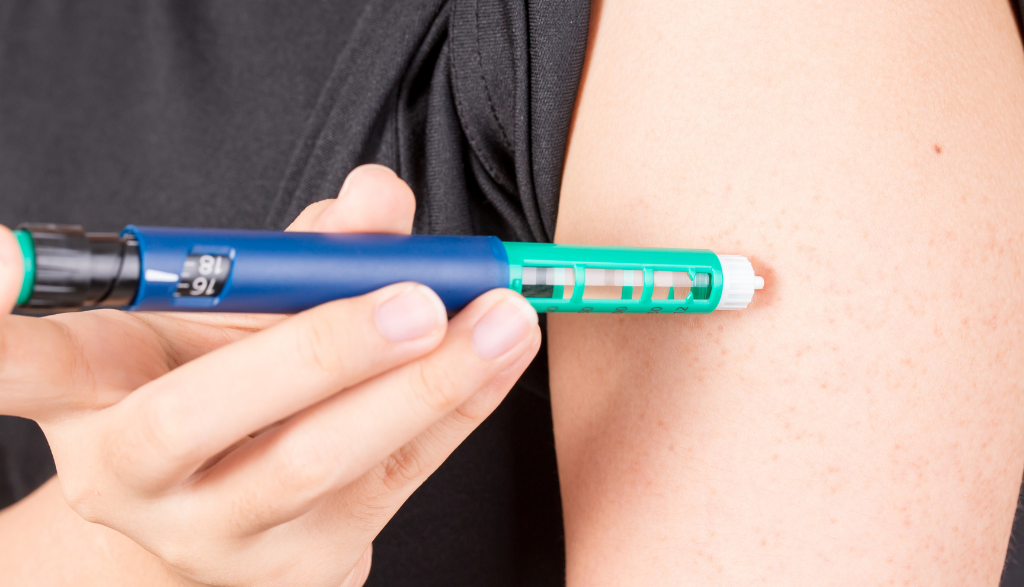
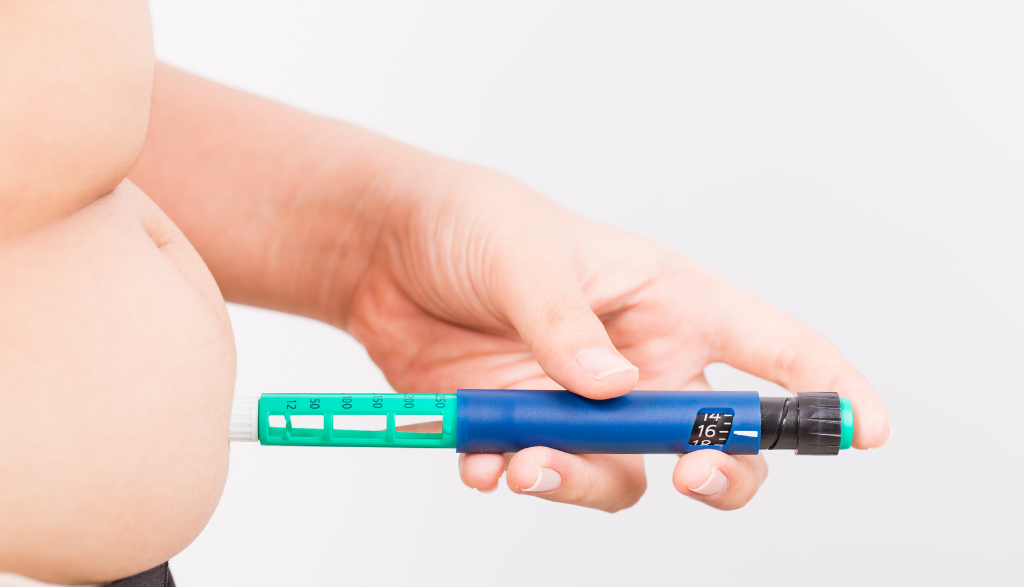
- Available as single-dose vials and prefilled pens (KwikPen).
- Can be purchased through LillyDirect without insurance.
Mounjaro (for type 2 diabetes)
- FDA-approved for blood sugar management.
- Often prescribed off-label for weight loss.
- May have better insurance coverage for diabetes patients.
If your goal is weight loss, Zepbound is typically the right choice.
Step 3: Check Your Insurance Coverage
Before filling your prescription, call your insurance provider. Ask:
- Does my plan cover Zepbound or Mounjaro?
- Is prior authorization required?
- What’s my copay?
If you have commercial insurance and Zepbound is covered, you may qualify for the Lilly Savings Card, which can bring your cost down to as little as $25/month.
If you’re uninsured or your plan doesn’t cover it, skip to Step 4.
Step 4: Explore the LillyDirect Self-Pay Option
No insurance? No problem. Eli Lilly’s LillyDirect program offers Zepbound single-dose vials at significantly reduced cash prices:
- 2.5 mg → $299/month
- 5 mg → $399/month
- 7.5 mg–15 mg → $449/month (when refilled within 45 days)
These vials require a syringe to draw and inject — but the savings can be substantial. As of late 2025, LillyDirect also partnered with Walmart pharmacies for in-store pickup at the same price.
Note: These are self-pay prices for single-dose vials only. Prefilled pens have different pricing and are generally only discounted with commercial insurance.
Step 5: Get Your Prescription Ready
Once you and your provider have agreed on a dose and format, your prescription will be sent to:
- A retail pharmacy (for Zepbound pens, if covered by insurance)
- LillyDirect (for self-pay vials or KwikPens)
If switching from a telehealth platform that offered compounded tirzepatide, you’ll need to make sure your new provider can send prescriptions to an appropriate pharmacy.
Many patients find that working with a physician-supervised telehealth program makes this transition smoother — because your provider handles the prescription routing, follow-ups, and dose adjustments for you.
Step 6: Prepare for the Adjustment Period
Even if you tolerate compounded tirzepatide well, starting brand tirzepatide can feel like starting fresh. Here’s what to expect:
Weeks 1–2: Mild GI symptoms (nausea, bloating) are common as your body adjusts to the new formulation and dose.
Weeks 3–4: Side effects usually improve. Appetite suppression typically kicks in within the first month.
Month 2+: Your provider will review your progress and may increase your dose based on tolerance.
Don’t be discouraged if progress feels slower at first. Your body needs time to recalibrate.
Step 7: Set Up Ongoing Support and Monitoring
Switching medications isn’t just a one-time event. You’ll need:
- Regular check-ins with your provider (at least monthly at first)
- Monitoring for side effects
- Dose adjustments over time
- Support for lifestyle habits like diet and movement
This is where a structured program makes a real difference.
How TirzepatideRX Online Makes the Transition Easier
If you’re looking for physician-supervised support during your switch, TirzepatideRX Online offers a fully remote weight loss program built around once-weekly tirzepatide injections.
Their program includes online consultations, a personalized treatment plan, home delivery of medication, and ongoing medical support — everything you need to make Switching From Compounded to Brand Tirzepatide as seamless as possible.
Pricing options include:
- Monthly Plan – $399/month (weekly injections, monitoring, cancel anytime).
- 3-Month Plan – $1,125 total (full medication supply, quarterly assessments, priority support).
- 6-Month Plan – $2,199 total (maximum savings, bi-monthly check-ins, nutritional guidance).
You can start your program here or browse more resources on their blog.
Common Mistakes to Avoid During the Switch
❌ Don’t stop abruptly without a plan. GLP-1 medications work best with consistent use. Gaps can slow your progress.
❌ Don’t assume doses are interchangeable. Always ask your provider how to convert your compounded dose.
❌ Don’t skip the adjustment period. New formulations, even with the same ingredient, can feel different at first.
❌ Don’t buy tirzepatide from unverified online sources. The FDA has flagged many unsafe, counterfeit products.
Real-World Example: What One Patient Experienced
Maria, 42, had been on compounded tirzepatide through a telehealth clinic for 8 months. When her pharmacy stopped offering it, she worked with her physician to switch to Zepbound 5 mg via LillyDirect.
“The first two weeks were rough — a little nausea and bloating. But by week four, I felt the same appetite control I had before. My doctor helped me know exactly what to expect. I’m glad I made the switch to something FDA-approved.”
Frequently Asked Questions
Do I need to wait before starting brand tirzepatide after stopping compounded?
In most cases, you can start brand tirzepatide at your next scheduled weekly dose, but your provider will confirm based on your history.
Will brand tirzepatide work the same as compounded?
It contains the same active ingredient, though brand-name versions are standardized for quality and consistency.
Is Zepbound covered by Medicare?
Medicare generally does not cover Zepbound for weight loss alone; check with your plan for the most current coverage details.
What if I can’t afford brand tirzepatide?
The LillyDirect self-pay program starts at $299/month for Zepbound vials, and commercial insurance holders may pay as little as $25/month with the Lilly Savings Card.
Can I still get compounded tirzepatide?
As of March 2025, large-scale compounding of tirzepatide is no longer legally permitted; consult your provider for approved alternatives.
Sources
- Eli Lilly — Zepbound Savings & Self-Pay Information: https://zepbound.lilly.com/savings
- FDA — Zepbound (Tirzepatide) Prescribing Information: https://www.accessdata.fda.gov/drugsatfda_docs/label/2024/217806s003lbl.pdf
- National Institutes of Health — Tirzepatide Clinical Trial Data (SURMOUNT): https://pubmed.ncbi.nlm.nih.gov/
- HHS — Telehealth Prescribing Policies: https://telehealth.hhs.gov/providers/telehealth-policy/telehealth-policy-updates