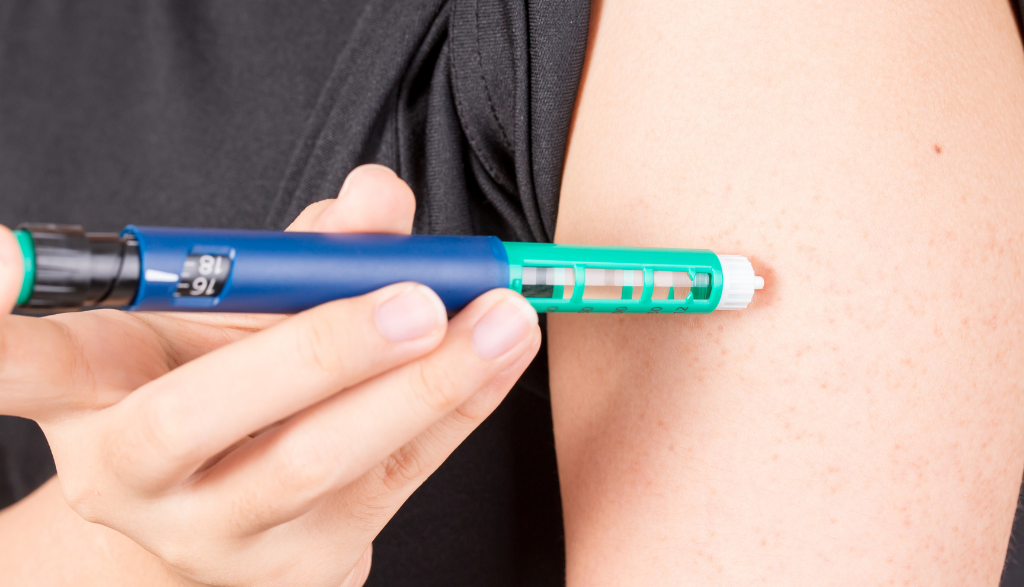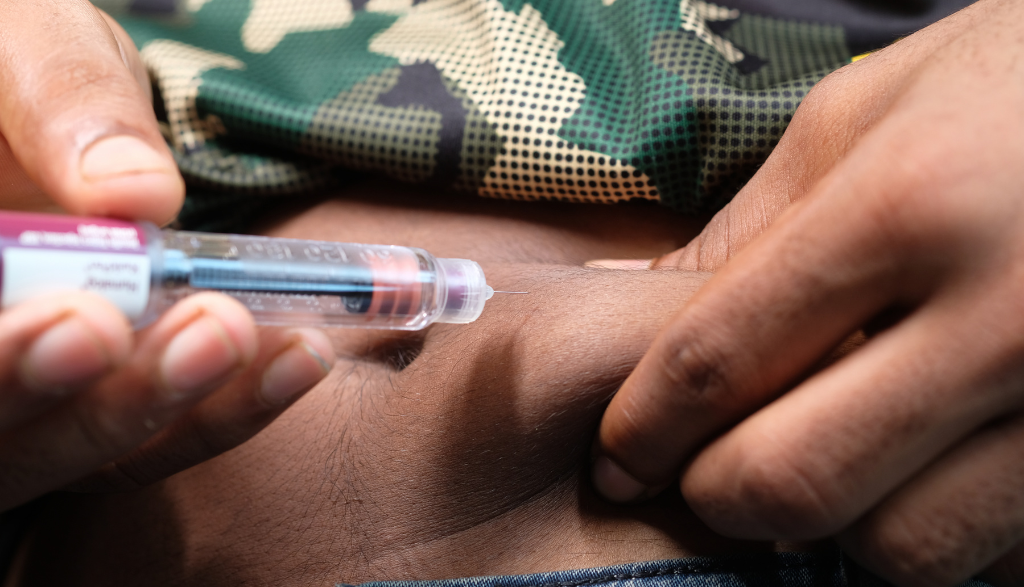

One of the most common questions people ask when starting a weight-loss medication is: Do You Really Need to Stay on Tirzepatide Forever? It’s a fair question. You’re losing weight, feeling better — but do you have to take a weekly injection for the rest of your life? The short answer is: it depends. Let’s break down what the science says and what your options really are.
What Tirzepatide Actually Does in Your Body
Tirzepatide works by mimicking two hormones — GLP-1 and GIP — that your gut naturally releases after eating. These hormones help control appetite, slow digestion, and regulate blood sugar. The drug doesn’t permanently rewire your brain or metabolism. When you stop taking it, these effects stop too.
That’s why doctors classify obesity as a chronic condition — similar to high blood pressure or diabetes. Just like those conditions need ongoing treatment, obesity often does too.
What the Research Says About Stopping Tirzepatide
The SURMOUNT-4 clinical trial gave us clear answers. Participants lost an average of 20.9% of their body weight over 36 weeks. Then, half switched to a placebo. Those who stopped the medication regained an average of 14% of their weight within a year. Those who continued lost an additional 5.5%.
In simple terms, when you stop, the hunger signals come back. The medication isn’t a cure — it’s a management tool.
Does That Mean You Have to Take It Forever?
Not necessarily. Here are the realistic paths most people take:
Option 1: Long-Term Maintenance Dosing
Many patients stay on a lower maintenance dose after reaching their goal weight. This keeps the appetite-suppressing effects working without the full weight-loss intensity. It’s the approach most doctors recommend for people with a history of obesity.
Option 2: Gradual Tapering With Lifestyle Changes
Some patients — especially those who build strong habits around diet and exercise — can slowly reduce their dose and eventually stop. This works best when someone has maintained their weight for over a year and has an active lifestyle. However, this should only be done under medical supervision.
Option 3: Stopping Completely
Research shows that patients who stop tirzepatide can still retain around 10% of their original weight loss after one year, especially if they’ve adopted healthy habits. It’s not a total reset. But most people do experience some regain without continued support.
Real Patient Experience: What Happens After Goal Weight?
Take the case of Maria, a 44-year-old teacher who lost 55 lbs on tirzepatide over 14 months. After reaching her goal, she and her doctor decided to reduce her dose from 15mg to 5mg. Eighteen months later, she has maintained 90% of her weight loss — and credits the combination of medication and a consistent walking habit.
Stories like Maria’s highlight that medication doesn’t have to be all-or-nothing. A personalized plan is key.
5 Signs You May Be Ready to Consider Reducing Your Dose
- You’ve maintained your goal weight for 12+ months.
- You have a consistent exercise routine.
- You’ve changed your eating habits long-term.
- Your doctor confirms your metabolic markers are stable.
- You have no underlying conditions that require continued medication.
Tips for Maintaining Weight Loss If You Stop
- Establish a weekly exercise routine before stopping.
- Shift to a diet low in processed foods and high in protein.
- Track your weight weekly so you can catch any regain early.
- Stay in regular contact with your healthcare provider.
- Consider short “booster cycles” of treatment if weight creeps back.
Getting Support That Fits Your Life
If you’re unsure about your long-term plan, working with a physician-supervised program can make a real difference. TirzepatideRX offers a fully remote weight-loss program built around weekly Tirzepatide injections, personalized dosing, and regular medical check-ins — all from home.
Their plans include:
- Monthly Plan ($399/month): Weekly injections, active monitoring, flexible cancellation
- 3-Month Plan ($1,125 total): Full medication supply, quarterly assessments, priority support
- 6-Month Plan ($2,199 total): Maximum savings, bi-monthly check-ins, nutritional guidance included
This kind of ongoing physician oversight is exactly what helps patients make smart, safe decisions about dose adjustments and long-term medication use. You can start your journey here.
What Your Doctor Will Consider
Your doctor won’t recommend stopping or continuing based on a simple rule. They’ll look at:
- Your original reason for starting (diabetes management vs. weight loss)
- How much weight you’ve lost and maintained
- Your current metabolic health markers
- Your lifestyle habits
- Your personal preferences and quality of life
Final Thoughts
Do You Really Need to Stay on Tirzepatide Forever? There’s no single answer. For many people, some form of ongoing use — even at a low maintenance dose — is the most effective long-term approach. For others, a gradual taper combined with lifestyle changes can work. What matters most is that this decision is made with a qualified provider, based on your health, habits, and goals.
For more helpful articles on managing your weight-loss journey, visit the TirzepatideRX blog.
Frequently Asked Questions
Will I regain all my weight if I stop Tirzepatide?
Research shows most people regain a significant portion, but those with strong lifestyle habits typically retain some of their weight loss.
Is it safe to take Tirzepatide for years?
Clinical trials have shown it can be used safely for up to 72–88 weeks, and ongoing studies suggest longer-term use is well-tolerated under medical supervision.
Can I lower my dose after reaching my goal weight?
Yes — many patients transition to a lower maintenance dose, which can help preserve weight loss with fewer side effects.
What is maintenance dosing?
Maintenance dosing means continuing Tirzepatide at a lower dose after reaching your goal weight to help the body maintain its new set point.
Does Tirzepatide change your metabolism permanently?
No — the metabolic effects are active only while you’re taking the medication; they reverse after stopping.
Sources
- SURMOUNT-4 Trial – JAMA (2024): https://pmc.ncbi.nlm.nih.gov/articles/PMC10714284/
- Weill Cornell Medicine – Tirzepatide Discontinuation Study: https://news.weill.cornell.edu/news/2023/12/tirzepatide-enhances-weight-loss-with-sustained-treatment-but-discontinuation-leads-to
- FDA – Zepbound Prescribing Information: https://www.accessdata.fda.gov/drugsatfda_docs/label/2025/217806Orig1s020lbl.pdf
- NEJM – SURMOUNT-1 Trial: https://www.nejm.org/doi/full/10.1056/NEJMoa2206038