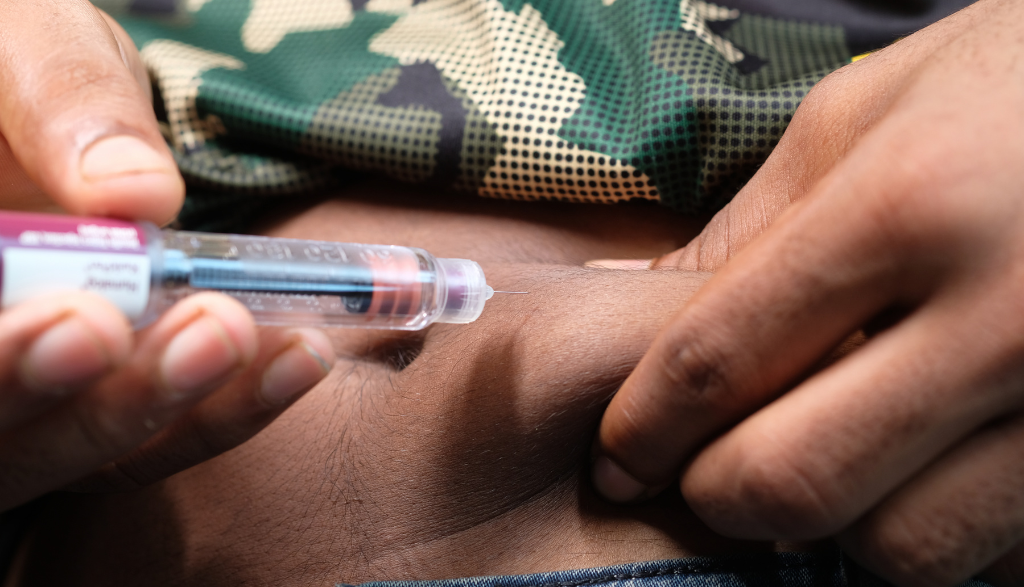
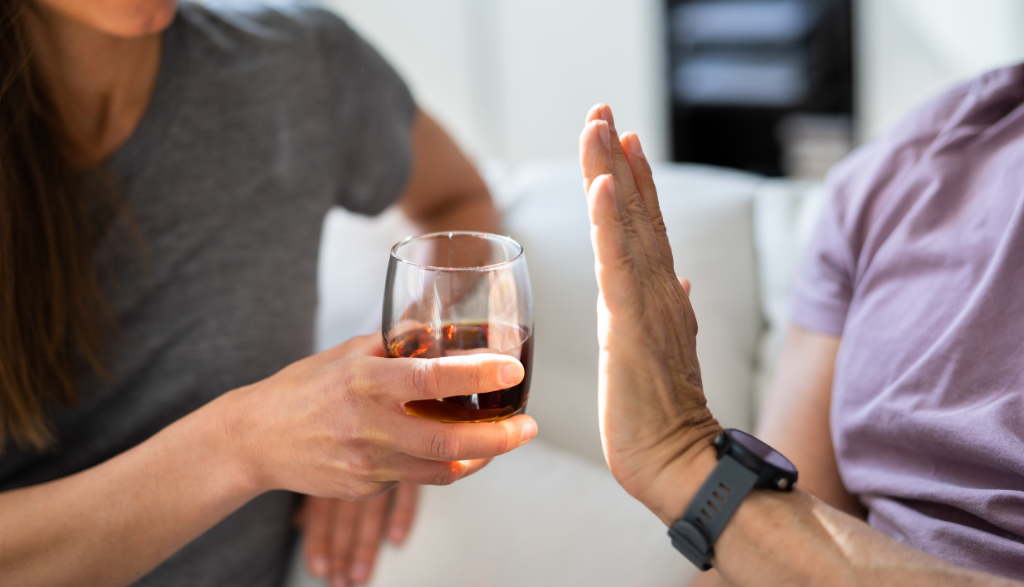

Most people starting Tirzepatide ask their doctor about food, exercise, and dosing. Very few ask about drinking. And that’s exactly the problem. Tirzepatide and alcohol can create a combination that is more complicated than most patients expect. There’s no hard “do not drink” rule on the label. But there are real risks that don’t always make it into conversations at the pharmacy counter or the clinic.
This article explains what is actually happening in your body, what the research says, and what to watch for.
Why the Conversation About Alcohol Gets Skipped
When a new medication comes to market, the focus tends to be on the big side effects — nausea, weight loss, and blood sugar control. The more nuanced risks, like how alcohol interacts with your changed physiology, often get left out of early conversations.
Tirzepatide changes how your body handles food and liquid. That includes alcohol. Yet many patients go months without anyone raising the topic. A 2024 pharmacovigilance review noted that lifestyle interaction risks with GLP-1 type medications are consistently underreported in patient counseling.
The result? People drink the same way they always have — not realizing the rules have quietly changed.
How Tirzepatide Changes the Way Alcohol Hits You
Here’s what matters to understand first: Tirzepatide slows down gastric emptying. Your stomach holds food and liquid longer than it did before you started the medication.
When you drink alcohol, it moves more slowly through your digestive system. This means:
- Alcohol is absorbed more slowly but more unpredictably
- Your body may process it differently than you expect
- Your tolerance to alcohol may feel lower than before
- Effects like dizziness, nausea, or intoxication can come on stronger
Patients often report feeling the effects of one or two drinks the way they used to feel three or four. This shift can be disorienting — especially because it happens quietly without a formal warning.
The Hidden Risks Nobody Talks About
1. Low Blood Sugar (Hypoglycemia)
Mayo Clinic notes that alcohol can cause severe low blood sugar when combined with diabetes medications. Tirzepatide itself rarely causes hypoglycemia on its own. But if you’re also taking insulin or a sulfonylurea, the combination of alcohol and tirzepatide can push blood sugar to dangerous levels.
The tricky part: low blood sugar symptoms can mimic alcohol intoxication — shakiness, confusion, slurred speech. You might not realize your blood sugar is dropping until it becomes an emergency.
2. Pancreatitis Risk
Both heavy alcohol use and tirzepatide carry a separate risk of pancreatitis (inflammation of the pancreas). Using both together doesn’t guarantee a problem, but it does increase the total risk. If you already have a history of pancreatitis, your doctor may strongly advise avoiding alcohol entirely.
Signs of pancreatitis include severe stomach pain that spreads to the back, fever, and vomiting. This is a medical emergency.
3. Worsened Nausea and Digestive Symptoms
Nausea is one of the most common side effects of tirzepatide — especially in the early weeks or after a dose increase. Alcohol is a known stomach irritant. It increases acid production and relaxes the esophageal sphincter. Combine the two, and you can trigger intense nausea, vomiting, heartburn, and acid reflux — even from a moderate amount of alcohol.
4. Dehydration
Both tirzepatide and alcohol are dehydrating. Tirzepatide can cause diarrhea or vomiting as side effects, which already depletes fluids. Alcohol further reduces your body’s ability to retain water. Together, you can become dehydrated much faster than expected. This puts extra strain on your kidneys.
5. Slowed Weight Loss Progress
Alcohol contains empty calories that work against your weight loss goals. When your inhibitions drop, you’re also more likely to eat more than planned. Combined with tirzepatide’s appetite suppression, this creates a mismatch — your brain wants food, but your stomach is not prepared to handle it comfortably.
A Patient’s Experience
Marcus, a 45-year-old in a physician-supervised weight loss program, shared this:
“I had a few beers at a barbecue two months into my Zepbound program. Two beers, and I felt completely off — dizzy, nauseated, almost sick. My provider told me afterward that my stomach is just processing things differently now. I wish someone had told me earlier.”
His experience is common. The medication works. But it changes the rules of how your body responds to alcohol.
Emerging Research: Can Tirzepatide Reduce Alcohol Cravings?
This is one of the more surprising findings coming out of recent research. Some early studies — including animal research published in peer-reviewed journals — suggest that GLP-1 and GIP receptor agonists like tirzepatide may reduce the brain’s reward response to alcohol. This could mean reduced cravings for some patients.
Many people on tirzepatide report that they simply lose interest in drinking. Researchers believe this may relate to how the medication interacts with the brain’s dopamine reward system. This is an active area of research, not a confirmed clinical benefit — but it is worth knowing about.
Safe Drinking Guidelines While on Tirzepatide
If you do choose to drink, these steps can reduce your risk:
- Always eat before drinking. Never drink on an empty stomach while on tirzepatide.
- Start with less than you normally would. Your tolerance has likely changed.
- Drink water between alcoholic beverages to stay hydrated.
- Avoid drinking on injection day — this is when nausea risk is already highest.
- Monitor your blood sugar if you have type 2 diabetes, before, during, and after drinking.
- Stick to general guidelines: No more than one drink per day for women; two for men.
- Keep fast-acting glucose nearby if you use insulin alongside tirzepatide.
Getting Support That Covers the Full Picture
A good telehealth weight loss program doesn’t just hand you a prescription. It covers the lifestyle factors that matter — including how alcohol fits into your treatment.
TirzepatideRX Online provides physician-supervised care with weekly Tirzepatide injections, personalized treatment planning, home delivery, and ongoing provider check-ins. Their team helps patients navigate exactly the kind of real-life questions that don’t always come up in a five-minute clinic visit.
Their care is available through three flexible pricing options:
- Monthly – $399/month: Weekly injections, continuous monitoring, cancel anytime.
- 3-Month – $1,125 total: Full supply, quarterly assessments, priority support.
- 6-Month – $2,199 total: Best value, bi-monthly check-ins, nutrition coaching, premium support.
Want to ask a provider directly about Tirzepatide and alcohol, and how it fits your specific situation? Start your consultation here or read more expert-reviewed content on the blog.
Frequently Asked Questions (FAQ)
Can I drink any alcohol while on tirzepatide?
Moderate alcohol is not strictly forbidden, but tirzepatide changes how your body processes it, so caution and reduced intake are strongly recommended.
Why do I feel drunk faster on tirzepatide?
Tirzepatide slows gastric emptying, which alters how quickly alcohol enters your bloodstream and affects you.
Is it dangerous to drink on injection day?
It is riskier — nausea is at its peak around injection time, and alcohol can significantly worsen it.
Will alcohol stop tirzepatide from working?
Alcohol itself doesn’t block tirzepatide, but empty calories and increased appetite from drinking can slow your weight loss results.
Can tirzepatide help with alcohol addiction?
Early research is promising, but tirzepatide is not currently approved or prescribed to treat alcohol use disorder.
Sources
- Mayo Clinic – Tirzepatide Drug Interactions Including Alcohol: https://www.mayoclinic.org/drugs-supplements/tirzepatide-subcutaneous-route/description/drg-20534045
- Drugs.com – Tirzepatide Alcohol and Food Interactions: https://www.drugs.com/food-interactions/tirzepatide.html
- PubMed Central – Tirzepatide Reduces Alcohol Drinking in Rodents: https://pmc.ncbi.nlm.nih.gov/articles/PMC12808897/
- National Institute on Alcohol Abuse and Alcoholism – Alcohol and Medication Interactions: https://www.niaaa.nih.gov/publications/brochures-and-fact-sheets/harmful-interactions-mixing-alcohol-with-medicines
- FDA – Zepbound Prescribing Information: https://www.accessdata.fda.gov/drugsatfda_docs/label/2023/217806s000lbl.pdf