
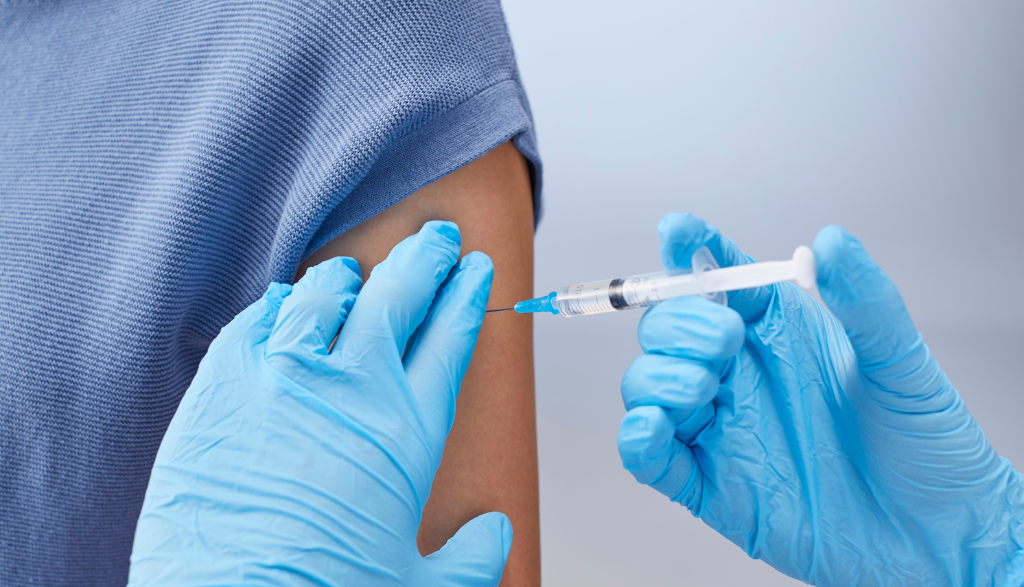

Giving yourself a weekly injection sounds simple. But small mistakes happen. One of the most common concerns among tirzepatide users is accidentally injecting into muscle tissue instead of fat. Tirzepatide Injection Into Muscle is not something that is openly discussed enough — yet it can affect how well the medication works and how your body reacts.
How Tirzepatide Is Supposed to Be Injected
Tirzepatide (sold as Mounjaro and Zepbound) is only approved for subcutaneous injection. That means the shot goes into the fatty layer just beneath the skin — not into muscle.
The three approved injection sites are:
- Abdomen — at least 2 inches from the belly button
- Front or outer thigh
- Back of the upper arm — usually done with caregiver assistance
You should rotate sites with each weekly dose. Never reuse the exact same spot back to back.
According to Mayo Clinic’s tirzepatide guidelines, the injection must go under the skin, and the pen should be placed flat against the skin before pressing the button.
What Happens If You Inject Tirzepatide Into Muscle?
When you inject tirzepatide into subcutaneous fat, it absorbs slowly and steadily — over 8 to 72 hours. This slow release is what gives the medication its smooth, week-long effect.
Muscle tissue is different. It has a much richer blood supply than fat tissue. So when tirzepatide enters the muscle, it is absorbed much faster than intended.
This rapid absorption can lead to:
- A stronger, quicker onset of the medication’s effects.
- More intense nausea or gastrointestinal symptoms early on.
- Unpredictable blood sugar fluctuations.
- A shorter effective duration, meaning the drug may “wear off” faster.
- More soreness, bruising, or tenderness at the injection site.
A Tirzepatide Injection Into Muscle does not necessarily cause serious harm in a single instance. But it changes how the medication performs — and how your body tolerates it.
Why Injection Site Matters So Much
All clinical trial data for tirzepatide — every study used to prove its safety and effectiveness — was based on subcutaneous injections. Not intramuscular ones.
That means there is no research supporting intramuscular use. The drug is not designed, tested, or approved for that route.
According to the FDA prescribing information via MedlinePlus, subcutaneous delivery is the only studied and approved method. Changing the delivery route changes everything about how the drug behaves.
Real-world safety data published in PMC (analyzing FDA FAERS reports from 2022–2025) found that injection site reactions were the second most common adverse event category, with over 19,000 reports filed. These included pain, bruising, redness, and bleeding — many of which stem from improper technique.
Specific Risks of Intramuscular Injection
Let us be specific about what can go wrong:
1. Increased Gastrointestinal Side Effects
Faster drug absorption means your body gets hit with a bigger dose more quickly. This can cause worse nausea, vomiting, or abdominal discomfort than you would normally experience.
2. More Pain at the Injection Site
Muscle tissue is more sensitive than subcutaneous fat. Injecting into muscle typically hurts more and can leave lasting soreness.
3. Risk of Hitting a Blood Vessel or Nerve
Muscle tissue is more vascular. There is a greater chance of accidentally nicking a blood vessel, which can cause bruising or a hematoma (a collection of blood under the skin). Hitting a nerve, though rare, can cause temporary numbness or sharp pain.
4. Unpredictable Blood Sugar Control
For diabetic users, a faster absorption spike followed by a quick drop-off can cause erratic glucose levels — similar to what happens when insulin is accidentally injected into muscle instead of fat.
5. Reduced Overall Efficacy
Subcutaneous fat provides the slow, controlled release of tirzepatide needed to work properly over a full week. Muscle injection disrupts that mechanism.
What to Do If You Accidentally Inject Into a Muscle
Step 1: Stay calm. One accidental intramuscular injection is unlikely to cause serious harm.
Step 2: Monitor your symptoms. Watch for any of the following over the next 24–48 hours:
- Unusual or severe nausea or vomiting.
- Significant pain or swelling at the injection site.
- Signs of bruising or a hematoma forming.
- Dizziness or sudden changes in blood sugar levels.
Step 3: Stay hydrated. Drinking more water can help reduce the severity of GI symptoms triggered by faster absorption.
Step 4: Call your healthcare provider. Especially if your symptoms are severe or do not improve within a day or two, do not try to self-manage serious side effects.
Step 5: Do not inject an extra dose. Even if you are worried the medication did not work correctly, do not add a second dose. Wait until your regular injection day.
How to Avoid This Mistake in the Future
Getting your technique right takes a bit of practice. Here are the key steps:
- Pinch the skin before injecting — especially if you are lean. This lifts the fat layer away from the muscle beneath it.
- Use the correct needle length as prescribed. Longer needles are more likely to reach the muscle.
- Press the pen flat against the skin — not at an angle.
- Choose areas with more fat — the abdomen is usually safest for most people.
- Rotate sites weekly to prevent skin changes or hardening that might alter absorption.
If you are unsure about your technique, ask your doctor or pharmacist to review it with you. Many telehealth programs offer video consultations to walk through injection guidance.
A Real Example: What One Patient Experienced
Mark, a 44-year-old using tirzepatide for Type 2 diabetes, accidentally injected it into his outer thigh muscle during his third week on the medication. He noticed significantly worse nausea within a few hours and mild soreness that lasted two days.
After calling his doctor, he was advised to rest, hydrate, and skip his usual evening walk. By the next day, his symptoms had settled. He switched to abdominal injections going forward and has had no issues since.
His experience is common. Awareness is the best prevention.
Managing Your Tirzepatide Journey with Medical Support
If you are managing tirzepatide on your own without proper guidance, mistakes are more likely. That is why physician-supervised programs make a real difference.
TirzepatideRX Online connects you with licensed physicians who provide personalized injection guidance, dosing support, and ongoing monitoring — all from your home. Patients receive weekly tirzepatide shipped directly to their door, with a care team available to answer exactly these kinds of questions.
Their pricing is straightforward and transparent:
- Monthly – $399: Flexible, cancel anytime, includes weekly injections and monitoring.
- 3-Month – $1,125: Full supply with quarterly assessments and priority support.
- 6-Month – $2,199: Maximum savings with bi-monthly check-ins, premium support, and nutritional coaching.
Browse more helpful tirzepatide guides and clinical insights at TirzepatideRX Blogs, or start your care plan today.
Frequently Asked Questions (FAQ)
Is it dangerous to inject tirzepatide into the muscle?
A single accidental intramuscular injection is unlikely to be dangerous, but it can cause stronger side effects and reduced drug efficacy.
How do I know if I injected into muscle instead of fat?
You may feel more pain, see more bruising, or experience stronger nausea than usual shortly after the injection.
Can I re-inject if I think the shot went into the muscle?
No — do not add another dose; contact your healthcare provider instead.
Which injection site is safest to avoid muscle injection?
The abdomen (at least 2 inches from the navel) is generally the easiest site for most people to inject subcutaneously.
Does pinching the skin help avoid muscle injection?
Yes — pinching the skin lifts the fat layer away from the muscle and makes subcutaneous injection easier and more accurate.
Sources
- FDA / MedlinePlus — Tirzepatide Injection Drug Information — https://medlineplus.gov/druginfo/meds/a622044.html
- Mayo Clinic — Tirzepatide Subcutaneous Route — https://www.mayoclinic.org/drugs-supplements/tirzepatide-subcutaneous-route/description/drg-20534045
- PMC / NCBI — Real-World Safety of Tirzepatide: FAERS Data 2022–2025 — https://pmc.ncbi.nlm.nih.gov/articles/PMC12469573/
- Cleveland Clinic — Tirzepatide (Mounjaro): How It Works & Side Effects — https://my.clevelandclinic.org/health/drugs/23789-tirzepatide-injection