
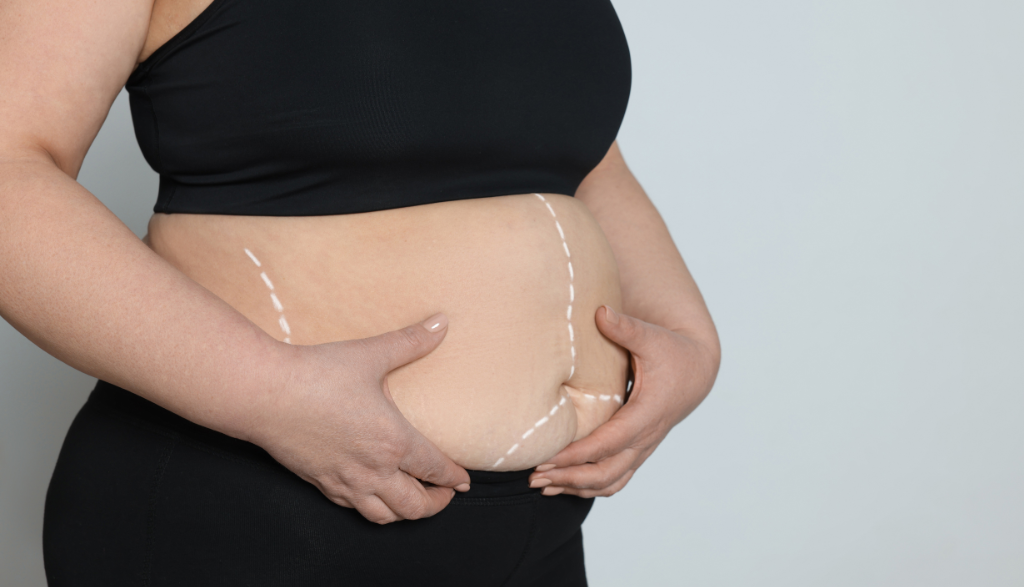

If you’re trying to lose a significant amount of weight, you’ve probably come across two major options: medication and surgery. The debate around Tirzepatide vs. Bariatric Surgery is growing every day, and for good reason. Both have strong results. But they work very differently, cost very differently, and suit very different people. This article breaks down the key differences so you can have a smarter conversation with your doctor.
What Is Tirzepatide?
Tirzepatide is a once-weekly injectable medication. It works by mimicking two natural gut hormones — GLP-1 and GIP. These hormones help your body:
- Feel full faster — so you eat less without trying hard
- Slow digestion — so food stays in your stomach longer
- Control blood sugar — which reduces fat storage
The FDA approved Tirzepatide under the brand name Zepbound for chronic weight management in adults with obesity. In clinical trials, patients lost an average of 15–21% of their body weight, making it the most effective weight loss medication available today.
“I had been told I needed surgery for years. My BMI was 36 and I had high blood pressure. I started Tirzepatide instead, and in nine months I lost 47 pounds without stepping into an operating room.” — Marcus R., Tirzepatide patient
What Is Bariatric Surgery?
Bariatric surgery physically changes your stomach — and sometimes your digestive tract — so you eat less and absorb fewer calories.
The two most common types are:
- Sleeve Gastrectomy — Removes about 85% of the stomach. Patients lose an average of 25% of body weight within a year.
- Gastric Bypass (Roux-en-Y) — Reduces stomach size AND reroutes part of the small intestine. Leads to roughly 30–33% total body weight loss.
Surgery also boosts your body’s natural GLP-1 levels, which is why it works similarly to Tirzepatide at a hormonal level, but in a more permanent way.
Head-to-Head: How Do the Results Compare?
Here’s an honest look at the numbers based on current clinical data:
| Factor | Tirzepatide | Bariatric Surgery |
| Average weight loss | 15–21% of body weight | 25–33% of body weight |
| Reversible? | Yes — stop anytime | Mostly permanent |
| Surgical risk? | None | Yes (perioperative mortality <0.3%) |
| Recovery time | None | 2–6 weeks |
| Long-term commitment | Ongoing weekly injection | Lifelong dietary changes |
| Weight regain if stopped | Likely — about half returns within a year | Possible but lower risk |
A landmark 2025 study from NYU Langone Health analyzing over 51,000 patients found that bariatric surgery patients lost an average of 58 pounds over two years. Patients on GLP-1 medications, including Tirzepatide, lost an average of 12 pounds over the same period in real-world conditions. However, patients who stayed consistent with Tirzepatide for a full year lost significantly more, closer to the clinical trial numbers.
A separate 2024 network meta-analysis found that Tirzepatide 15 mg produced similar weight loss results to laparoscopic sleeve gastrectomy, with a more favorable side effect profile. This means for the right patient, Tirzepatide can rival surgery without going under the knife.
The Risks: What You Need to Know
Tirzepatide Side Effects
Most side effects are mild and temporary:
- Nausea (most common, especially in early weeks)
- Diarrhea or constipation
- Decreased appetite
- Fatigue
- Injection site reactions
These typically improve as your body adjusts to the medication. Tirzepatide is not recommended for people with a personal or family history of medullary thyroid cancer or MEN2 syndrome.
For full prescribing safety information, see the FDA’s Zepbound label.
Bariatric Surgery Risks
Surgery carries more serious risks, including:
- Infection
- Blood clots
- Nutritional deficiencies (lifelong supplementation often required)
- Acid reflux (common after sleeve)
- Risk of reoperation in some cases
- Perioperative mortality, though very low at under 0.3%, with modern techniques
Surgery is also largely permanent. If you regret it, reversing it is difficult or impossible, depending on the procedure.
Cost Comparison
This is where the decision gets very real for most people.
Bariatric Surgery: The one-time cost typically ranges from $15,000 to $30,000 without insurance. Some insurance plans cover it, but approval is not guaranteed.
Tirzepatide: Monthly costs can vary. Without insurance, branded Zepbound can exceed $1,000 per month. However, telehealth programs have made access far more affordable.
TirzepatideRX offers three pricing options that make physician-supervised Tirzepatide treatment accessible from home:
- Monthly Plan — $399/month: Weekly injections, doctor monitoring, and cancel anytime.
- 3-Month Plan — $1,125 total: Full medication supply, quarterly check-ins, and priority support.
- 6-Month Plan — $2,199 total: Best value, with bi-monthly doctor visits, premium support, and personalized nutrition guidance.
All plans include home delivery and ongoing medical oversight — no hospital visits required.
One long-term cost analysis found bariatric surgery to be more cost-effective over a lifetime compared to ongoing GLP-1 medication costs. But for many people, the lower upfront commitment of medication is a better starting point — especially if surgery doesn’t feel like the right fit right now.
Who Should Choose Tirzepatide?
Tirzepatide may be the better choice if:
- Your BMI is between 27 and 35 (with a weight-related condition)
- You want to avoid surgery, anesthesia, or hospitalization
- You prefer a reversible, low-commitment option to start
- You have not yet tried a medically supervised weight loss program
- You want to lose weight at home without disrupting your daily life
- You are not medically cleared for surgery
You can start your evaluation today and find out if Tirzepatide is right for you in just a few minutes.
Who Should Consider Bariatric Surgery?
Surgery may make more sense if:
- Your BMI is 40 or higher
- Your BMI is 35+ with serious health conditions (type 2 diabetes, heart disease, sleep apnea)
- You have tried medications and haven’t had enough success
- You want a one-time procedure rather than long-term medication
- You are medically cleared and psychologically prepared for surgery
According to the National Institute of Diabetes and Digestive and Kidney Diseases (NIDDK), surgery is generally recommended for patients with severe obesity who have not responded to other treatments.
Can You Use Both?
Yes — and many patients do. Some use Tirzepatide before surgery to reduce liver size and lower surgical risk. Others use it after surgery to prevent weight regain years later. Research is growing on using the two together for even better long-term outcomes. This is an area your doctor can guide you on based on your specific situation.
Tirzepatide vs. Bariatric Surgery — The Bottom Line
There is no single right answer. The best option depends on your BMI, health history, lifestyle, and personal comfort level with risk.
- If you want a non-surgical, flexible, medically supervised solution, Tirzepatide is a highly effective and modern option.
- If you need maximum weight loss and have severe obesity, bariatric surgery may deliver more dramatic results.
For many people, Tirzepatide is the smarter first step — and thanks to telehealth programs, it’s more accessible than ever. Browse the TirzepatideRX blog for more expert guidance on your weight loss journey.
Frequently Asked Questions (FAQ)
Is Tirzepatide as effective as bariatric surgery?
Tirzepatide 15 mg has shown comparable weight loss to sleeve gastrectomy in some clinical analyses, though surgery generally produces greater results over two years.
What is the main difference between Tirzepatide and bariatric surgery?
Tirzepatide is a reversible weekly injection; bariatric surgery is a permanent procedure that physically alters the stomach.
Who qualifies for Tirzepatide vs. bariatric surgery?
Tirzepatide is approved for adults with a BMI of 30+, or 27+ with a weight-related condition; surgery is typically recommended for a BMI of 35+ or 40+ without comorbidities.
Will I regain weight if I stop Tirzepatide?
Studies show that about half the lost weight can return within a year of stopping, so ongoing use or lifestyle changes are important.
Is Tirzepatide safer than bariatric surgery?
Tirzepatide carries no surgical risks and has a favorable side effect profile; surgery carries perioperative risks but is considered very safe with modern techniques.
Can Tirzepatide be used after bariatric surgery?
Yes — Tirzepatide is sometimes used after surgery to help maintain weight loss or address weight regain.
How much does Tirzepatide cost compared to bariatric surgery?
Bariatric surgery typically costs $15,000–$30,000 upfront; physician-supervised Tirzepatide programs can start at $399/month through providers like TirzepatideRX.
Sources
- U.S. FDA — Zepbound (Tirzepatide) Prescribing Information: https://www.accessdata.fda.gov/drugsatfda_docs/label/2023/217806s000lbl.pdf
- NIH — SURMOUNT-1 Clinical Trial (NEJM): https://www.nejm.org/doi/full/10.1056/NEJMoa2206038
- National Institute of Diabetes and Digestive and Kidney Diseases (NIDDK) — Bariatric Surgery Overview: https://www.niddk.nih.gov/health-information/weight-management/bariatric-surgery/definition-facts
- PubMed — Tirzepatide vs. Bariatric Metabolic Surgery in Adults with Obesity: https://pubmed.ncbi.nlm.nih.gov/40668509/
- Harvard Health — GLP-1 Drugs vs. Bariatric Surgery: https://www.health.harvard.edu/staying-healthy/glp-1-drugs-versus-bariatric-surgery-for-treating-obesity
- MedlinePlus (NIH) — Tirzepatide Injection: https://medlineplus.gov/druginfo/meds/a622044.html