
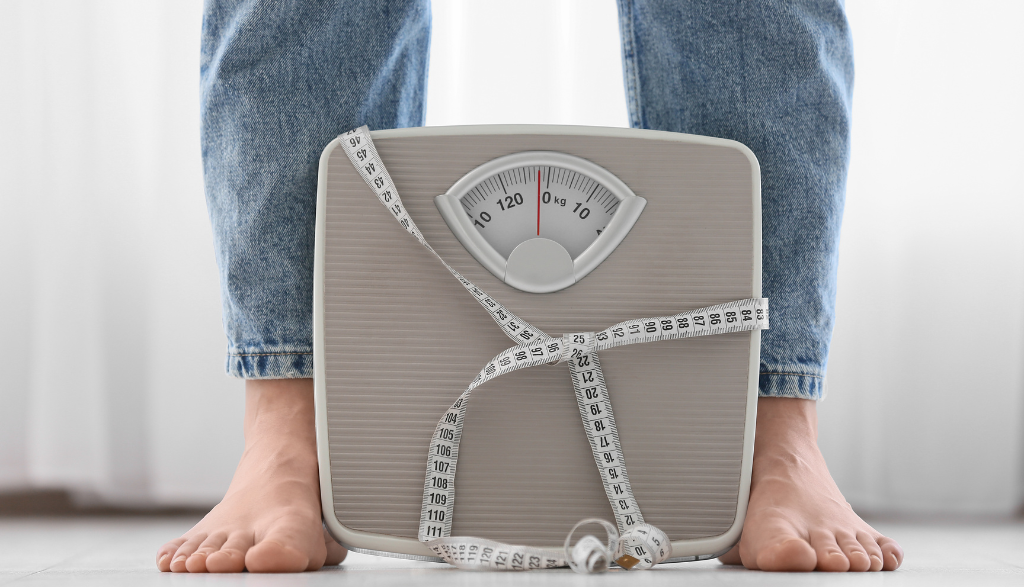

If you’ve been researching tirzepatide, you’ve probably seen some pretty bold claims online. Some say you’ll drop 50 pounds in a few months. Others promise jaw-dropping transformations. The truth? Realistic weight loss expectations on Tirzepatide are still incredibly encouraging but they look a little different than social media would have you believe.
This article breaks it all down. No hype. Just facts backed by clinical research.
What Is Tirzepatide and How Does It Work?
Tirzepatide is an FDA-approved, once-weekly injectable medication. It works by mimicking two natural hormones in your body — GLP-1 and GIP.
These hormones do three important things:
- They signal your brain that you’re full
- They slow down digestion so you feel satisfied longer
- They help regulate blood sugar
Because tirzepatide targets two hormone receptors (not just one like older medications), it tends to produce stronger weight loss results than many alternatives.
It’s sold under the brand names Mounjaro (for type 2 diabetes) and Zepbound (for chronic weight management). The FDA approved Zepbound for weight loss in November 2023.
What the Clinical Trials Actually Show
Let’s talk real numbers from real studies.
The landmark SURMOUNT-1 trial studied over 2,500 adults with obesity over 72 weeks. Here’s what participants lost on average:
| Dose | Average Weight Loss |
|---|---|
| 5 mg | 15% of body weight (~34 lbs) |
| 10 mg | 19.5% of body weight (~44 lbs) |
| 15 mg | 20.9% of body weight (~48 lbs) |
To put that in perspective: a person starting at 230 pounds on the highest dose could expect to lose roughly 48 pounds over 72 weeks.
Even more impressive — nearly 89–91% of participants on the 10mg and 15mg doses lost at least 5% of their body weight, a benchmark considered “clinically meaningful” for metabolic health improvement.
A separate head-to-head trial (SURMOUNT-5) compared tirzepatide directly against semaglutide (Wegovy). Tirzepatide users lost an average of 20.2% of their body weight versus 13.7% for semaglutide about 47% more weight reduction.
Source: NEJM SURMOUNT-1 Trial | Eli Lilly SURMOUNT-5 Data
A Realistic Week-by-Week Timeline
Here’s what most people actually experience:
- Weeks 1–4 (Starting Dose: 2.5mg) You’ll likely notice reduced hunger and fewer cravings. Some mild nausea is common as your body adjusts. Weight loss at this stage is usually 2–5 pounds.
- Months 1–3 (Dose increases to 5–7.5mg) More noticeable changes begin. Clinical data suggests about 4–7% body weight reduction in the first 12 weeks. For someone at 200 lbs, that’s roughly 8–14 pounds.
- Months 3–6 (Higher therapeutic doses) This is where results become most visible. Steady losses of 1–3 pounds per week are common. Many people cross the 10–15% weight loss mark during this phase.
- Months 6–12 and beyond The medication continues to compound results over time. Most maximum results occur between 12 and 18 months of consistent use.
- Important note: Tirzepatide is a sustained, long-term tool — not a rapid-results drug. Patience and consistency make all the difference.
Real Patient Story: What Changed After 6 Months
James, 58, had struggled with his weight for over a decade despite calorie counting, exercise, and quitting alcohol. After starting tirzepatide under physician supervision, he lost 40 pounds in his first few months — a result he described as unlike anything he’d tried before.
His doctor’s note: “James combined tirzepatide with a high-protein diet and moderate activity. The medication helped control his appetite in a way that diet alone never could.”
Stories like James’s are common, but they also share one theme: results come from the medication working with your lifestyle, not instead of it.
What Affects How Much Weight You Lose
- Starting weight. People with more weight to lose often see larger total losses early on.
- Dosage. Higher doses generally produce better results, but your doctor will titrate slowly to avoid side effects.
- Diet and exercise. Combining tirzepatide with a protein-rich diet and regular movement significantly boosts results. One study showed people who added diet and exercise lost an additional 21.1% beyond the lifestyle intervention alone.
- Hormones and metabolism. Thyroid health, insulin resistance, cortisol levels, and menopause can all affect how your body responds.
- Consistency. Skipping doses or stopping early dramatically reduces results.
What Tirzepatide Is NOT
Let’s clear up some common myths:
- It’s not a magic pill (or injection). You still need to eat well and move your body.
- It won’t work overnight. Most meaningful results build over 3–6+ months.
- It won’t preserve all lean muscle on its own. Prioritize protein (aim for 25–35% of calories from protein) and strength training to protect muscle mass.
- Results won’t last if you stop and revert to old habits. Sustainable change requires sustainable habits.
How to Start Tirzepatide the Right Way
The safest and most effective way to use tirzepatide is through a medically supervised program.
TirzepatideRX offers a fully physician-supervised telehealth weight-loss program from the comfort of home. Here’s how it works:
- Online consultation with a licensed physician
- Personalized treatment plan tailored to your goals
- Once-weekly tirzepatide injections delivered to your door
- Ongoing medical support to monitor your progress
Transparent Pricing at TirzepatideRX
| Plan | Price | What’s Included |
|---|---|---|
| Monthly | $399/month | Weekly injections, monitoring, cancel anytime |
| 3-Month | $1,125 total | Full medication supply, quarterly assessments, priority support |
| 6-Month | $2,199 total | Maximum savings, bi-monthly check-ins, premium support, nutritional guidance |
No hidden fees. No long-term commitments required on the monthly plan.
Ready to get started? Begin your weight loss journey here.
Secondary Benefits Beyond the Scale
- Blood sugar control — significant reductions in HbA1c levels
- Blood pressure and cholesterol — improvements in cardiometabolic risk factors
- Sleep apnea — FDA-approved tirzepatide in December 2024 for moderate-to-severe obstructive sleep apnea in adults with obesity, with some patients seeing 25+ fewer breathing disruptions per hour
- Energy and daily function — many patients report feeling more active and less fatigued
Common Side Effects to Know About
Tirzepatide is generally well-tolerated, but side effects do occur — most commonly during dose increases.
The most frequent include:
- Nausea
- Diarrhea or constipation
- Mild stomach discomfort
- Fatigue
These effects usually decrease over time as your body adjusts. Always discuss your symptoms with your provider.
Tirzepatide is not recommended for people with a personal or family history of medullary thyroid carcinoma (MTC) or Multiple Endocrine Neoplasia syndrome type 2 (MEN 2).
Setting the Right Expectations
Here’s the bottom line on realistic weight loss expectations on Tirzepatide:
- Most people lose 15–22% of their body weight over 12–18 months
- Early results start within weeks, but the big changes come with time
- Results are much better when combined with diet, protein intake, and movement
- Medical supervision makes the process safer and more effective
This isn’t a shortcut. It’s a powerful, evidence-based tool that — when used correctly — can deliver results that match or even exceed bariatric surgery outcomes in some cases.
Want to explore your options and see if tirzepatide is right for you? Browse our blog for more guides or start your program today.
Frequently Asked Questions
How fast do you lose weight on tirzepatide?
Most people begin noticing reduced appetite within the first week, with visible weight loss building steadily over 3–6 months.
How much weight can you realistically lose on tirzepatide?
Clinical trials show an average of 15–21% body weight reduction over 72 weeks, depending on the dose.
Does tirzepatide work without diet and exercise?
It does produce weight loss on its own, but combining it with healthy eating and activity significantly improves results.
What is the starting dose of tirzepatide?
Treatment begins at 2.5 mg weekly, gradually increasing up to a maximum of 15 mg based on tolerance and goals.
Is tirzepatide the same as Ozempic?
No, tirzepatide targets two hormone receptors (GLP-1 and GIP), while Ozempic (semaglutide) targets only GLP-1, making tirzepatide generally more effective for weight loss.
What happens if I stop taking tirzepatide?
Weight regain is common if you stop without maintaining lifestyle changes; it’s important to have an exit strategy with your doctor.
Sources
- SURMOUNT-1 Clinical Trial — New England Journal of Medicine: https://www.nejm.org/doi/full/10.1056/NEJMoa2206038
- FDA Approval of Zepbound for Chronic Weight Management: https://www.fda.gov/news-events/press-announcements/fda-approves-new-medication-chronic-weight-management
- FDA Approval of Zepbound for Sleep Apnea — Eli Lilly: https://investor.lilly.com/news-releases/news-release-details/fda-approves-zepboundr-tirzepatide-first-and-only-prescription
- SURMOUNT-3 Trial Results — Eli Lilly Press Release: https://investor.lilly.com/news-releases/news-release-details/lillys-tirzepatide-shows-additional-211-weight-loss-after-12
- Tirzepatide — StatPearls (NCBI/NIH): https://www.ncbi.nlm.nih.gov/books/NBK585056/
- Post Hoc Analysis SURMOUNT-1 — PMC: https://pmc.ncbi.nlm.nih.gov/articles/PMC12326891/
- Zepbound Full Prescribing Information — FDA: https://www.accessdata.fda.gov/drugsatfda_docs/label/2024/217806s003lbl.pdf