
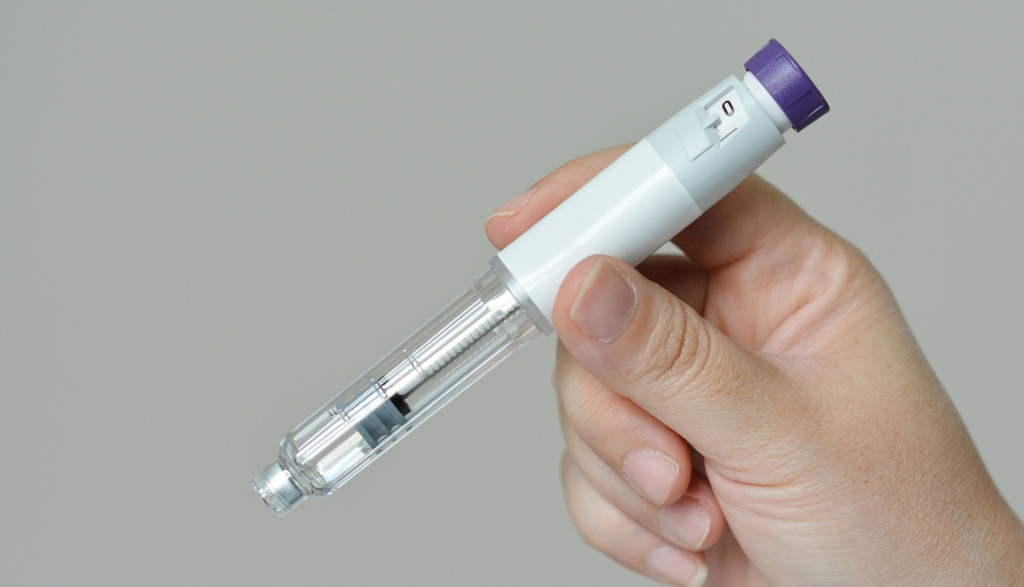

Most weight loss medications work through a single hormone pathway. Tirzepatide does not. Understanding why Tirzepatide works differently from others starts with two key hormones: GLP-1 and GIP. These are natural hormones your gut releases after eating. Together, they control hunger, blood sugar, and how your body stores fat. Tirzepatide is the first medication to target both at the same time, and that changes everything.
What Is GLP-1 and How Does It Work?
GLP-1 stands for glucagon-like peptide-1. Your gut releases it after you eat a meal.
Here is what GLP-1 does in your body:
- Tells your brain you are full
- Slows down how fast food leaves your stomach
- Helps your pancreas release insulin when blood sugar rises
- Reduces the liver’s release of sugar into the bloodstream
Medications like semaglutide (sold as Ozempic and Wegovy) mimic GLP-1. They activate only the GLP-1 receptor. For many people, this single pathway delivers strong results. But for others, especially those with significant insulin resistance or metabolic challenges, one pathway is not always enough.
What Is GIP and Why Does It Matter?
GIP stands for glucose-dependent insulinotropic polypeptide. Like GLP-1, it is also released by the gut after eating. But it works through a different set of receptors and adds something GLP-1 alone cannot provide.
GIP activation helps with:
- Improved insulin release based on blood sugar levels
- Better fat metabolism — your body becomes more efficient at using stored fat
- Increased energy expenditure — your body burns more energy overall
- Enhanced sensitivity to leptin — the hormone that signals long-term fullness
GIP receptors are found in the brain, gut, pancreas, fat tissue, and bone. This wide reach is exactly why activating them alongside GLP-1 creates a broader metabolic effect.
The Key Difference: One Hormone vs. Two
Here is a simple side-by-side comparison:
| Feature | GLP-1 Only (e.g., Semaglutide) | GLP-1 + GIP (Tirzepatide) |
|---|---|---|
| Appetite suppression | ✓ | ✓ (stronger) |
| Blood sugar control | ✓ | ✓ (superior) |
| Fat metabolism | Limited | Enhanced |
| Energy expenditure | Minimal | Increased |
| Leptin sensitivity | No | Yes |
Think of it this way. GLP-1-only medications turn down the volume on hunger. Tirzepatide turns down hunger and turns up your body’s ability to burn stored fat. That is a fundamentally different result.
What the Clinical Trials Show
The numbers here are hard to ignore.
In the SURPASS-2 trial — a head-to-head study comparing tirzepatide and semaglutide in over 1,800 people with type 2 diabetes — tirzepatide produced significantly better outcomes:
- Patients on the highest dose of tirzepatide lost up to 21% of body weight
- Patients on the highest dose of semaglutide lost about 15% of their body weight
- Tirzepatide reduced HbA1c (a marker of blood sugar control) by up to 2.6% vs. semaglutide’s 1.9%
In real-world data, tirzepatide produced approximately 9 additional pounds of weight loss compared to semaglutide at 12 months. That gap continued to grow over time.
This is not a minor difference. It reflects the real-world impact of activating two metabolic pathways instead of one.
Why Tirzepatide Has a Stronger Affinity for GIP
Here is something interesting. Tirzepatide is designed to favor GIP receptors. Its binding affinity for GIP receptors is five times stronger than its affinity for GLP-1 receptors.
This is intentional. Research published in the Journal of Clinical Investigation found that tirzepatide is an “imbalanced” dual agonist — meaning it hits GIP harder than GLP-1. Yet despite this, it still matches or beats the blood sugar control of GLP-1-only medications.
Why? Because GIP activation enhances the overall effect of GLP-1 signaling. The two hormones work synergistically, each making the other more powerful.
A Real-World Example: James’s Story
James, a 47-year-old with type 2 diabetes and a BMI of 36, had been taking a GLP-1 medication for eight months. He lost some weight initially, but stalled at around 12 pounds. His blood sugar was still not fully controlled.
After switching to tirzepatide under his doctor’s guidance, James lost an additional 28 pounds over the next six months. His HbA1c dropped from 8.1% to 6.7% — within the healthy range. James described noticing a change not just in hunger, but in how his body felt between meals.
“It was like a switch flipped,” he said. “I stopped thinking about food all the time.”
His result reflects what the data consistently shows: the dual mechanism of tirzepatide can reach people who do not fully respond to GLP-1-only therapy.
How Tirzepatide Affects the Brain
Both GLP-1 and GIP receptors exist in key areas of the brain involved in hunger, reward, and cravings. When both are activated simultaneously, the appetite signal gets reduced from multiple angles.
- GLP-1 targets the hypothalamus — the brain’s hunger control center
- GIP targets different brain regions that manage food reward and energy balance
This is why Tirzepatide works differently from others when it comes to cravings. People on tirzepatide often report reduced interest in high-calorie foods, not just smaller portions.
Side Effects: How Do They Compare?
Both tirzepatide and GLP-1-only medications share similar gastrointestinal side effects. These include:
- Nausea
- Vomiting
- Diarrhea
- Constipation
These are most common in the first few weeks and tend to fade as the body adjusts. Studies suggest tirzepatide may actually be slightly better tolerated than some GLP-1-only options at higher doses, with fewer people stopping treatment early because of side effects.
Your doctor will always start you at a low dose and increase it gradually to reduce discomfort.
Who Benefits Most From the Dual Mechanism?
Tirzepatide’s dual action may be especially helpful for:
- People with significant insulin resistance
- People who plateaued on GLP-1-only medications despite optimal dosing
- People with type 2 diabetes who need stronger HbA1c reduction
- People with obesity who have not responded well to single-pathway treatments
That said, a licensed physician must always make the final call. Your metabolic history, medication tolerance, and health goals all influence which treatment is right for you.
Getting Started With Tirzepatide
If you are considering tirzepatide, you do not need to make an in-person visit to get started. TirzepatideRX is a physician-supervised telehealth program that provides once-weekly tirzepatide injections with full medical support, all from home.
The program includes an online consultation, a personalized treatment plan, home delivery of your medication, and ongoing check-ins with a licensed provider. There are three plan options designed to fit different needs and budgets:
- Monthly Plan — $399/month: Includes weekly injections, medical monitoring, and the freedom to cancel at any time.
- 3-Month Plan — $1,125 total: Comes with a full medication supply, quarterly health assessments, and priority support.
- 6-Month Plan — $2,199 total: The best value option, with bi-monthly check-ins, premium support, and personalized nutritional guidance.
All plans are structured to support safe, steady, and sustainable weight loss. Ready to take the first step? Start your program here.
Frequently Asked Questions (FAQ)
What is the difference between GLP-1 and GIP?
GLP-1 reduces hunger and blood sugar after meals, while GIP improves fat metabolism, energy use, and insulin release through separate receptor pathways.
Why does tirzepatide cause more weight loss than semaglutide?
Tirzepatide activates both GLP-1 and GIP receptors, creating a stronger combined effect on appetite, fat burning, and blood sugar control.
Is tirzepatide safe compared to GLP-1-only medications?
Clinical trials show tirzepatide has a similar or slightly better tolerability profile than some GLP-1-only options, though individual responses vary.
Can I switch from a GLP-1 medication to tirzepatide?
Yes, but this must be done under medical supervision since dosing needs to be carefully adjusted during the transition.
How long does it take for tirzepatide’s dual mechanism to show results?
Most people begin noticing changes in appetite within the first few weeks, with significant weight loss results typically visible within 3 to 6 months.
Why Tirzepatide works differently than others comes down to what exactly?
It is the only approved medication that simultaneously targets both GIP and GLP-1 receptors, producing broader metabolic benefits than single-pathway treatments.
For more guides on tirzepatide, weight loss science, and healthy living, visit the TirzepatideRX blog.
Sources
- FDA Prescribing Information — Mounjaro (tirzepatide): https://www.accessdata.fda.gov/drugsatfda_docs/label/2022/215866s000lbl.pdf
- FDA Prescribing Information — Zepbound (tirzepatide): https://www.accessdata.fda.gov/drugsatfda_docs/label/2024/217806s003lbl.pdf
- MedlinePlus — Tirzepatide Injection (National Library of Medicine): https://medlineplus.gov/druginfo/meds/a622044.html
- NCBI StatPearls — Tirzepatide (National Institutes of Health): https://www.ncbi.nlm.nih.gov/books/NBK585056/
- JCI Insight — Tirzepatide is an imbalanced and biased dual GIP and GLP-1 receptor agonist: https://insight.jci.org/articles/view/140532
- PMC — Comparative Safety of GLP-1/GIP Co-Agonists Versus GLP-1 Receptor Agonists (Systematic Review): https://pmc.ncbi.nlm.nih.gov/articles/PMC12357579/
- ClinicalTrials.gov — SURPASS-2 Trial (Tirzepatide vs. Semaglutide): https://clinicaltrials.gov/study/NCT03987919